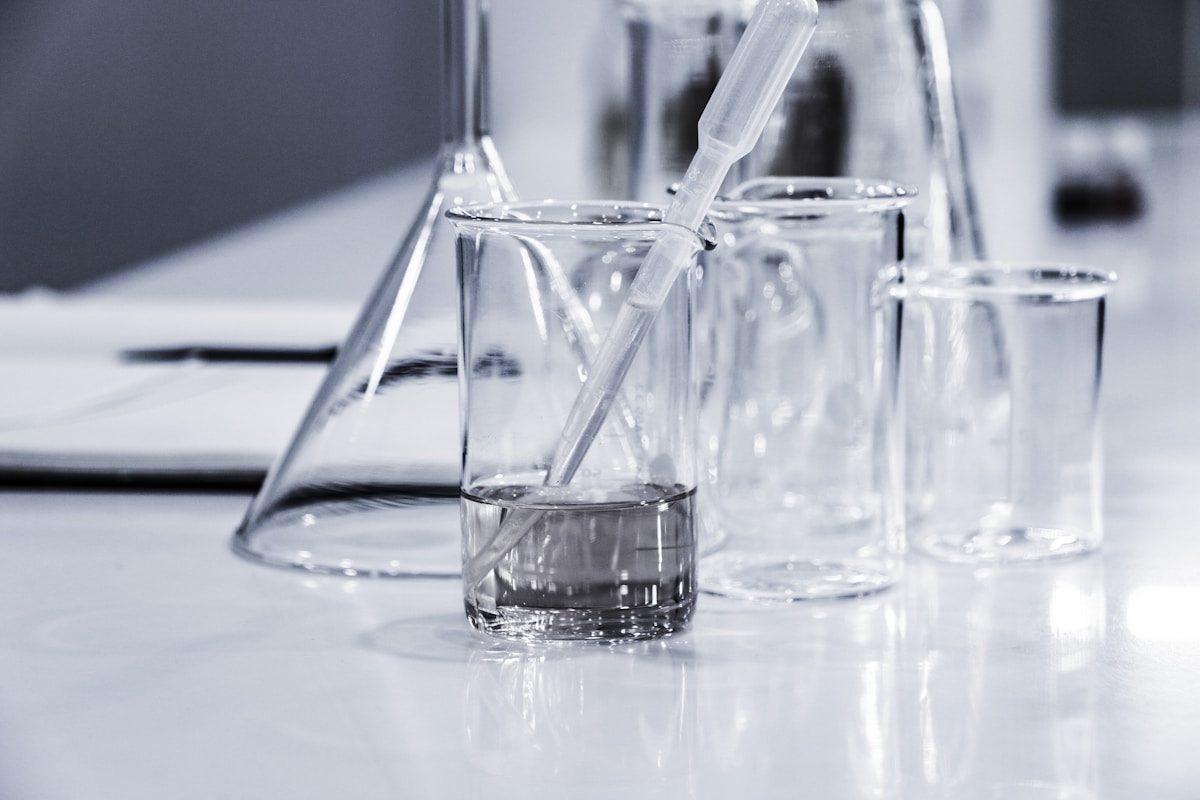
Researchers at the Weizmann Institute of Science have successfully engineered a tobacco plant capable of producing psilocybin, DMT, and other psychedelic compounds all at once. This is legitimately impressive bioengineering - turning plants into pharmaceutical factories. But the technology is interesting; the question is whether regulators, researchers, and society are ready for what comes next.
Here's what they accomplished: The modified tobacco plant (Nicotiana benthamiana) synthesizes five psychedelic compounds including psilocin and psilocybin (from mushrooms), DMT (the active component in ayahuasca), and bufotenin and 5-methoxy-DMT (found in Sonoran Desert toad secretions). That's a remarkable feat of genetic engineering.
The technical approach is elegant. Researchers Paula Berman and Asaph Aharoni reconstructed the biosynthetic pathways for these tryptamines and inserted the active genes into tobacco plant leaves. Critically, the modification is non-heritable - genes cannot pass to future generations and remain contained within leaves only. That's a safety feature that prevents these plants from spreading uncontrollably.
The potential applications are significant. Sustainable, scalable production could meet global demand for psychedelic-assisted therapy without putting pressure on wild populations - particularly the endangered Sonoran Desert toads that produce 5-MeO-DMT. Medical treatments for depression, anxiety, mood disorders, and PTSD increasingly rely on these compounds. Plant-based production could make them more accessible.
But the researchers are appropriately cautious. They emphasized these plants must remain "limited to medical use in clinical settings" and be inaccessible for recreational use. The concern about "everybody can grab seeds" to grow plants containing potentially dangerous compound combinations is legitimate.
This is synthetic biology at its most powerful and most concerning. The same technology that enables sustainable pharmaceutical production also enables DIY psychedelic manufacturing. You can engineer safety mechanisms like non-heritable genes, but you can't engineer away human behavior. If these plants exist, someone will try to grow them outside clinical settings.
The regulatory questions are complex. Psilocybin and DMT are Schedule I controlled substances in most jurisdictions. Engineered plants producing these compounds exist in a legal gray area that current drug laws weren't designed to handle. Are the plants themselves controlled substances? What about possession versus cultivation? What about research versus production?