
Leading scientists are demanding that air pollution reduction become a central component of government cancer prevention strategies, arguing that environmental policy failures contribute directly to preventable cancer deaths across populations.
The call for action, reported by The Guardian, emphasizes mounting evidence linking air quality to cancer incidence—particularly lung cancer, but increasingly other forms including bladder, breast, and childhood leukemias. Researchers argue that treating cancer without addressing its environmental causes represents a failure of public health policy.
Air pollution kills an estimated 7 million people annually worldwide, according to the World Health Organization, with cancer representing a significant portion of that mortality. Fine particulate matter (PM2.5) penetrates deep into lungs and enters the bloodstream, triggering inflammation and DNA damage that initiates carcinogenesis. The International Agency for Research on Cancer classifies outdoor air pollution as a Group 1 carcinogen—the same category as tobacco smoke and asbestos.
In climate policy, as across environmental challenges, urgency must meet solutions—science demands action, but despair achieves nothing. Air pollution represents a solvable problem where policy interventions have demonstrated clear health benefits, yet political resistance to emissions controls continues allowing preventable disease.
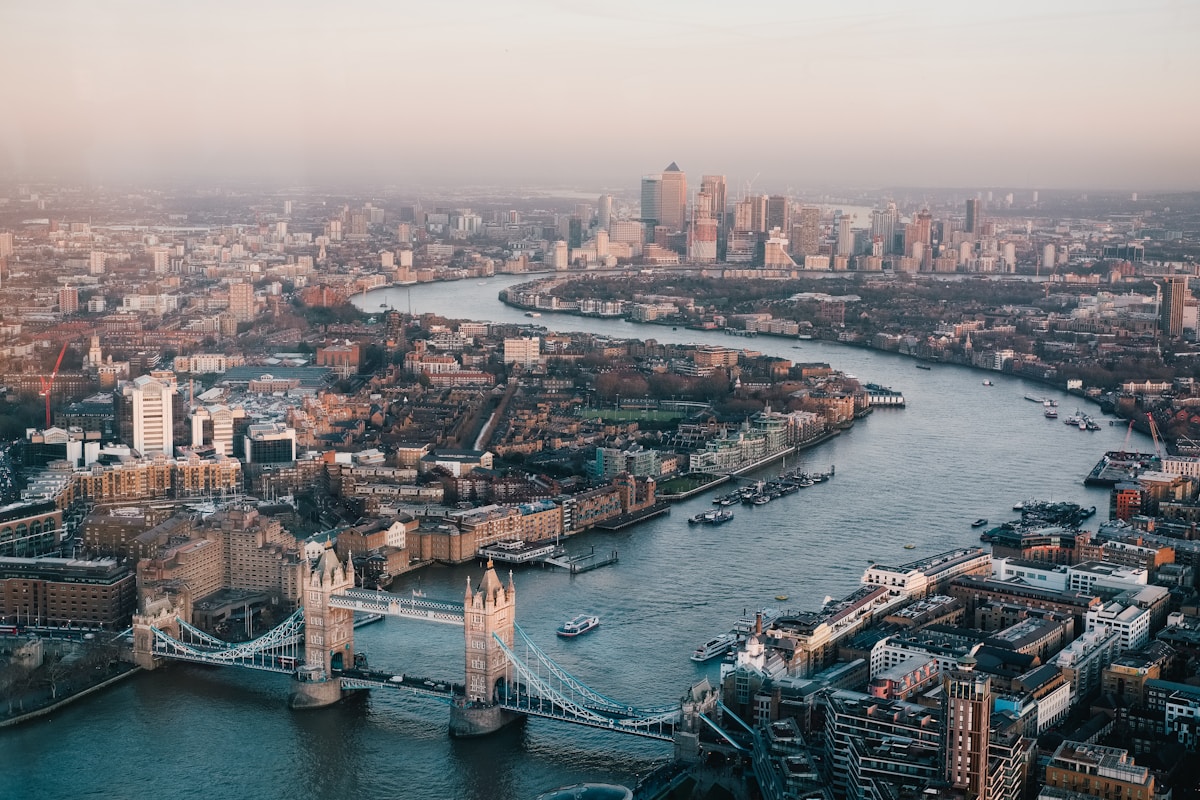
The United Kingdom, where scientists issued their call for action, has struggled to meet air quality standards despite European Union regulations (which remain in force despite Brexit). London and other major cities regularly exceed WHO guidelines for PM2.5 and nitrogen dioxide, exposing millions to carcinogenic air quality. Similar patterns afflict cities across Europe, North America, and particularly Asia, where rapid industrialization has created severe air quality crises.
Transport emissions represent the primary urban air pollution source in developed nations, particularly diesel vehicles that produce nitrogen oxides and particulate matter. Industrial facilities, power generation, agriculture, and residential heating contribute additional pollution. The mix varies by region, but solutions remain consistent: transition to clean energy, electrify transport, regulate industrial emissions, and enforce air quality standards.