A secondary school in Greater Manchester deployed artificial intelligence to purge 200 books from its library shelves, including George Orwell's 1984, the Twilight series, and Michelle Obama's autobiography. The irony of using AI to ban a novel about totalitarian control and censorship has sparked outrage among librarians and free speech advocates.
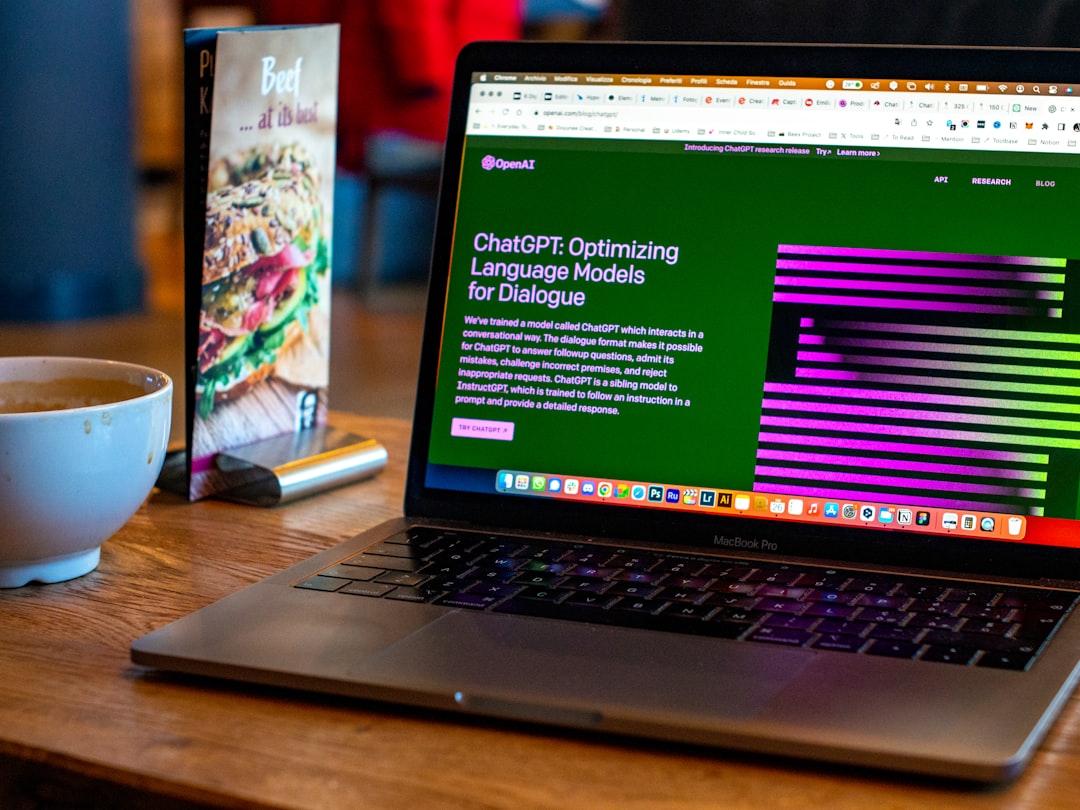
According to the school's librarian, who has since resigned, leadership consulted an AI chatbot to evaluate which books didn't meet their standards. She was directed to remove materials deemed "not written for children," containing "themes that could be upsetting," or posing "safeguarding risks." Also flagged: Nicholas Sparks' The Notebook and Laura Bates' Men Who Hate Women.
When the librarian questioned the removals, she faced a safeguarding investigation. The library was temporarily closed, and she was accused of introducing inappropriate materials. The stress led her to resign. The complaint against her was upheld, citing her "failing to follow safeguarding procedures."
The School Libraries Group called the situation "over the top," noting it has effectively ended the librarian's school career. But the real story here isn't about one librarian—it's about schools automating judgment calls that require human context and discretion.
What criteria did the AI use? Who reviewed its recommendations before 200 books were removed? These are questions that should have been asked before the algorithm made decisions about what students can read. The technology is impressive. The question is whether anyone should be using it for content moderation without serious human oversight.
As one commenter noted in response to the news: "We're literally living in the world Orwell warned us about, and we're using computers to get there faster."