
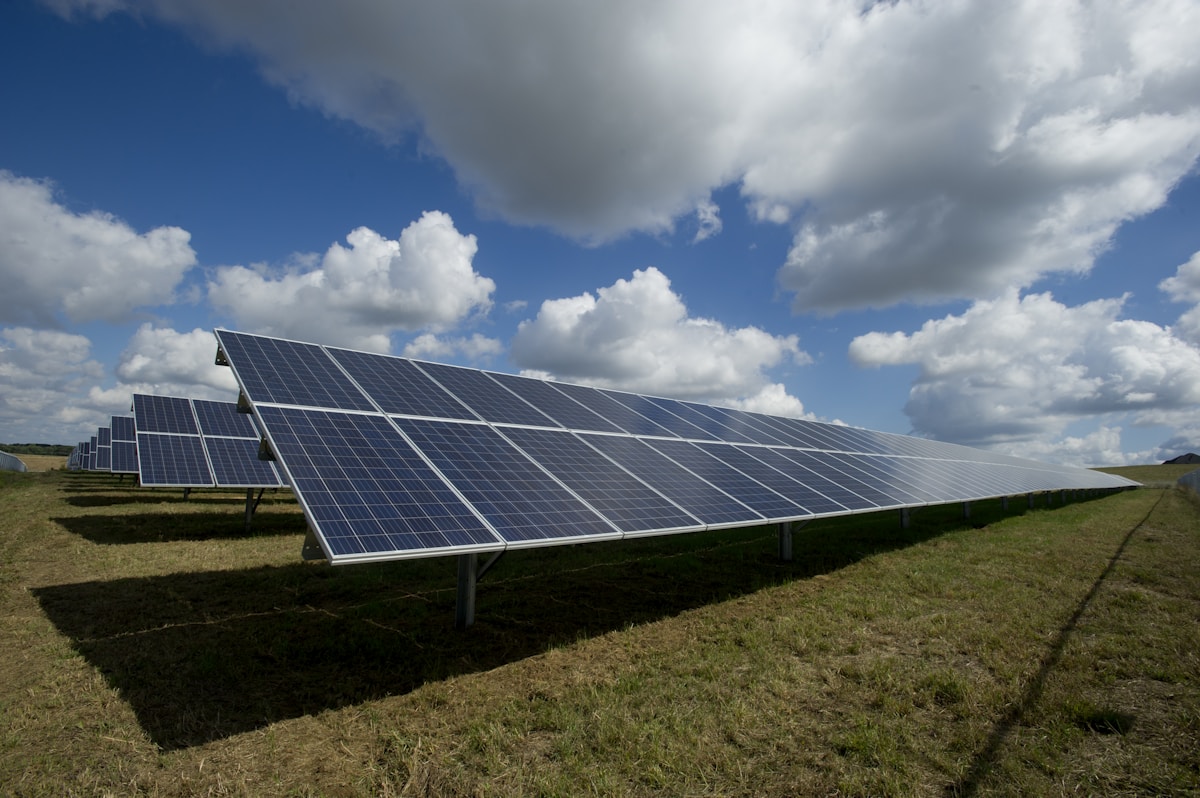
Saudi Arabia and Turkey have signed a $2 billion solar power agreement, marking one of the largest renewable energy partnerships between the two nations and signaling a fundamental shift in regional energy diplomacy.
The deal, announced this week, will deepen renewable energy cooperation and strengthen strategic ties between Riyadh and Ankara, representing a significant milestone in both countries' efforts to diversify their energy portfolios and economies.
For Saudi Arabia, the agreement reflects the Kingdom's accelerating commitment to Vision 2030, the ambitious reform program aimed at reducing dependence on oil revenues. Rather than remaining solely a hydrocarbon exporter, the Kingdom is positioning itself as a future renewable energy superpower, leveraging its abundant sunshine and capital reserves to build massive solar infrastructure.
Energy Diplomacy Redefined
The Saudi-Turkish solar partnership represents more than a commercial transaction. It signals that renewable energy is becoming a new foundation for strategic alliances—potentially replacing the role that oil and gas have played in shaping geopolitical relationships for the past century.
"In the Kingdom, as across transforming societies, ambitious modernization requires navigating tradition, geopolitics, and economic reality," regional analysts note. The $2 billion commitment demonstrates that Saudi Arabia is backing its renewable energy ambitions with substantial capital, not merely rhetoric.
For Turkey, the deal strengthens energy security while attracting long-term Saudi investment. The partnership allows Ankara to diversify its energy sources and reduce reliance on natural gas imports, while deepening economic ties with one of the region's wealthiest nations.
Vision 2030 Gains Momentum
The solar agreement comes as Saudi Arabia accelerates implementation of Vision 2030 projects across multiple sectors. The Kingdom has already launched major renewable initiatives including the NEOM megacity development, Red Sea resort projects, and entertainment sector liberalization.
Solar energy plays a central role in these diversification efforts. The Kingdom aims to generate 50% of its electricity from renewable sources by 2030, requiring massive investments in solar and wind infrastructure. International partnerships like the Turkish deal provide both capital efficiency and technology transfer opportunities.
The timing is significant. As global energy markets remain volatile and climate commitments intensify, oil-dependent economies face mounting pressure to demonstrate credible transition strategies. Saudi Arabia's willingness to invest billions in solar infrastructure—while maintaining its position as a leading OPEC producer—illustrates the complex balancing act facing Gulf states.
Regional Implications
The Saudi-Turkish solar partnership may reshape energy corridors across the Middle East, North Africa, and Eurasia. Large-scale renewable projects create opportunities for cross-border electricity grids and regional power integration, potentially transforming geopolitical relationships.
Other Gulf states are watching closely. The United Arab Emirates, Qatar, and Kuwait have all announced renewable energy targets, but Saudi Arabia's combination of financial scale and geographic positioning gives it unique advantages in becoming a solar export hub.
The broader question facing the region: will renewable energy partnerships become as strategically important as oil alliances have been? The Saudi-Turkish deal suggests the answer may be yes. As capital flows into solar at multi-billion-dollar scales, the countries positioned to become renewable superpowers may find themselves wielding new forms of geopolitical influence.
For now, the $2 billion agreement represents a tangible step toward the post-petroleum Middle East that Vision 2030 envisions—one where strategic power is redefined not by barrels of oil, but by gigawatts of clean energy.