Desert Warrior, Saudi Arabia's audacious $150 million answer to Lawrence of Arabia, just became one of the most spectacular box office disasters in modern film history. The historical action epic starring Anthony Mackie and Ben Kingsley opened on 1,010 screens this weekend and earned a catastrophic $472,000—barely cracking $467 per theater.
To put that in perspective: you could have screened the film in a single Los Angeles multiplex and probably done better.
Directed by Rupert Wyatt (Rise of the Planet of the Apes), Desert Warrior was supposed to be a groundbreaking project—the first Hollywood-style tentpole shot entirely on location in Saudi Arabia under Crown Prince Mohammed bin Salman's Vision 2030 initiative, which aims to diversify the kingdom's economy beyond oil through tourism and entertainment. The film would inaugurate Neom Media, a state-of-the-art studio complex attached to the futuristic Neom City bordering the Red Sea.
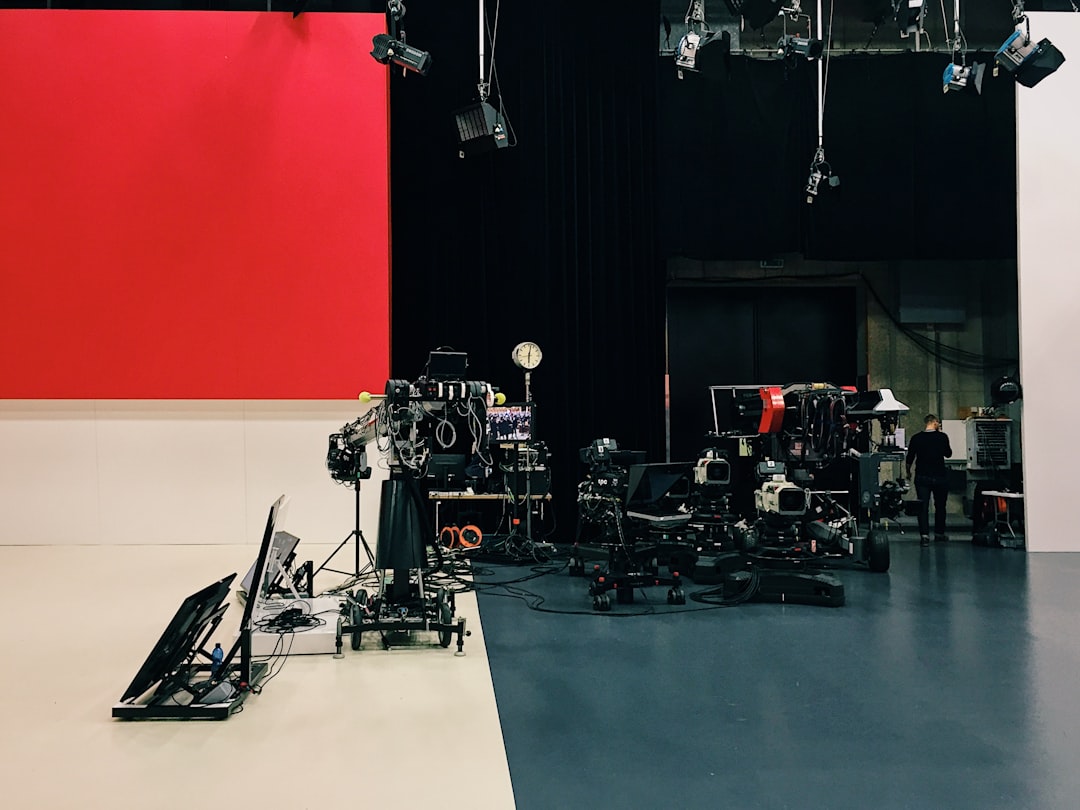
But when cameras rolled in September 2021, the infrastructure simply wasn't there. With Neom's promised 130,000 square feet of production space still under construction, the crew improvised wildly. To house Sir Ben Kingsley's throne room—complete with gladiator battles, torture scenes, and rampaging elephants—they built a massive inflatable soundstage in a hotel parking lot, cooled by giant fans against the pulverizing desert heat.
"It was like an inflatable stadium," one production staffer told Vulture. "There were no studios. There were studios after us because of the film."
The production faced an array of challenges: missing infrastructure, well-intentioned but inexperienced Saudi support staff, regional conflicts, and creative differences that delayed the final cut and imperiled international distribution. Words like "flop" and "forgotten" became attached to the project years before its release.
Four years and seven months after principal photography wrapped, Desert Warrior finally limped into American theaters with minimal marketing, failed to crack the top ten, and grossed less than half a million dollars. It's a cautionary tale about building the plane while flying it—and a sobering reality check for Saudi Arabia's entertainment ambitions.
Vision 2030 may be about moving beyond oil dependency, but you can't manufacture a film industry overnight, no matter how much money you throw at it. Hollywood took a century to build its infrastructure and expertise. Saudi Arabia just learned that lesson the expensive way.
In Hollywood, nobody knows anything—except that you need more than ambition and cash to make a blockbuster. You need soundstages that aren't inflatable.