
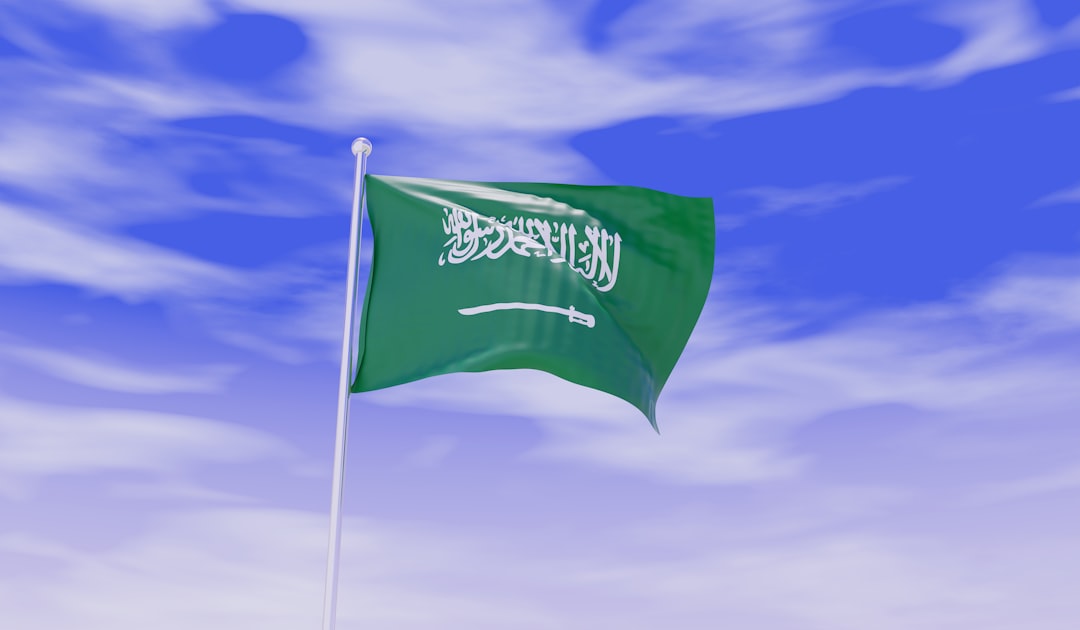
Saudi Arabia successfully intercepted approximately 60 drones as regional tensions escalated dramatically following coordinated attacks across the Gulf, demonstrating the Kingdom's sophisticated air defense capabilities amid the United States-Israel-Iran conflict.
The interceptions, reported by The Times of India, occurred as Iran launched widespread drone and missile strikes targeting United Arab Emirates infrastructure, including Dubai International Airport and energy facilities. Unlike neighboring UAE, which faced overwhelming attacks that penetrated defenses and caused civilian casualties, Saudi Arabia appears to have successfully neutralized threats to its airspace.
The Kingdom's defense performance contrasts sharply with the UAE's vulnerability to low-flying drone swarms that evaded early warning systems. Saudi Arabia has invested heavily in integrated air defense networks as part of Vision 2030 security modernization, combining American Patriot systems, indigenous surveillance capabilities, and electronic warfare assets to create layered protection against asymmetric threats.
In the Kingdom, as across transforming societies, ambitious modernization requires navigating tradition, geopolitics, and economic reality. Saudi Arabia's ability to defend its territory while maintaining delicate regional neutrality showcases the strategic calculations underlying its defense posture—protecting critical oil infrastructure and economic diversification projects without directly entering regional conflicts.
The successful interceptions underscore 's to regional security: substantial military investment combined with diplomatic efforts to maintain stability. As the world's largest oil exporter and 's de facto leader, cannot afford disruption to energy production or Vision 2030 mega-projects like and Red Sea tourism developments.