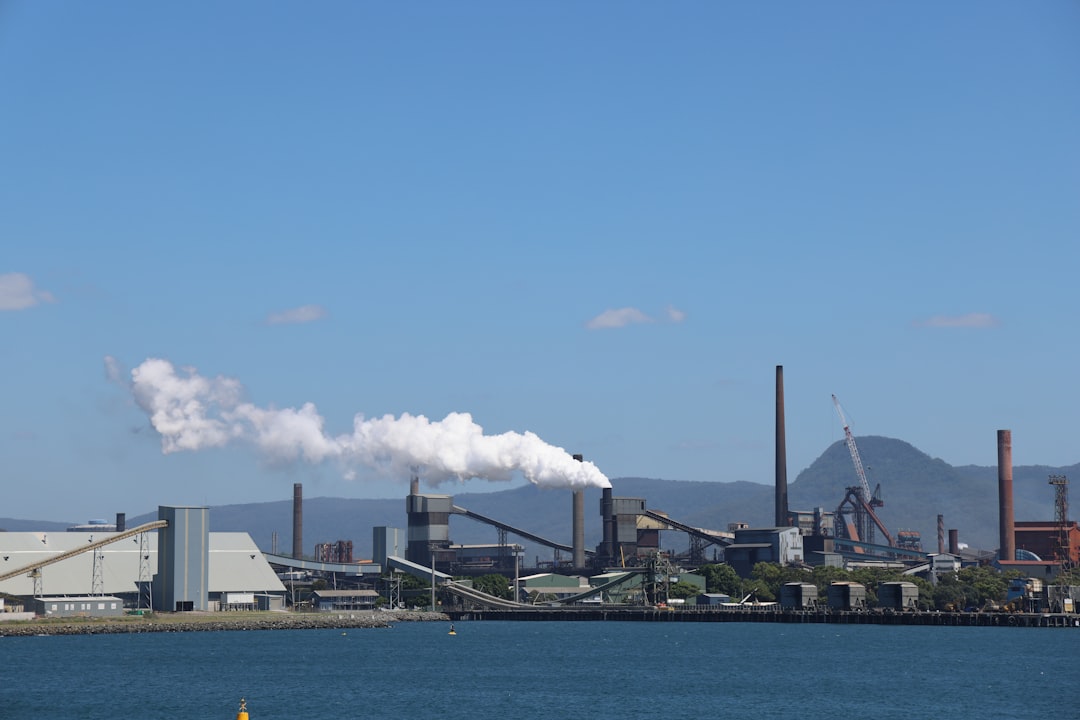
Australia's second-largest oil and gas company paid less than one cent in tax on every dollar of Australian revenue over 10 years, according to new research that will intensify pressure on the federal government to reform resource taxation.
Santos paid just $33 million in corporate income tax on $41 billion in Australian revenue between 2014 and 2024, representing 0.08 percent of its total earnings, according to analysis by financial activist group Market Forces.
That works out to eight hundredths of a cent per dollar. For comparison, most Australian workers pay between 19 and 45 cents in every dollar as income tax.
The figures come as domestic gas prices climb while export profits soar — a dynamic that's fueling political anger across the country. Mate, Australians are watching their own gas get shipped offshore while their energy bills go through the roof. And the companies doing the shipping are paying almost nothing in tax.
Kyle Robertson, a researcher at Market Forces, said Santos is "fuelling catastrophic climate change and the huge rise in Australian household gas prices, all while sending the country's gas overseas."
The company's 2024 figures show it declared $3.35 billion AUD in Australian accounting revenue with $27 million AUD in tax payable — about 0.8 percent of revenue. While Santos paid over $1.4 billion AUD to governments in taxes and royalties globally, $595 million went to Papua New Guinea versus just $24 million to Australia.
Santos dismissed the research, telling reporters the company "has no intention of responding to misinformation from Market Forces, a climate campaign organisation affiliated with Friends of the Earth."
Independent Senator David Pocock wasn't buying it. "Gas companies and especially Santos cannot be trusted to do the right thing by Australian households," he said.
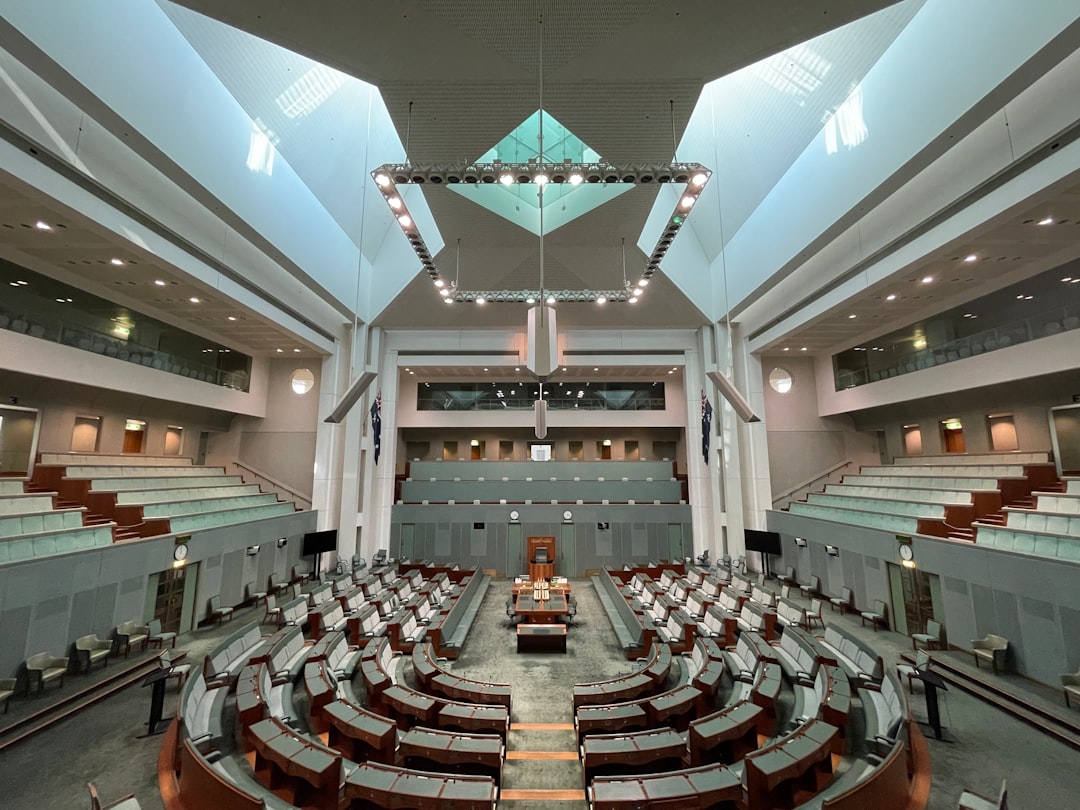
The federal government is backing a parliamentary inquiry into gas industry taxation. A proposed 25 percent export revenue tax is under consideration, along with a gas reservation scheme starting in 2027 that would require companies to reserve 15-25 percent of production for domestic supply.
This is the classic Australian resource extraction scandal — massive profits flowing offshore, locals paying more for their own resources, and tax bills that wouldn't cover a mid-sized council budget. The Petroleum Resource Rent Tax was supposed to capture a fair share of these windfall profits. Instead, it's captured almost nothing.
The question now is whether Canberra has the political will to fix it. With energy bills climbing and an election on the horizon, the pressure is building.