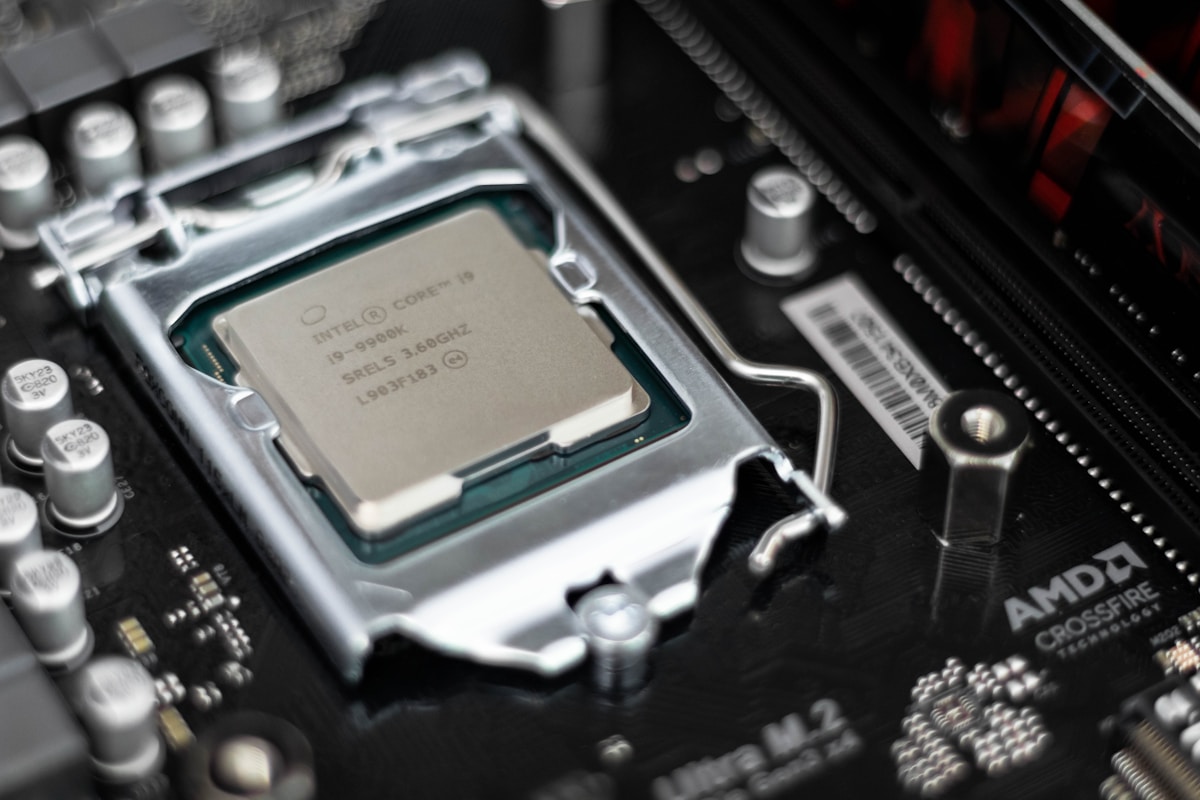
Samsung is in desperate final talks with its chip factory union as workers threaten an 18-day strike that could cost the company $20 billion and disrupt global semiconductor supply chains.
Let's talk about what happens when the world's critical infrastructure depends on factories where labor disputes can halt production.
Samsung's semiconductor division manufactures chips for everything from smartphones to data centers. The company is one of the world's largest producers of memory chips (DRAM and NAND) and recently became a major player in advanced logic chips. Any significant production disruption ripples through the global electronics supply chain.
The union represents workers at Samsung's chip fabrication facilities in South Korea, where most of the company's advanced manufacturing happens. These aren't assembly line workers who can be easily replaced — they're trained technicians who operate complex equipment in cleanroom environments. An 18-day strike would mean 18 days of no production from facilities that run 24/7.
The $20 billion figure represents lost revenue, not just from halted production but from damaged customer relationships. Chip manufacturing operates on tight schedules with committed delivery dates. If Samsung can't deliver, customers go to competitors. Some of those customer relationships might not come back even after the strike ends.
The timing is particularly painful for Samsung because the company has been investing heavily in HBM (High Bandwidth Memory) production for AI accelerators. This is the fastest-growing segment of the memory market, driven by demand from companies building AI infrastructure. A production halt during this critical growth phase could mean losing market share to competitors like SK Hynix and Micron.
Government-mediated talks are happening, which tells you how serious this is. When a nation's government steps in to mediate labor disputes at a private company, it's because the potential economic damage extends beyond the company itself. South Korea's economy is heavily dependent on semiconductor exports. A Samsung strike could measurably impact national GDP.
The workers' specific demands haven't been fully disclosed, but labor actions at this scale typically center on wages, working conditions, and job security. . Workers in these facilities have leverage precisely because they can't be easily replaced and their work is critical.