Samsung is paying chip division employees an average bonus of $340,000 as AI demand drives record profits. Read that again: $340,000. That's not executive compensation. That's not for a handful of senior VPs. That's the average bonus for workers in the semiconductor division.
If you're a software engineer in Silicon Valley feeling pretty good about your compensation package, you might want to reconsider a career pivot to semiconductor manufacturing.
The AI boom isn't just enriching tech founders and VCs. It's creating a class of semiconductor workers earning Wall Street-level bonuses. And that tells you everything you need to know about where the real value creation is happening in AI: not in the chat interfaces or the prompt engineering tutorials, but in the silicon supply chain that makes all of it possible.
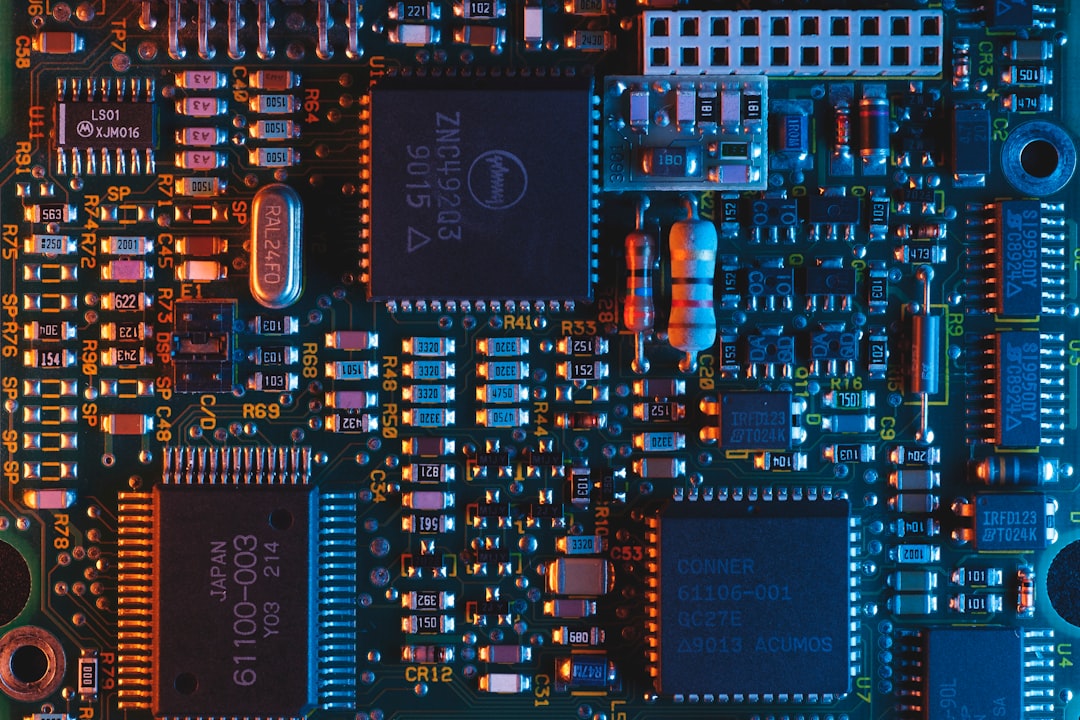
According to Quartz, Samsung's chip division has been printing money thanks to surging demand for memory chips and advanced processors used in AI systems. Every GPU, every training cluster, every data center running AI models—they all need chips. A lot of chips. And there are only a handful of companies in the world that can manufacture them at scale.
Samsung is one of them. Along with TSMC in Taiwan and to a lesser extent Intel, Samsung is part of the oligopoly that controls advanced semiconductor manufacturing. And right now, everyone needs what they're selling.
This matters because it shows where the actual bottleneck in AI infrastructure is. It's not ideas. It's not algorithms. It's not even money, really—though that helps. It's physical manufacturing capacity for cutting-edge chips. You can't just build a semiconductor fab overnight. These facilities cost tens of billions of dollars, take years to construct, and require expertise that exists in only a few places in the world.
From Samsung's perspective, paying massive bonuses makes sense. They're in a seller's market, and keeping their workforce happy is critical to maintaining production. Semiconductor manufacturing is highly skilled work. You can't just hire someone off the street to run a nanometer-scale fabrication line. These workers have specialized knowledge, and if they leave for a competitor, that's a problem.