

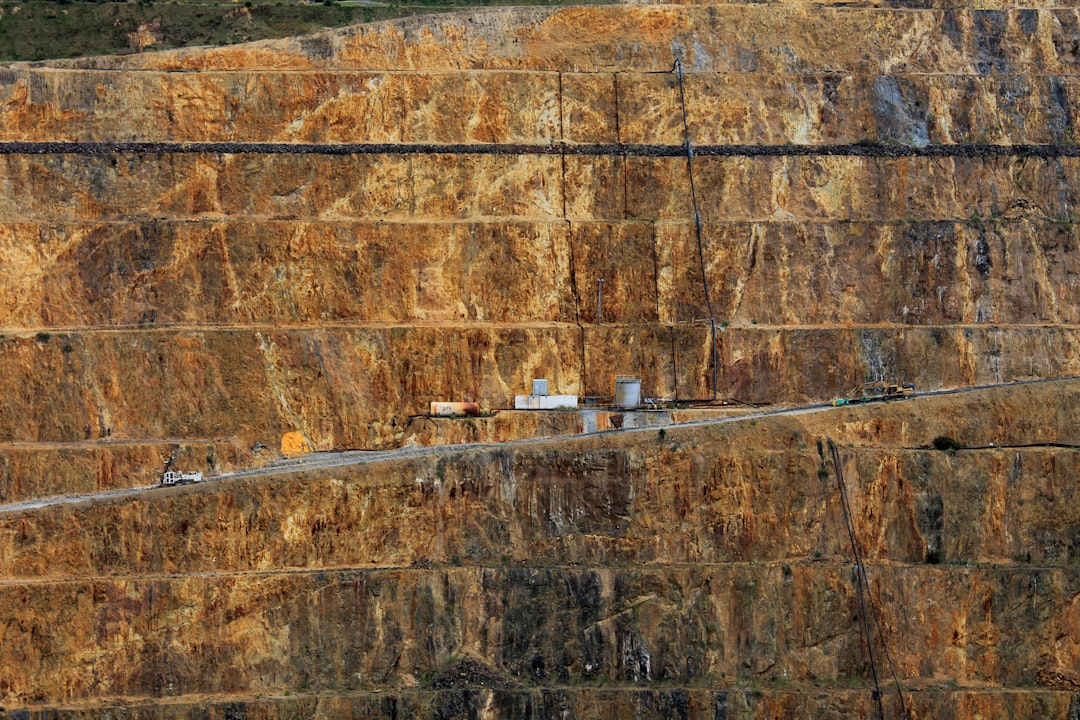
Actor and Central Otago vineyard owner Sam Neill has publicly opposed the government's fast-track approval of a gold mine in the region, raising environmental and heritage concerns about a project that's become a flashpoint in the debate over New Zealand's controversial resource development legislation.
In a YouTube video, Neill joined local conservationists and iwi in criticizing the fast-track process, which allows the government to bypass normal environmental protections and consultation requirements for projects deemed to be in the national interest.
The fast-track law in action
The coalition government's fast-track legislation has been one of its most contentious moves since taking office. Designed to accelerate resource extraction and infrastructure projects, the law gives ministers sweeping powers to override local councils, skip environmental impact assessments, and fast-track consent processes that would normally take years.
Proponents say it's necessary to unlock New Zealand's economic potential and reduce bureaucratic delays. Critics say it's environmental vandalism dressed up as economic policy.
The Central Otago gold mine is one of the first major projects to go through the fast-track process, and it's proving to be a test case for the legislation's impact.
Why Sam Neill matters
When Sam Neill makes a YouTube video about a local planning issue, you know something significant is happening. The actor, best known internationally for Jurassic Park but beloved in New Zealand for much more, owns Two Paddocks vineyard in Central Otago and has been a passionate advocate for the region for decades.
His opposition carries weight not because he's a celebrity—though that helps get attention—but because he's a longstanding member of the Central Otago community with genuine credentials on land use and environmental stewardship.
In the video, Neill articulates concerns shared by many locals: that the fast-track process is allowing projects to proceed without proper assessment of their environmental impact, without adequate consultation with affected communities, and without consideration of long-term consequences for the region's landscape and economy.
The environmental stakes
Central Otago is one of New Zealand's most distinctive landscapes—dramatic mountains, historic gold rush towns, and increasingly, world-class vineyards that have put the region on the international wine map. It's also one of the driest parts of New Zealand, making water use a particularly sensitive issue.
Gold mining uses enormous amounts of water, generates significant waste, and leaves lasting scars on the landscape. The question is whether the economic benefits—jobs, tax revenue, export earnings—justify the environmental costs.
Under the normal consenting process, that question would be debated extensively, with input from environmental scientists, local iwi, community groups, and affected parties. Under the fast-track process, the government can essentially decide the answer on its own.
The broader pattern
The Central Otago mine is part of a broader push by the coalition government to expand resource extraction. Similar fast-track approvals are being sought for mining projects, aquaculture developments, and forestry conversions across New Zealand.
Environmental groups warn that the country is sleepwalking into environmental degradation in pursuit of short-term economic gains. The government counters that New Zealand has been too restrictive, that environmental regulations have gone too far, and that the pendulum needs to swing back.
What happens next
The fast-track approval doesn't mean the mine will definitely proceed—there are still financial and technical hurdles. But the fact that it can proceed without the normal environmental safeguards has galvanized opposition.
Expect more high-profile voices like Sam Neill's to join the debate as other fast-track projects come forward. And expect the fast-track law itself to become a major issue in the next election.
For Central Otago, the question is what kind of region it wants to be: a wine and tourism destination known for its pristine landscape, or a mining province with all that entails. The fast-track law is forcing that choice sooner than many locals would like.



