Russia is curbing nitrogen fertilizer exports, tightening global supply of a critical agricultural input just as farmers worldwide are planning their spring planting. And if you're wondering what that has to do with your grocery bill, the answer is: everything.
Fertilizer is one of those unglamorous commodities that most people never think about until it becomes expensive. But it's foundational to modern agriculture. Without sufficient nitrogen, phosphorus, and potassium, crop yields fall. When crop yields fall, food gets more expensive. It's that simple.
Russia's Outsized Role
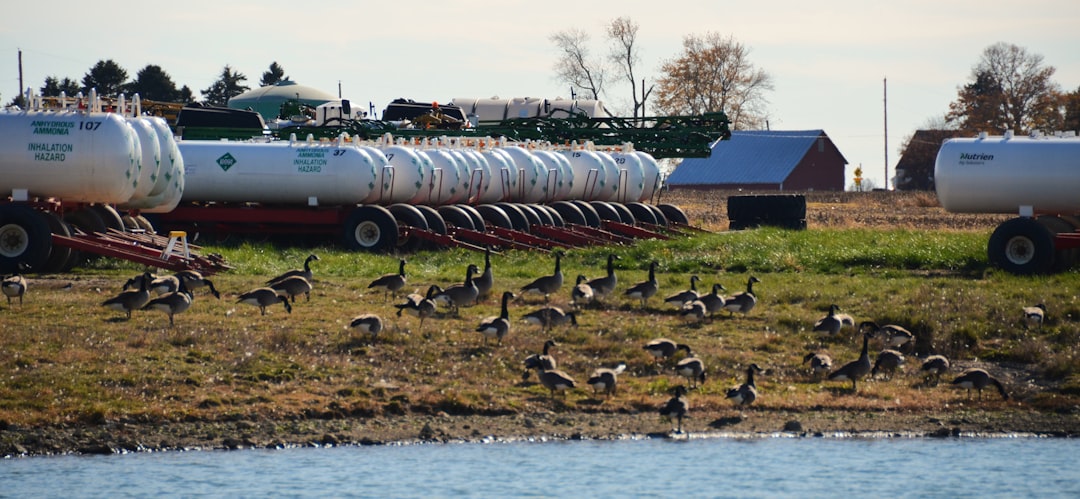
Russia is one of the world's largest exporters of nitrogen fertilizers, which are essential for growing wheat, corn, and other staple crops. According to Bloomberg, the country is restricting exports due to supply constraints related to the war. That means less fertilizer available on global markets, higher prices for what's left, and higher costs for farmers who depend on it.
This isn't just a problem for Russian farmers. Global agriculture is deeply interconnected. When a major exporter restricts supply, importing countries—especially in Africa, Latin America, and parts of Asia—face immediate shortages and price spikes. And those costs get passed down the chain to food processors, grocery stores, and eventually consumers.
The Inflation Connection
Food prices are a major component of the Consumer Price Index, the main measure of inflation that central banks use to set interest rates. If fertilizer costs drive up the price of wheat, corn, and soybeans, that flows through to bread, meat, and packaged foods. Higher food prices mean higher inflation readings, which puts pressure on the Federal Reserve and other central banks to keep rates elevated.
For retail investors, that's bad news. Higher interest rates mean higher borrowing costs for companies, lower valuations for growth stocks, and more competition for your investment dollars from risk-free government bonds. It also hits consumer discretionary spending—when people are paying more for groceries, they have less money for everything else.
Why This Is Happening Now
Russia's export restrictions are tied to the ongoing war in Ukraine, which has disrupted supply chains, damaged infrastructure, and diverted resources toward military production. Nitrogen fertilizer production is energy-intensive, and Russia's energy sector is under strain from sanctions and war mobilization.
There's also a strategic element. Food security is a geopolitical weapon. By restricting fertilizer exports, Russia can create pressure on countries that depend on its supplies, potentially gaining leverage in diplomatic negotiations. That's cold-blooded, but it's how commodity politics works.
What This Means for You
If you're an investor, watch agricultural commodity prices and food inflation closely. Companies in the food production and retail sectors are going to face margin pressure if input costs keep rising. That could mean lower earnings, which would be bad for stock prices in those sectors.
If you're a consumer, expect higher prices for staple foods over the next several months. Wheat, corn, and soybean prices are already elevated due to various supply disruptions, and fertilizer constraints will make the problem worse.
The broader lesson is that commodity supply chains are fragile, and geopolitical events have real economic consequences. You can't insulate yourself completely from these risks, but you can at least understand where they're coming from and how they might impact your finances.
This isn't a sexy story. It's not about AI or electric vehicles or meme stocks. But it matters more than most of the noise you'll see on financial media. When the cost of growing food goes up, everyone feels it.