
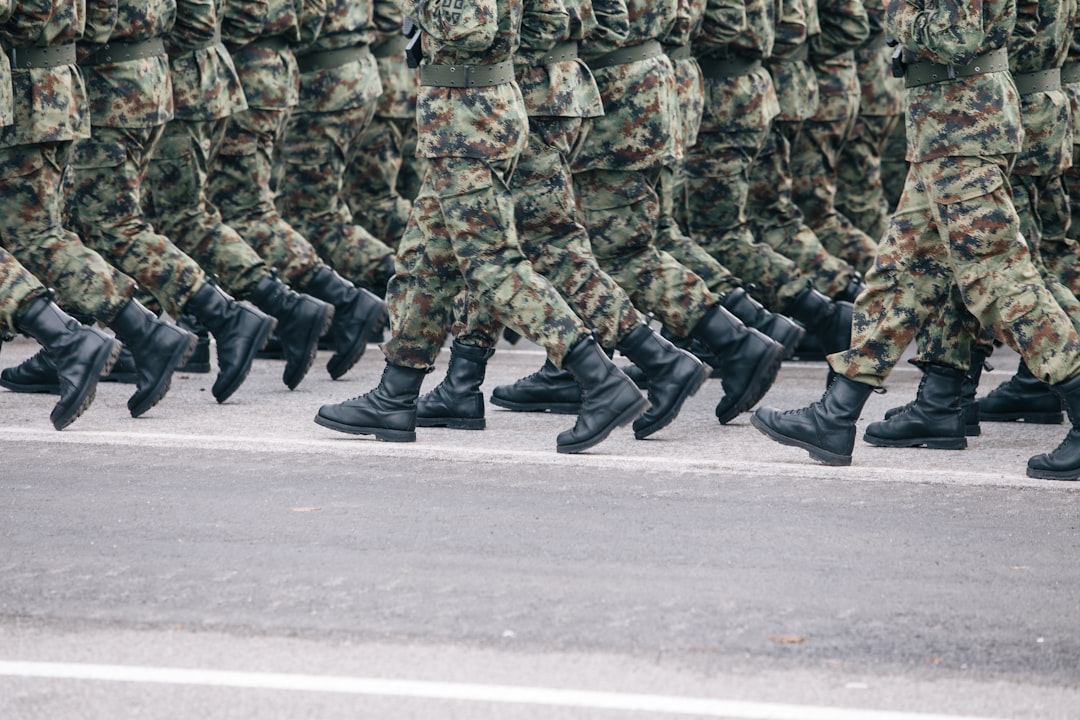
Russia's State Duma passed legislation on Wednesday formally authorizing President Vladimir Putin to deploy military forces in foreign countries, a development that has sent alarm through Estonia, Latvia, and Lithuania—three NATO members who understand Russian strategic thinking from bitter historical experience.The bill, which passed its final reading in the lower house of Russia's parliament, provides legal cover for military operations beyond Russia's borders, codifying what has been de facto practice since the invasion of Ukraine into Russian domestic law.<h2>Baltic Security Concerns Mount</h2>In the Baltics, as on NATO's eastern flank, geography and history create an acute awareness of security realities. While Western European capitals may view this as mere legislative formalization of existing practice, Baltic security experts recognize it as dangerous signaling that warrants close attention."This isn't just paperwork," a senior Baltic defense official told reporters in Riga, speaking on condition of anonymity due to diplomatic sensitivities. "When Russia changes its legal framework to legitimize aggression, we take it seriously. Our experience as former Soviet republics gives us insight into how Moscow thinks."The three Baltic states—all NATO members since 2004—have consistently maintained heightened defense postures since Russia's 2014 annexation of Crimea. All three countries exceed NATO's 2% GDP defense spending target, with Estonia leading at over 3% of GDP.<h2>Legal Framework for Aggression</h2>The legislation grants sweeping authority to the Russian president to authorize "special military operations" abroad, a term that has become Moscow's preferred euphemism for military invasions. The bill eliminates previous legal ambiguities around the deployment of Russian forces beyond national borders.Russian lawmakers described the measure as necessary for "protecting Russian citizens abroad" and "responding to threats to national security"—language that Baltic officials note mirrors the pretexts used before previous Russian military interventions.<h2>NATO's Eastern Flank Responds</h2>The timing of the legislation is particularly concerning for Baltic capitals. It comes as the United States recently canceled deployment of 4,000 soldiers to Poland, raising questions about NATO force posture in the region. Lithuania's defense minister has called for accelerated deployment of NATO forces to the Baltic region in response to evolving threats.The three Baltic states announced earlier this year a joint defense procurement initiative worth €2 billion, focused on air defense systems, ammunition stockpiles, and infrastructure hardening. The coordinated approach leverages their small size as an advantage— with NATO allies.<h2>Prescient Threat Assessment</h2>Baltic threat assessments have consistently proven prescient. Long before Russia's full-scale invasion of Ukraine in 2022, Estonia, Latvia, and Lithuania warned Western allies about Moscow's intentions. Their security services, many staffed by Russian speakers who understand Kremlin communications, have repeatedly identified threats that Western intelligence later confirmed. explained a Lithuanian parliamentary security committee member. The legislation passed with near-unanimous support in the Duma, reflecting the consolidated authoritarian control Putin has established over Russia's political system. Opposition voices that might have challenged such expansive military authority have been silenced, exiled, or imprisoned.<h2>Regional Security Architecture Under Strain</h2>The bill's passage underscores the deterioration of the post-Cold War security architecture in Europe. Russia's actions have systematically dismantled agreements and norms that once governed European security, from the to conventional arms control treaties.For the Baltic states, digital leaders in e-governance and NATO's most eastern members, the legislation serves as a stark reminder that technological advancement and European integration cannot replace robust military deterrence. Estonia has pioneered digital defense capabilities while maintaining conscription; Latvia has rebuilt its armed forces from near-zero after Soviet withdrawal; Lithuania has become a regional leader in hybrid threat response.The three nations continue to call for permanent NATO bases on their territory, arguing that the alliance's current of rotating battlegroups, while valuable, provides insufficient deterrence against a Russia that now legally authorizes foreign invasions.As one Estonian defense analyst put it:
|