Moscow struck energy infrastructure belonging to its closest European ally, yet Budapest responded by deploying military forces toward Ukraine rather than confronting the Kremlin. The paradox reveals the fragility of Viktor Orbán's carefully cultivated relationship with Vladimir Putin, even as Hungarian opposition figures claim the entire incident serves domestic political purposes.
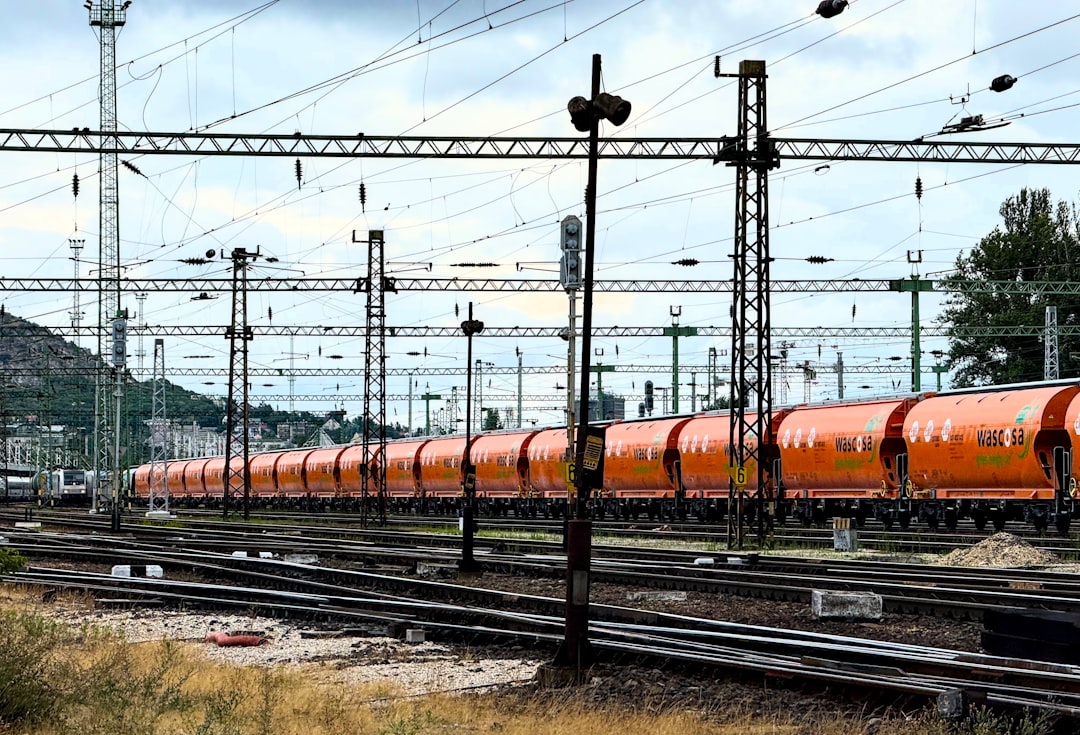
Russian forces damaged a section of the Druzhba pipeline, a critical energy artery connecting Russian oil supplies to Hungary and other Central European nations. The pipeline, whose name translates to "Friendship," has symbolized post-Soviet energy interdependence for decades. According to reports from European sources, the strike occurred during broader Russian military operations, though the precise circumstances remain unclear.
In Russia, as in much of the former Soviet space, understanding requires reading between the lines. Rather than directing military responses toward the source of the attack, Orbán's government announced deployment of Hungarian forces along the Ukrainian border. Official statements from Budapest framed the move as necessary for border security, but the timing and target of the deployment raised questions among regional observers.
Hungarian opposition parties moved quickly to characterize the pipeline attack as a false flag operation designed to bolster Orbán's position ahead of parliamentary elections. The opposition claims remain unverified, but they reflect deepening political polarization within Hungary over the government's Russia policy. Independent Hungarian media outlets have noted the convenient timing for a leader whose approval ratings have faced pressure.
The incident exposes contradictions at the heart of Hungary-Russia relations. Budapest has positioned itself as Moscow's primary advocate within the European Union, blocking sanctions packages and maintaining energy ties even as other member states diversified away from Russian supplies. Yet when Russian military action directly affects Hungarian infrastructure, the response suggests limits to the partnership's durability.
Historical context matters here. The Druzhba pipeline system dates to the Soviet era, when energy infrastructure served both economic and political functions binding Eastern European satellites to Moscow. Modern Hungary's continued dependence on this system reflects choices made by successive governments, but also geographic and economic realities that constrain Central European energy options.
European officials have offered measured responses, with several noting the awkward position in which the attack places Orbán. A senior EU diplomat, speaking on condition of anonymity, suggested that Budapest's reaction "demonstrates the challenges of maintaining alignment with an unpredictable partner."
The deployment of Hungarian forces toward Ukraine rather than any gesture toward Russian accountability follows a pattern visible across the post-Soviet space, where smaller nations navigate great power politics through calculated ambiguity. Whether the opposition's false flag allegations carry weight or not, the incident reveals how energy dependence shapes political options—and how domestic politics can determine responses to international incidents.
For regional observers, the episode underscores questions about the sustainability of Hungary's current foreign policy orientation. As one Budapest-based analyst noted, "You can't build a long-term strategy on the assumption that your patron will never make mistakes that affect you directly."