A comprehensive study has found that two-thirds of rural New Zealand's self-supplied water is unsafe, according to Farmers Weekly.
Let that sink in. While urban New Zealand debates water infrastructure reforms and Three Waters policy, hundreds of thousands of rural Kiwis have been drinking water that would be unacceptable in Auckland or Wellington.
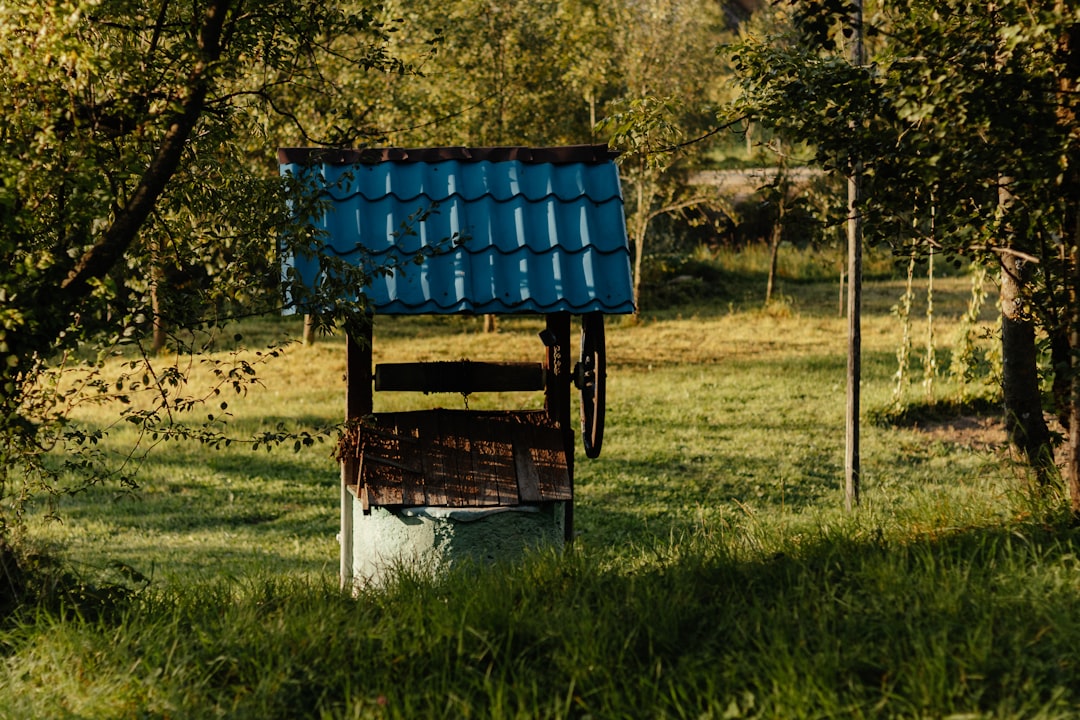
The study examined water quality from rural properties that rely on rainwater tanks, bores, and wells rather than municipal supplies. The contamination includes bacterial pathogens, agricultural runoff, and heavy metals—all the nasty stuff you don't want in your drinking water.
This is New Zealand's rural-urban divide in liquid form. The government spends billions debating city water infrastructure while regional communities make do with contaminated supplies that would trigger immediate action if they were in suburban Auckland.
The health implications are serious. Contaminated water can cause gastroenteritis, chemical poisoning, and long-term health issues, particularly for children and elderly people. But because rural communities are expected to manage their own water supplies, there's minimal oversight and even less support.
New Zealand prides itself on its clean, green image. The tourism marketing emphasizes pristine rivers and pure water. The reality for rural communities is often quite different—agricultural intensification, aging infrastructure, and inadequate testing have left many properties with water supplies that fail basic safety standards.
The study's findings aren't entirely surprising to anyone who's spent time in regional New Zealand. Rural communities have been raising water quality concerns for years. What's surprising is the scale—two-thirds is a massive proportion of rural water supplies.
Part of the problem is that self-supplied water sits in a regulatory gap. It's not covered by the same standards as municipal supplies, and property owners are largely on their own when it comes to testing and treatment. Some farmers test regularly and invest in filtration systems. Others don't, either because they can't afford it or because they simply don't know their water is contaminated.