
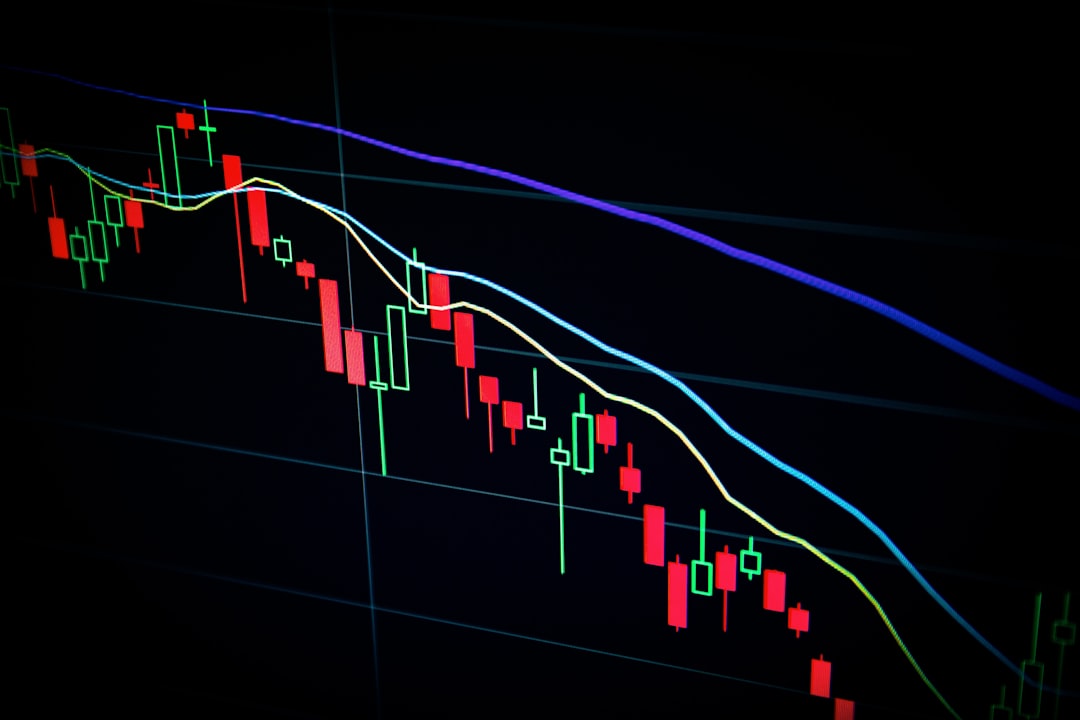
Remember when Robinhood was supposed to "democratize finance"? Well, they've just democratized a new way to lose catastrophic amounts of money in record time.
A user posted this weekend about losing $46,000 in minutes trading Robinhood's new Bitcoin prediction markets—products that are still labeled "Test" in the app. Let that sink in. These aren't even officially launched products, and they're already enabling five-figure losses faster than you can finish a flight.
Here's what happened: Robinhood rolled out prediction markets that let users bet on whether Bitcoin will go up or down in 15-minute windows. Think of them as ultra-short-term options, except potentially even more dangerous. The user described them as "0DTE options on steroids"—and that's not hyperbole.
For context, 0DTE options (zero days to expiration) are already considered one of the riskiest products in retail trading. They're so volatile that they can swing 100% in minutes based on tiny price movements. What Robinhood has built is somehow more leveraged and faster-moving than that. And they've made it as easy to access as checking your email.
The fact that these products still have "Test" labels on them is genuinely shocking. In what universe is it acceptable to let retail users gamble $46,000 on a beta product? If this were a pharmaceutical company, they'd be facing congressional hearings. But because it's fintech, it's just another Sunday.
This isn't Robinhood's first rodeo with regulatory controversy. They paid $70 million to settle charges over misleading customers and system outages back in 2020. They were at the center of the GameStop trading halt fiasco in 2021. They've been repeatedly criticized for gamification tactics that encourage excessive trading. And now they're rolling out products that make casino slot machines look conservative.
Let's talk about what these prediction markets actually are. Technically, they're binary options on Bitcoin price movements. You're betting on a specific outcome in a specific timeframe. If you're right, you win. If you're wrong, you lose everything. There's no middle ground, no partial losses, no time to adjust your position. It's all-or-nothing, and the clock is always ticking.
The user who posted about the $46k loss managed to recover most of it—this time. But that's survivorship bias in action. For every person who posts about their dramatic recovery, there are dozens who just lost money and didn't post about it. And unlike traditional stock trading where you can hold through volatility, these products expire. When the timer hits zero, you either won or you lost. There's no "I'll just wait it out."
So why is Robinhood offering this? Follow the money. The company makes revenue from payment for order flow, premium subscriptions, and interest on cash balances. But the real money is in trading volume. The more people trade, the more Robinhood earns. Products that encourage rapid-fire, high-stakes betting are perfect for driving volume.
The risk disclosures are probably there—buried in the terms of service that nobody reads. Robinhood will argue that users are adults making informed decisions. Regulators will eventually notice, ask some questions, and maybe issue a fine that's a rounding error on Robinhood's balance sheet. And in the meantime, retail traders will keep discovering that "democratizing finance" sometimes means democratizing the ability to blow up your savings account on a Sunday afternoon.
What should you take away from this? First, if a product is still labeled "Test," maybe don't bet your house on it. Second, if something feels like gambling, it probably is. Bitcoin prediction markets with 15-minute expiration times aren't investing—they're speculation in its purest form. Third, just because Robinhood offers a product doesn't mean it's a good idea to use it.
The truth is, these products can work for professional traders who understand risk management, position sizing, and statistical probabilities. But Robinhood isn't marketing to professional traders. They're marketing to young, inexperienced investors who see crypto as a get-rich-quick scheme and trading as entertainment.
And before someone says "personal responsibility"—yes, adults make their own choices. But there's a reason we have regulations against casinos setting up next to high schools. Just because something is legal doesn't make it ethical. Robinhood knows exactly what they're doing, and it's not about empowering retail investors.
If you're using Robinhood, fine. But understand what you're dealing with. This is a company that makes money when you trade frequently, lose money on spreads, and keep cash in low-interest accounts. Their incentives are not aligned with yours. Every feature they build is designed to increase engagement and trading volume. That's the business model.
The Bitcoin prediction markets are just the latest iteration of that strategy. They'll generate headlines, drive downloads, and probably end up costing a lot of people a lot of money. And when regulators finally step in, Robinhood will pay a fine, promise to do better, and launch the next product that pushes the boundaries of what's legal.
If they can't explain why a "Test" product should handle real money, they're probably hiding something. And in this case, what they're hiding is pretty obvious: this is about revenue, not investor protection.