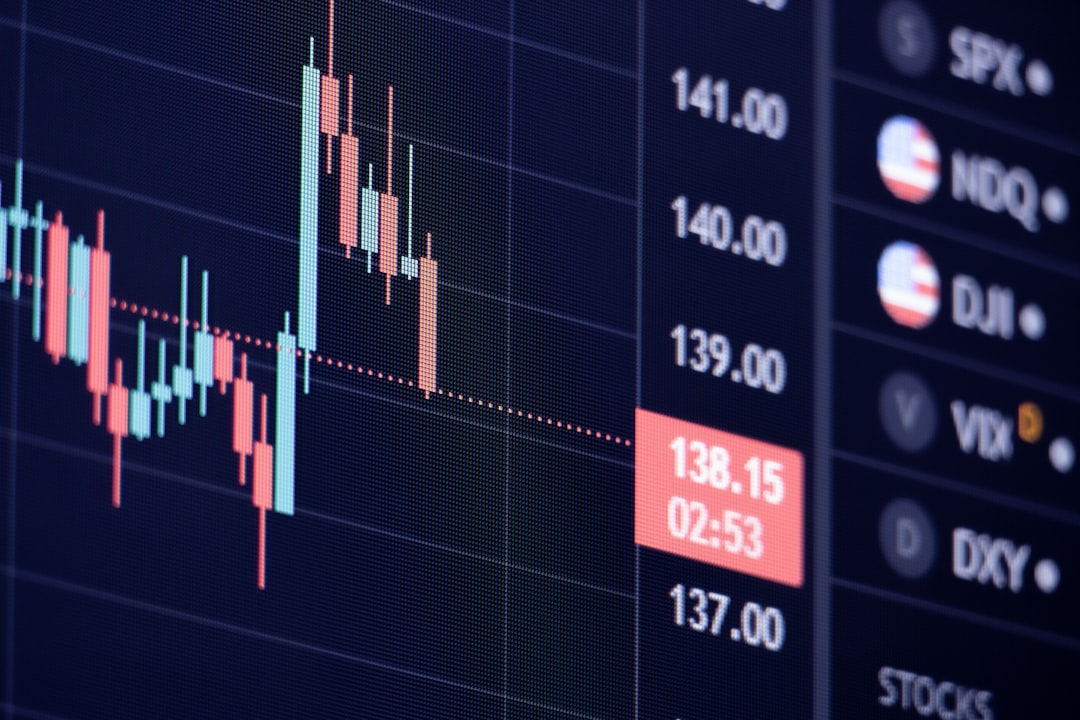

Robinhood is now letting retail investors short stocks. If you don't immediately understand why that's a problem, you're exactly who they're targeting.
A screenshot circulating on Reddit shows the platform has quietly rolled out short selling capabilities. While I couldn't independently confirm this through official Robinhood channels or press releases, the timing and the feature itself fit a disturbing pattern: gamifying increasingly complex financial instruments for users who don't fully understand the risks.
Let me be blunt: shorting stocks is not like buying stocks. When you buy a stock, your maximum loss is what you paid. The stock goes to zero, you lose 100%. That's bad, but it's finite.
When you short a stock, you're borrowing shares and selling them, betting the price will fall so you can buy them back cheaper. Your profit is capped at 100% (if the stock goes to zero). But your loss is theoretically unlimited. If the stock doubles, you lose 100%. If it triples, you lose 200%. If it goes up 10x - like some of the meme stocks Robinhood's users love to chase - you're financially destroyed.
This is the same platform that enabled options trading so frictionless that a 20-year-old user died by suicide in 2020 after seeing a negative balance he didn't understand was temporary. The same platform that literally uses confetti animations when you complete a trade, like you just won a prize instead of betting your rent money.
Now they're handing users a loaded financial weapon and calling it "democratizing finance."
Here's what Robinhood isn't telling you about shorting:
1. You pay interest daily. Borrowing shares isn't free. If a stock becomes hard to borrow (like during a short squeeze), those fees can spike to 100%+ annually. You're bleeding money just to hold the position.
2. You can get forced out at the worst time. If the lender recalls the shares or if the stock spikes and you don't have enough margin, Robinhood will close your position automatically - locking in your loss at the peak.