

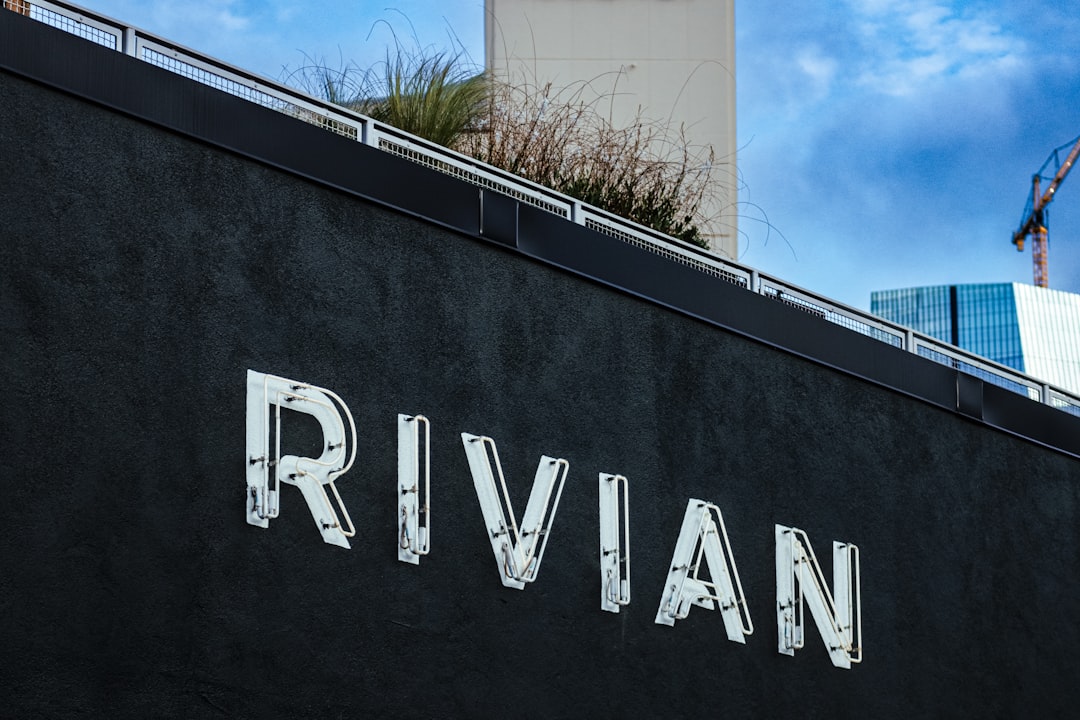
Car dealerships have been the gatekeepers of automobile sales in America for nearly a century, protected by state franchise laws that force manufacturers to sell through middlemen. Rivian just convinced Washington state to let them bypass that system entirely.
The electric vehicle maker secured the right to sell directly to consumers in Washington, dealing a significant blow to the dealer lobby that has successfully blocked similar efforts by Tesla, Lucid, and others in various states. More importantly, the precedent could ripple across the country as other states reconsider laws that were written when the Model T was cutting-edge technology.
Here's why it matters: The traditional dealership model adds thousands of dollars in markup, incentivizes aggressive sales tactics, and creates a buying experience most people dread. Direct sales eliminate the middleman, let manufacturers control pricing and customer experience, and—here's the part dealers hate—cut into the lucrative financing and service revenue that keeps dealerships profitable.
Dealers argue they provide local jobs, customer service, and regulatory compliance. That's partially true, but it's also a business model protecting itself from disruption. The question isn't whether dealerships serve a purpose—it's whether the law should require their existence.
Rivian's victory came down to strategy and timing. Rather than fighting existing dealers head-on like Tesla did, Rivian positioned itself as a new player bringing manufacturing jobs and economic development to states that allowed direct sales. They also targeted states where the dealer lobby was less entrenched and legislators were more open to consumer choice arguments.
The Washington breakthrough is significant because it's a major automotive market with influence beyond its borders. When one state changes its rules, neighboring states face pressure to match or risk losing investment and jobs to more business-friendly jurisdictions.
Traditional automakers are watching carefully. Companies like Ford and GM can't easily switch to direct sales—they have thousands of existing franchise agreements and decades of dealer relationships. But they're increasingly frustrated by the inefficiency and customer dissatisfaction the dealer model creates, especially for EVs where traditional dealerships often lack expertise or enthusiasm.


