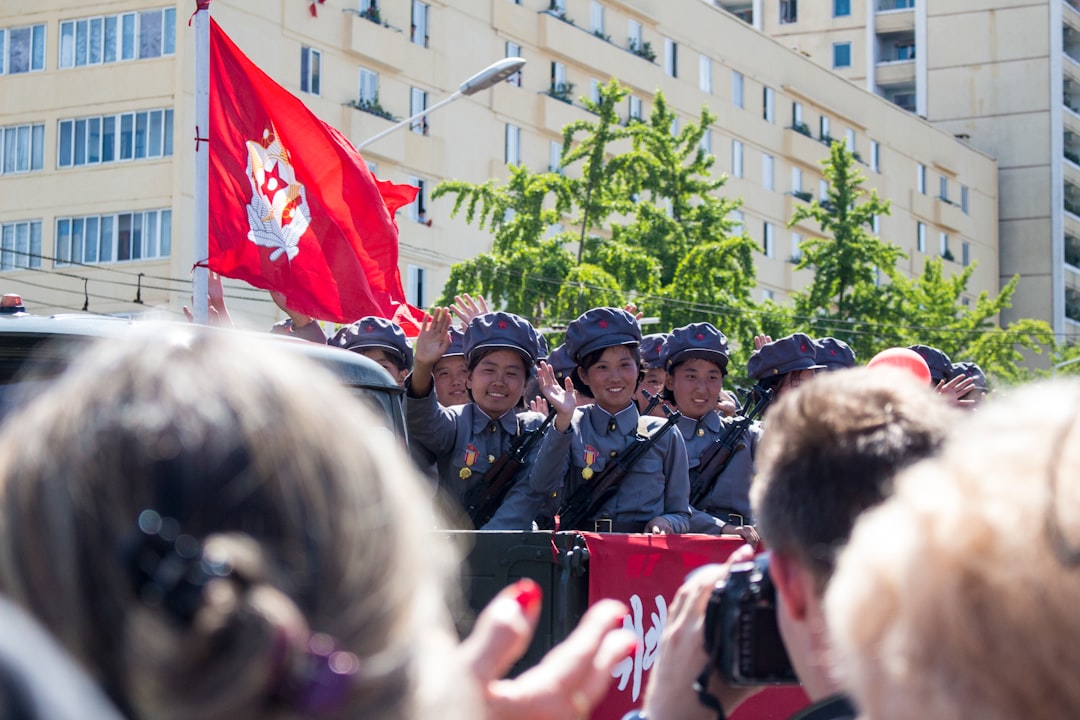
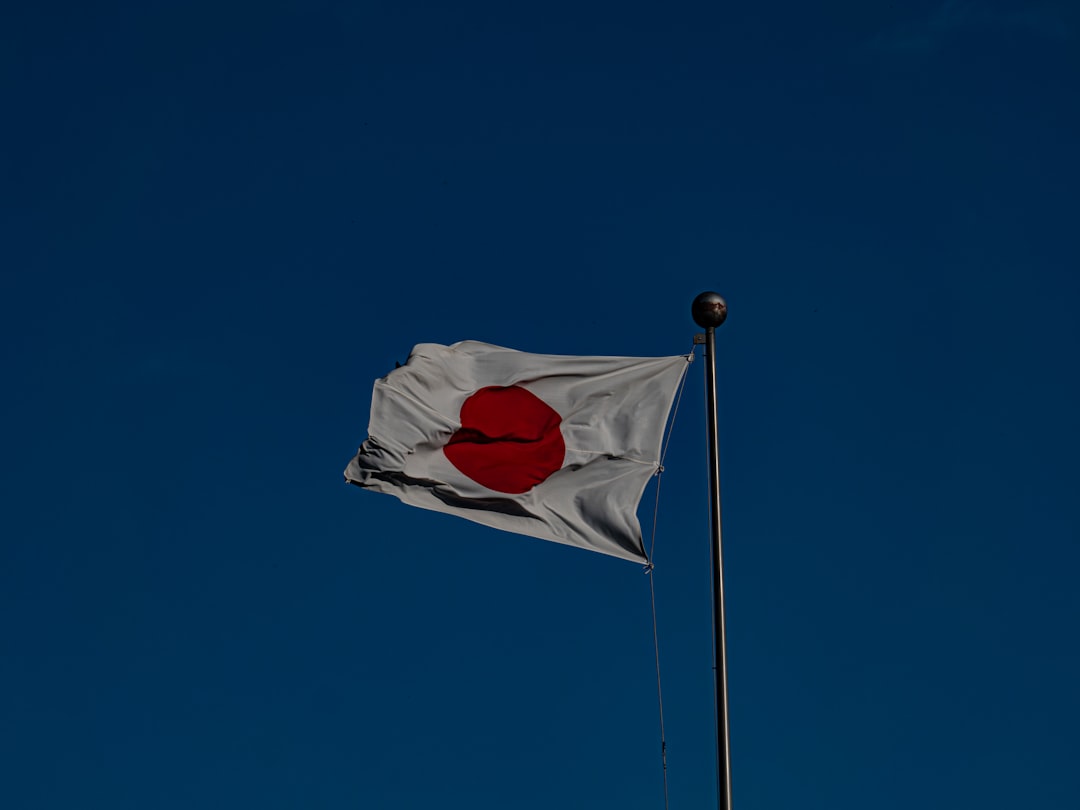
A Rising Sun flag displayed by spectators during a Korea-Japan World Baseball Classic game has sparked renewed controversy, highlighting the persistent historical grievances that complicate regional security cooperation despite shared democratic values and economic interests.
The incident, reported by the Korea Times, drew immediate criticism from Korean fans and officials who view the imperial-era flag as a symbol of Japan's colonial occupation and wartime atrocities. The flag, which features a red sun with sixteen rays, was used by the Japanese military during its 1910-1945 occupation of the Korean Peninsula.
For many Koreans, the Rising Sun flag carries emotional weight comparable to how Nazi symbols are perceived in Europe—representing a painful period of subjugation, forced labor, and cultural suppression. Korean advocacy groups have long campaigned for international sporting bodies to ban the flag from competitions, arguing it glorifies imperialism and militarism.
The controversy emerged during what should have been a celebration of baseball excellence, instead becoming another flashpoint in the complex Korea-Japan relationship. Despite being the United States' two most important Northeast Asian allies, Seoul and Tokyo frequently clash over historical memory issues that complicate Washington's efforts to build a unified regional security architecture against North Korean threats and Chinese assertiveness.
In Korea, as across dynamic Asian economies, cultural exports and technological leadership reshape global perceptions—even as security tensions persist. Yet historical grievances remain deeply embedded in Korean society across generational lines. While younger Koreans embrace Japanese pop culture, anime, and consumer products, colonial-era symbols trigger visceral reactions that transcend age demographics.
The timing proves particularly sensitive as the United States pushes for closer Korea-Japan cooperation on defense issues. Recent trilateral summits between , , and have yielded agreements on intelligence sharing and military coordination, but public opinion in both countries remains wary of deeper partnership.