
Renewable energy sources and battery storage will account for 99% of new electricity generating capacity added in the United States this year, according to new data from the Energy Information Administration, marking an unprecedented milestone in the nation's energy transition.
The projection—which surpasses even China's renewable adoption rate—demonstrates that economic fundamentals have made the clean energy transition unstoppable regardless of political headwinds from the current administration. While China adds 400GW of new capacity compared to America's 70GW, the Asian nation continues building coal and gas plants alongside renewables.
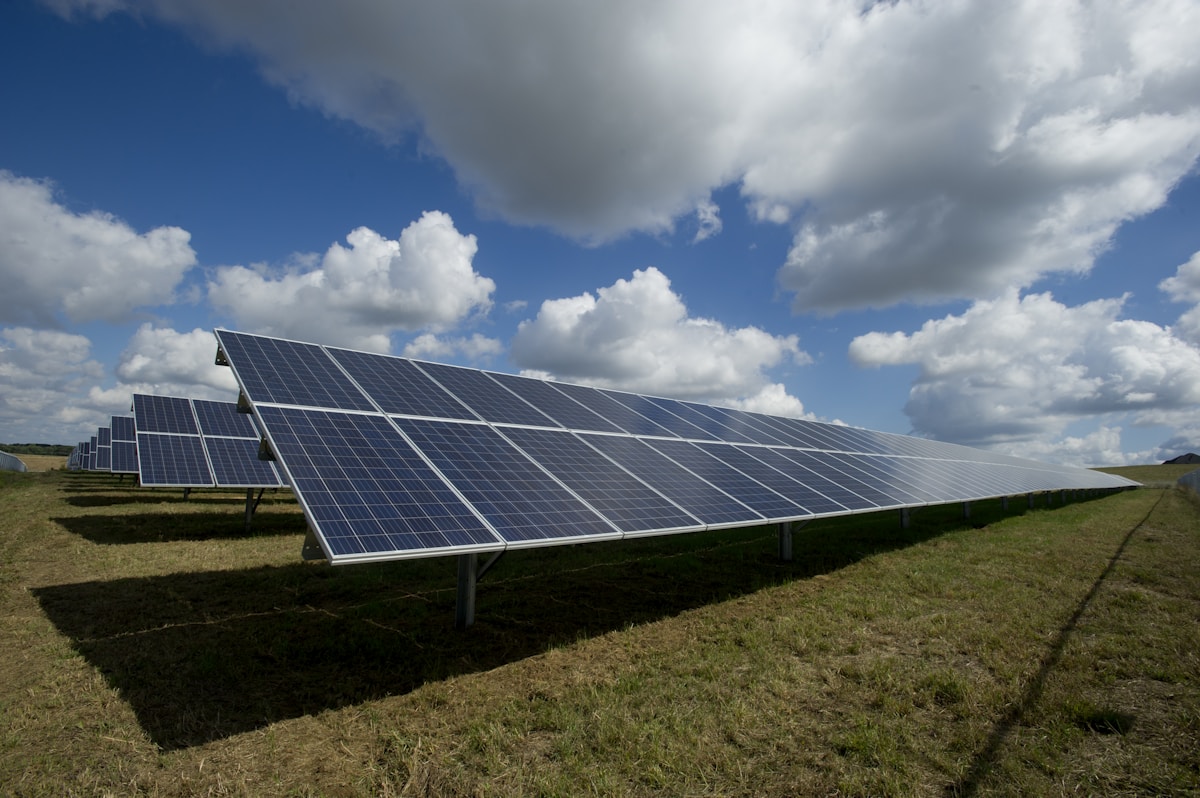
By year's end, renewables will represent 36% of total US generating capacity, a figure that reflects massive deployments in solar arrays, wind farms, and grid-scale battery systems across the country. The 99% adoption rate arrives even as the current Republican administration maintains deep hostility toward climate policy and renewable energy incentives.
The economics speak louder than politics. Solar, wind, and battery storage have achieved unassailable cost advantages over fossil fuel alternatives, with years of price declines still ahead as manufacturing scales and technology improves. The clean energy buildout continues accelerating in Republican and Democratic states alike, driven by market forces rather than federal mandates.
Nuclear power, once touted as the alternative to fossil fuels, receives virtually no new investment. The contrast between renewable energy's 99% market share and nuclear's dormancy illustrates which technologies investors actually believe will power the future grid.
Yet the triumph carries caveats. While the US renewable percentage exceeds China's, the absolute scale differs dramatically—China deploys six times more clean energy capacity annually. America's relative success reflects its smaller grid expansion rather than superior climate leadership.
In climate policy, as across environmental challenges, The 99% renewable milestone demonstrates that technological progress enables climate action even when political will lags behind. Solar and wind have become so economically compelling that they dominate new capacity additions despite, not because of, federal policy.