

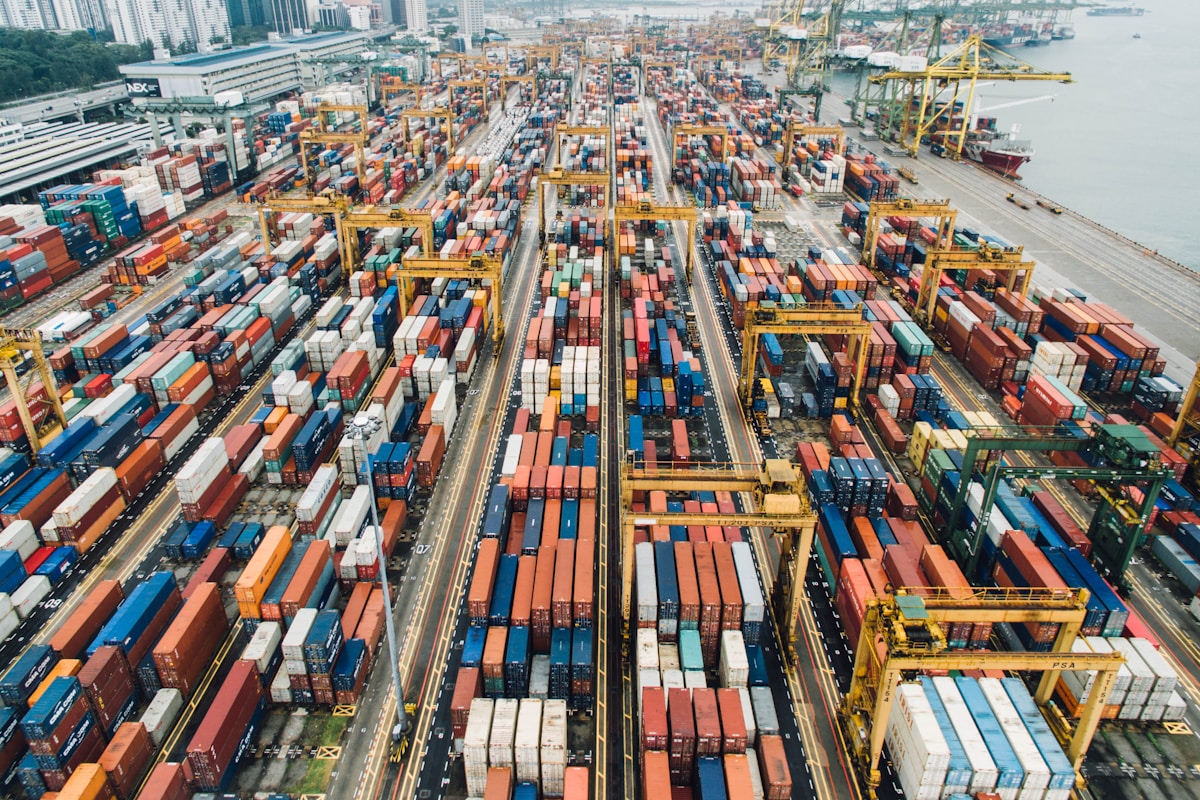
The Red Sea is becoming the global economy's latest chokepoint—and unlike the 2021 supply chain crisis, this one has no clear resolution timeline.
Traffic through the Suez Canal has dropped 70% since mid-2024, forcing vessels onto longer, costlier routes around Africa's southern tip. The cause: Houthi attacks that began in late 2023 and intensified following recent U.S.-Israeli strikes in the region.
According to NBC News analysis, around one-tenth of global seaborne oil shipments typically traverse this corridor, making energy sectors particularly vulnerable. But the disruption extends far beyond oil—consumer goods, automotive parts, electronics, and raw materials all flow through this route.
The 2021 comparison is instructive but limited. That crisis stemmed from pandemic-related port congestion—a logistics problem with logistics solutions. Today's disruption originates from geopolitical threats. Iran has explicitly threatened the Red Sea following regional strikes, and the Houthis—Tehran's Yemen-based proxy militia—have demonstrated capability to disrupt commerce through vessel attacks.
Here's what makes this particularly concerning: the Houthis may strategically "hold in reserve" their military capabilities for later escalation rather than immediate engagement. That creates prolonged uncertainty. Shipping companies can't plan routes when the threat level fluctuates unpredictably.
The economic math is straightforward but painful. Longer shipping distances mean higher fuel costs, extended delivery times, and increased insurance premiums. Those costs flow through to consumer prices globally. European and Asian importers dependent on Middle East and Africa trade routes face the most direct impact.
Alternative pipeline routes can only compensate for about one-quarter of the oil that normally goes through the , creating severe supply constraints if the crisis deepens. For global commerce, there simply aren't enough alternative pathways to reroute everything around conflict zones.


