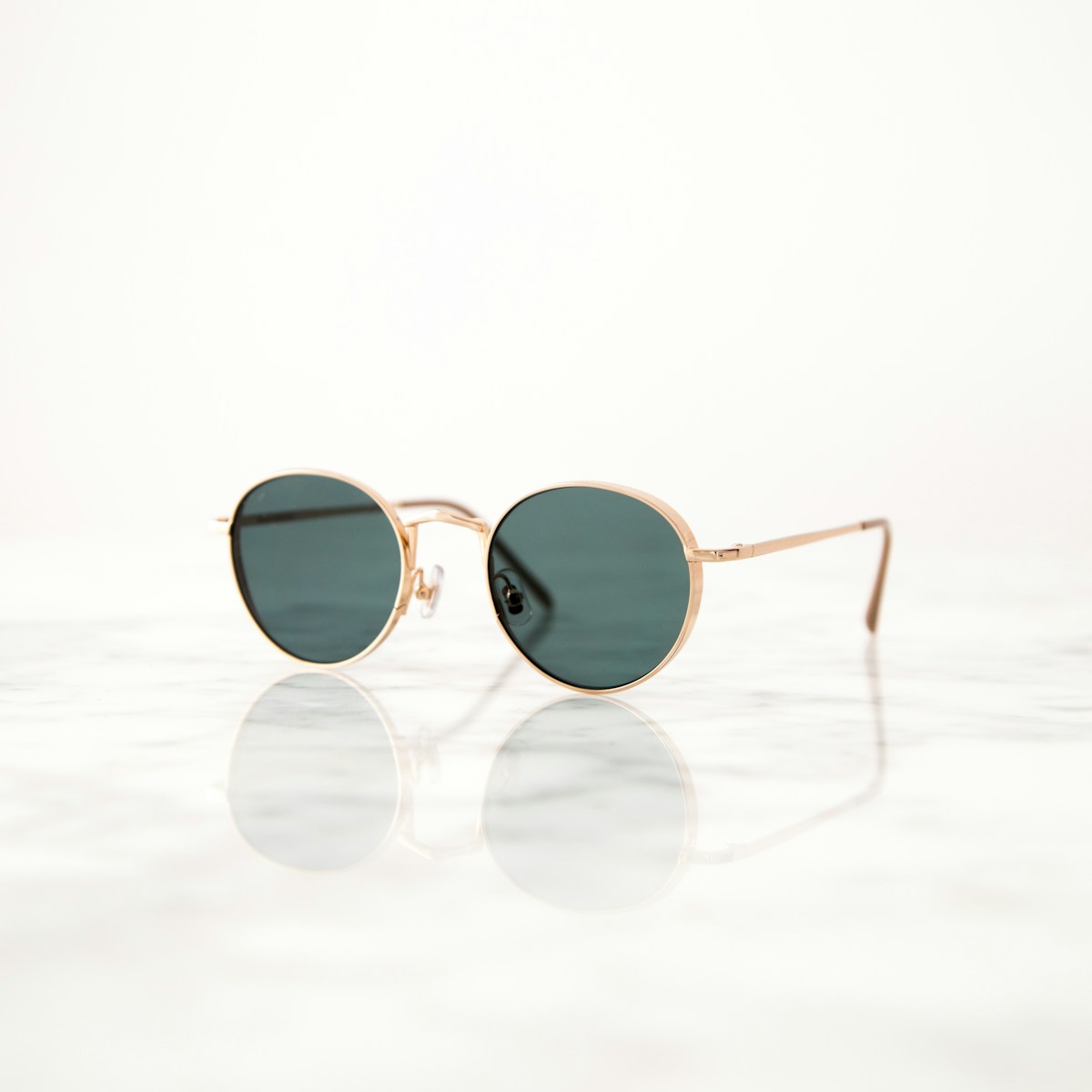
Google Glass failed because it looked dystopian. Meta learned the lesson: make surveillance fashionable and frictionless. Ray-Ban Meta glasses look like regular sunglasses, record everything, and are becoming popular enough that "Ray-Ban Meta Creep" is now a recognized social phenomenon. Unlike Google Glass, there's no obvious camera, no blinking LED, no social stigma—just invisible surveillance that looks like fashion.The product itself is technically impressive. Meta partnered with Ray-Ban to create smart glasses that look indistinguishable from regular Wayfarers. They contain tiny cameras, microphones, and wireless connectivity. You can record video, take photos, make calls, and interact with Meta's AI assistant—all while looking like you're just wearing sunglasses. The integration is seamless. That's exactly the problem.A Wired article this week chronicled the rise of incidents involving Ray-Ban Meta glasses and non-consensual recording. A woman reported being filmed at a coffee shop by someone wearing what she initially thought were regular sunglasses. A gym banned the glasses after members complained about locker room privacy. Multiple universities have added them to prohibited items lists during exams. The pattern is clear: when cameras become invisible, surveillance becomes normalized.The Reddit response captured the cultural tension. Top comment: "Google Glass at least had the decency to look like a surveillance device. These are designed to be covert." Another highly upvoted comment: "We're not ready for ubiquitous cameras, but tech companies don't care because they've already invested billions."Meta's defense is that the glasses have an LED indicator that lights up when recording. Technically true. Practically meaningless. The LED is small, easy to miss in daylight, and doesn't indicate whether the glasses are just on standby or actively recording. More importantly, it assumes people know what Ray-Ban Meta glasses look like. Most don't. They just see someone wearing sunglasses.This is fundamentally different from Google Glass, which failed partly because of its obvious surveillance aesthetics. Sergey Brin showed up to events wearing prototype Glass devices that screamed "I'm recording you." Bars banned them. The term "Glasshole" entered the lexicon. Social norms developed: wearing Google Glass in private spaces was considered rude. The visibility created friction, and that friction enforced boundaries.Ray-Ban Meta glasses eliminate that friction entirely. They're to be invisible. The marketing emphasizes that they look like regular Ray-Bans. The social signal is fashion, not surveillance. That's a feature for Meta—and a bug for everyone else.I tested a pair for this article. In one day wearing them around , not a single person asked if they were recording devices. Multiple people complimented the style. I recorded video in a bookstore, a coffee shop, and on public transit. Nobody noticed. That's by design, and it's genuinely unsettling.The legal framework hasn't caught up. In most jurisdictions, recording in public spaces is legal. The doctrine assumes recording devices are obvious—phones, cameras, visible equipment. When the device looks like sunglasses, that assumption breaks down. Some states require two-party consent for audio recording, but enforcement is nearly impossible when you can't tell a recording is happening.Meta will argue that smartphones have cameras too, and people record covertly all the time. True. But smartphones require active use—you have to hold them, point them, interact with the screen. Ray-Ban Meta glasses are passive. You can record continuously, hands-free, without any visible indication. That's qualitatively different. It's the difference between someone holding up a phone to film you—which you can see and object to—versus someone just looking at you while their sunglasses record.The business model makes this worse. Meta makes money from engagement and data. The more content users generate, the more data flows into Meta's systems. The company has every incentive to make recording frictionless and ubiquitous. Privacy concerns are externalities—costs borne by the people being recorded, not by Meta.What would responsible deployment look like? Probably mandatory disclosure when wearing recording-capable glasses in private spaces. Stronger visual indicators that can't be missed. Opt-in consent frameworks for recording in sensitive contexts. Legal liability for misuse. None of this exists because tech companies prefer to move fast and let society catch up later.The deeper issue is whether we want to live in a world where every interaction might be recorded. One creates accountability through visibility. The other normalizes covert recording.Google Glass failed because it looked like the future people didn't want. Meta succeeded by making the same technology look like something people already wear. The function didn't change—only the aesthetics. And now we're discovering that when you remove the social stigma through better design, you also remove the friction that protected privacy. isn't just about individual bad actors using glasses to record inappropriately. It's about the normalization of ambient surveillance. It's about tech companies deciding that privacy concerns are secondary to product aesthetics and market success. It's about a future where you can't tell who's recording you, and eventually, you stop caring because there's nothing you can do about it anyway.The technology is here. The social norms haven't caught up. And Meta is betting that by the time society decides it's uncomfortable with invisible cameras, they'll be so widespread that the debate will be moot. Based on adoption rates, that bet might pay off. The question is what we lose in the process.
|