

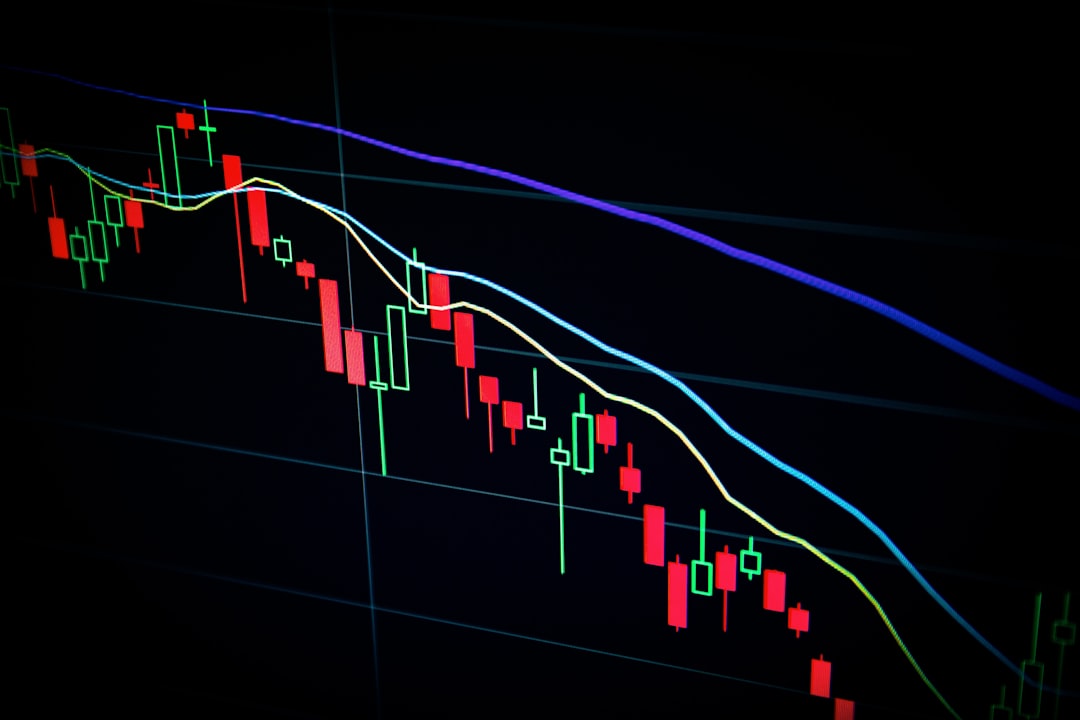
Remember when the consensus was that the Fed would cut rates two or three times this year? That narrative just took a hard U-turn. The odds of a rate hike have surged from 1% to 45% in a single month, and if you're holding growth stocks—especially ahead of Nvidia's earnings on Wednesday—you need to understand what's happening.
Two forces are colliding at once. First, oil prices have spiked to $107 per barrel thanks to escalating tensions between the U.S. and Iran. Higher oil prices feed directly into inflation, and inflation that won't budge is exactly what gives the Fed cover to tighten instead of ease. Second, core inflation metrics have stayed stubbornly above the Fed's 2% target, crushing hopes that price pressures were on a smooth glide path downward.
Now here's where it gets interesting for your portfolio. Nvidia reports earnings Wednesday with expectations for $79 billion in revenue and a stock that's up 640% over the past three years. The company is trading at a price-to-earnings ratio of 48, which only makes sense in a world where interest rates stay low and AI spending continues to accelerate.
Both of those assumptions are now under threat.
High interest rates are kryptonite for growth stocks because they make future earnings worth less in today's dollars. When investors can earn 5% risk-free in a money market fund, they demand a higher return to justify the risk of holding equities—especially expensive ones trading at nosebleed valuations. A stock priced for perfection at 48x earnings becomes a lot less attractive when the discount rate rises.
The AI spending boom has been the single biggest driver of Nvidia's meteoric rise, but that narrative is also starting to crack. Companies are beginning to ask harder questions about return on investment for AI infrastructure. If economic conditions tighten and CFOs start scrutinizing AI budgets more closely, Nvidia's growth trajectory could slow just as the market is repricing for higher rates.
So what actually happens after Wednesday?
If Nvidia beats expectations and raises guidance, you might see a short-term rally as investors bet that AI demand is resilient enough to power through a higher-rate environment. But don't mistake a relief rally for a regime change. The structural headwind from rising rates is real, and it's not going away unless oil prices collapse or inflation data surprises to the downside.


