
The holy month of Ramadan officially began on Wednesday, February 18, 2026, with moon-sighting committees across the Gulf confirming the start of a period that will reshape the rhythms of commerce, labour, and society for more than 50 million people across the Arabian Peninsula and beyond.In the UAE, the announcement came from the country's official moon-sighting committee on Tuesday evening, confirming that Wednesday would mark the first day of fasting. The declaration was echoed within hours by religious authorities in Saudi Arabia, Qatar, Kuwait, Bahrain, and Oman. Across the region, the beginning of Ramadan carries significance that is simultaneously spiritual, social, and deeply economic.The economic footprint of Ramadan across the Gulf is substantial and often misunderstood by outside observers. The conventional image — slower days, shorter hours, reduced productivity — captures only part of the picture. Consumer spending surges in the weeks immediately before and during Ramadan as households stock up on food, gifts, and decorations. Gulf retailers, particularly in the food, beverage, and hospitality sectors, report some of their strongest monthly revenues during this period. Supermarket chains across Dubai and Riyadh launch major promotional campaigns. Dates — the traditional food used to break the fast at iftar — represent a significant commodity market in themselves, with premium Emirati and Saudi varieties commanding hundreds of dirhams per kilogram.The hospitality sector sees a distinctive dual dynamic. Hotel restaurants operating Ramadan tents — expansive iftar buffets that open at sunset and run through the night — generate revenues that can exceed regular-season benchmarks. In Dubai alone, the proliferation of Ramadan tents across five-star properties, beach clubs, and heritage venues has become a significant hospitality industry in its own right, drawing both locals and tourists. Community platforms mapping iftar locations across all seven emirates have emerged to help residents and visitors navigate the expanded offering.The labour dimension is equally significant. Under UAE law, working hours during Ramadan are reduced by two hours per day for all employees, a provision that applies regardless of religion. The question of whether this applies uniformly to non-Muslim workers is regularly raised among the emirate's large expatriate workforce, and legal guidance from the Ministry of Human Resources confirms that the reduction is indeed universal. Similar provisions operate across Saudi Arabia, Qatar, and other Gulf states, creating a compressed working day that shifts economic activity toward evening and night hours.For the region's millions of blue-collar workers — the construction crews, delivery drivers, and service employees who keep Gulf cities running — Ramadan carries a particular weight. Fasting through physical labour in temperatures that will begin rising toward summer peaks demands considerable endurance. Outdoor working hour restrictions, which come into full force across the UAE from mid-June, do not yet apply in February, meaning workers fasting outdoors face long shifts without food or water. Community acknowledgement of their contribution is widespread; social media across the region filled on Wednesday with messages of respect for those working through the fast.The diplomatic and social calendar also reorients. Across Gulf capitals, the iftar meal — the breaking of the fast at sunset — becomes the region's primary social institution for the month. Business meetings migrate to late evenings. Government ministries adjust their public-facing hours. Embassies and multinational corporations operating in the region factor Ramadan scheduling into their calendars months in advance. The month closes with Eid al-Fitr, one of Islam's two major celebrations, which generates a further surge in retail, travel, and hospitality spending as families reunite and gifts are exchanged.For Gulf governments pursuing economic diversification strategies, Ramadan increasingly represents a showcase moment. Dubai's ability to host a Ramadan that is simultaneously spiritually authentic and commercially vibrant — drawing tourists from Europe, South Asia, and the broader Arab world specifically for the experience — is a soft-power asset that fits squarely within the emirate's positioning as a global lifestyle destination. Saudi Arabia, under its Vision 2030 programme, has similarly invested in elevating Ramadan's commercial and tourism dimensions, opening religious heritage sites to international visitors and expanding entertainment offerings during the month's evening hours.In the Emirates, as across the Gulf, ambitious visions drive rapid transformation. Ramadan — ancient in its observance, increasingly dynamic in its economic expression — captures that duality better than almost any other moment in the regional calendar.
Ramadan 2026 Begins Across the Gulf, Reshaping Economies and Daily Life for Millions
Ramadan 2026 began on February 18 after moon-sighting committees across the UAE, Saudi Arabia, Qatar, Kuwait, Bahrain, and Oman confirmed the start of the holy month. The month reshapes economic life across the Gulf, driving consumer spending surges in food and hospitality while compressing working hours for millions of employees across the region. For Gulf governments pursuing economic diversification, Ramadan increasingly doubles as a soft-power and tourism showcase alongside its profound spiritual significance.

3 days ago · 4 min read
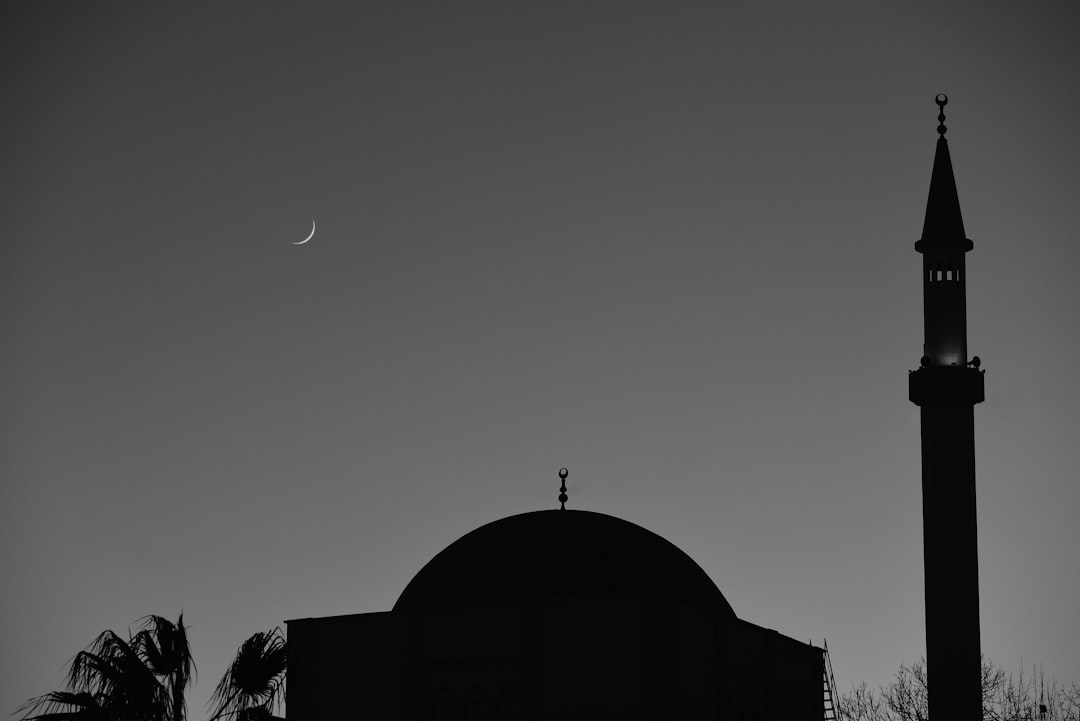
Photo: Unsplash / Ivo Daskalov
Related Articles

World
Anna Murdoch-Mann, Rupert Murdoch's Ex-Wife and Media Dynasty Figure, Dies at 81
1 hour ago

World
Why Australian Economists Deliberately Target Unemployment to Fight Inflation
1 hour ago
World
Heaviest Outback Rain in Decades Set to Reach Struggling Australian Farmers
1 hour ago

World
AFL Spectator Charged with Nazi Salute Explores Mental Health Defence
1 hour ago