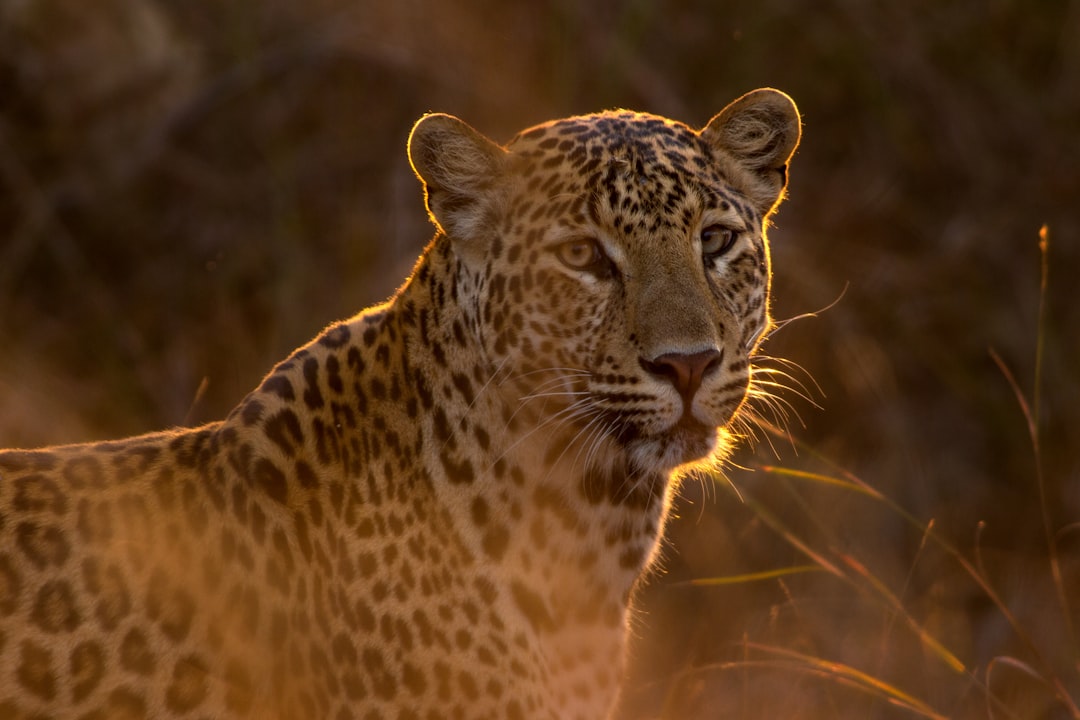
A mob in Rajasthan's Bharatpur district beat a panther to death and set its carcass ablaze, highlighting the volatile intersection of human-wildlife conflict and the fragility of conservation efforts in a country where protected species increasingly encounter communities that view them as threats rather than treasures.
The incident occurred in a rural area of Bharatpur, a district that borders the Keoladeo National Park—a UNESCO World Heritage Site known for biodiversity. According to reports from New Indian Express, villagers attacked the animal after it allegedly entered human settlements, creating panic among residents.
Forest officials reached the scene only after the panther had been killed and burned. The destruction of the carcass complicates investigation and eliminates evidence that could help authorities understand the circumstances and identify individuals responsible for violating wildlife protection laws.
Under India's Wildlife Protection Act of 1972, killing a Schedule I species such as a leopard or panther carries penalties including imprisonment of up to seven years and substantial fines. Yet enforcement remains inconsistent, particularly in cases where communities claim self-defense against dangerous animals.
In India, as across the subcontinent, scale and diversity make simple narratives impossible—and fascinating. The country contains some of the world's most ambitious conservation programs—protecting tigers, elephants, and other megafauna within an extensive network of reserves and national parks. Yet these protected areas exist within a landscape of 1.4 billion people, where wildlife corridors intersect with farms, villages, and highways, creating inevitable and often deadly encounters.
Rajasthan has seen repeated human-wildlife conflicts, particularly involving leopards that venture into settlements in search of livestock or due to habitat loss. Villagers, many of whom raise goats, cattle, and other animals as primary economic assets, face real financial losses when predators attack their herds. Compensation mechanisms exist on paper, but bureaucratic delays and inadequate payment amounts mean farmers often bear the full economic burden of coexistence with wildlife.