

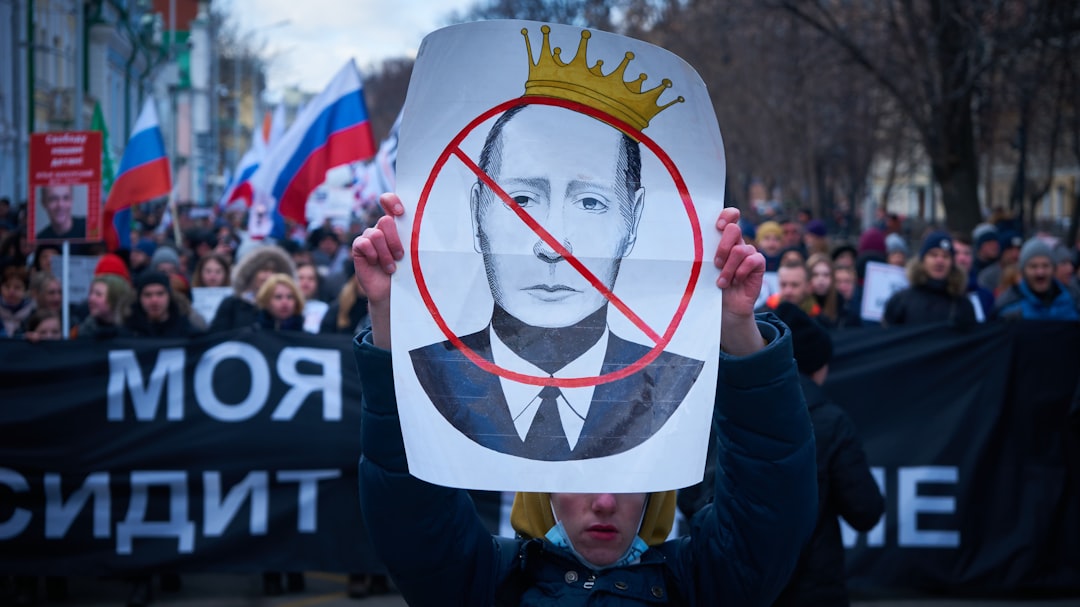
Kremlin leader Vladimir Putin renewed his offer for direct negotiations with Ukrainian President Volodymyr Zelenskyi on Friday, but only if talks occur in Moscow—and only if former German Chancellor Gerhard Schröder serves as intermediary.
The conditions, reported by Kremlin sources, expose Moscow's continued unwillingness to engage in serious diplomatic negotiations. By insisting on talks in the Russian capital and proposing Schröder—a politician widely discredited across Europe for his ties to Russian energy interests—Putin appears to be seeking propaganda value rather than genuine diplomatic progress.
"Of all European politicians, I would prefer talks with Schröder," Putin stated, according to Kremlin readouts. The preference reveals much about Moscow's diplomatic strategy: Schröder has been stripped of privileges by the German government, condemned by his own Social Democratic Party, and publicly criticized for maintaining financial ties to Russian state energy companies even after the full-scale invasion began.
Ukrainian officials immediately dismissed the offer as unserious. "Russia continues to demonstrate it has no interest in genuine negotiations," a Ukrainian Foreign Ministry spokesperson said. "Demanding talks in Moscow while proposing a discredited intermediary shows this is about propaganda, not peace."
The proposal comes as Ukrainian forces continue advancing their deep-strike campaign against Russian military infrastructure, and as Kyiv maintains its position that negotiations can only occur from a position of strength, with full respect for Ukraine's sovereignty and territorial integrity.
While plays diplomatic games, Ukrainian authorities continue reconstruction in liberated areas and advance EU membership negotiations, demonstrating national determination to secure both immediate security and long-term European integration.


