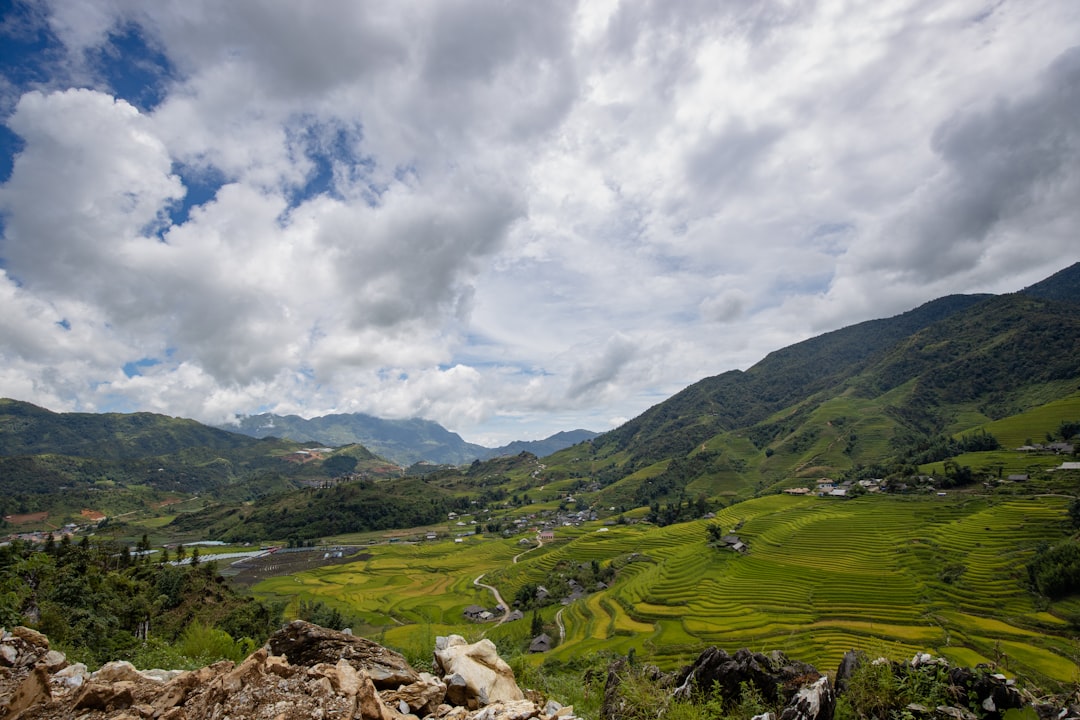
While influencers continue flooding Sapa and Ha Long Bay, savvy backpackers are discovering Pu Luong—a region in Thanh Hoa province that offers everything that made northern Vietnam famous, minus the tour bus traffic jams.
A recent post on r/backpacking highlighting the terraced rice fields and authentic Thai ethnic villages of Pu Luong sparked interest among budget travelers looking for Vietnam's "next destination" before the crowds arrive.
Here's what makes Pu Luong special: The region features stunning multi-day trekking routes through terraced rice paddies that cascade down mountain slopes, traditional stilt houses where homestays run $10-15/night, and villages where tourism hasn't yet displaced local life.
The ripe rice season (September-October and May-June) transforms the landscape into golden waves stretching to the horizon. Unlike the heavily-touristed Sapa, where "homestays" are often mini-hotels and trekking routes clogged with organized tours, Pu Luong maintains an authentic backpacker vibe.
The accessibility factor matters. Pu Luong sits roughly 3-4 hours by bus from Hanoi, making it more accessible than Ha Giang's famous loop but remote enough to filter out casual tourists. Budget travelers report total costs of $25-35/day including accommodation, meals, and guides.
According to travelers on the ground, the infrastructure exists—local guides, homestays, marked trails—but hasn't scaled to industrial tourism levels. This is the sweet spot: accessible but not overcrowded, authentic but not undeveloped.
Why does this matter now? Travel media has a predictable pattern: find hidden gem, write about hidden gem, hidden gem becomes overcrowded, repeat. is entering the awareness phase. Vietnam travel forums show increasing mentions over the past year, but it hasn't hit mainstream guidebook coverage yet.