In an unprecedented acknowledgment of institutional culpability, Pope Leo XIV issued a formal apology on Sunday for the Vatican's historical role in legitimizing the transatlantic slave trade, marking the most direct admission of papal complicity in slavery since the Catholic Church's founding.
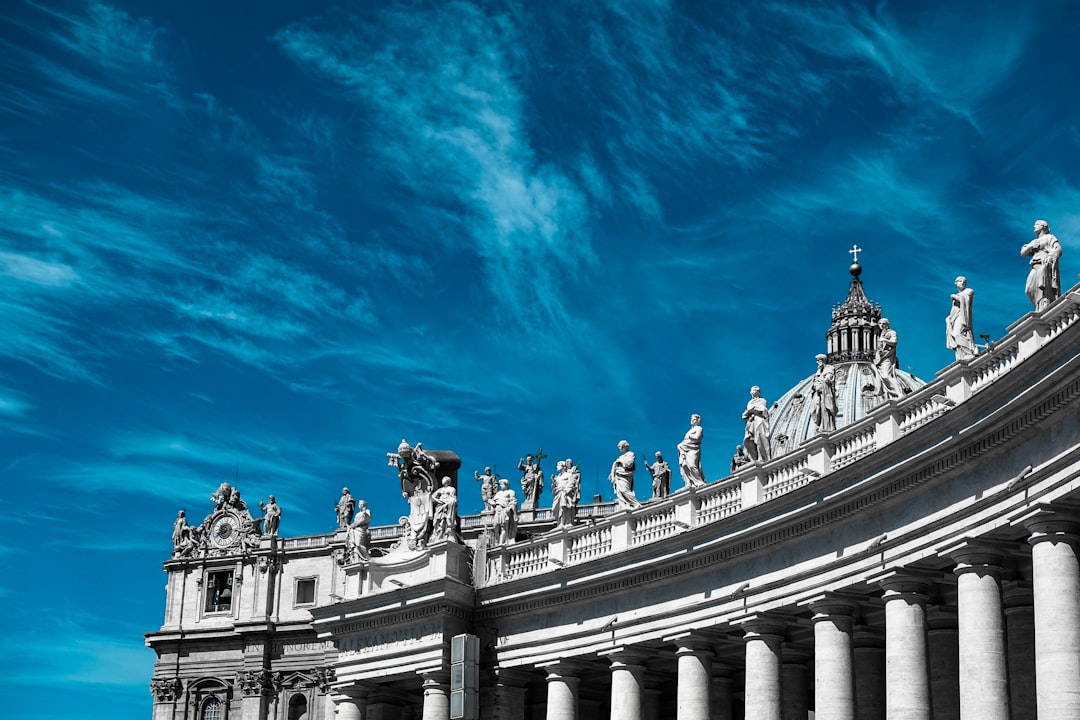
The apology, delivered during a special address at St. Peter's Basilica, represents a significant departure from previous papal statements that expressed regret for slavery without directly acknowledging the Holy See's active participation in justifying the practice through papal bulls and theological doctrines spanning centuries.
"The Holy See, through its actions and its silence, legitimized a system that treated human beings as property," Pope Leo XIV stated, according to Associated Press reports. "For this grave sin against human dignity, we ask forgiveness from God and from our brothers and sisters whose ancestors suffered under this evil."
To understand today's headlines, we must look at yesterday's decisions. The Catholic Church's relationship with slavery stretches back to the 15th century, when a series of papal bulls granted Portugal and Spain permission to enslave non-Christian peoples in newly colonized territories. The 1452 bull Dum Diversas and the 1455 bull Romanus Pontifex explicitly authorized the enslavement of "Saracens, pagans, and other enemies of Christ" in Africa and beyond.
While Pope Paul III condemned the enslavement of indigenous peoples in the Americas in 1537, and subsequent popes issued statements against certain forms of slavery, the Church never formally repudiated these earlier pronouncements until now. This theological ambiguity allowed Catholic colonial powers to justify the enslavement of millions of Africans for centuries.
The timing of Pope Leo XIV's apology comes amid intensifying global debates over reparations for slavery and colonialism. Several African and Caribbean nations have called for formal acknowledgments and material compensation from European institutions that profited from the slave trade. The Vatican's archives, which contain extensive documentation of the Church's involvement in colonial enterprises, have been the subject of requests from historians seeking fuller transparency.
Reaction from Catholic communities in the Global South has been mixed. Archbishop Laurent Monsengwo Pasinya of Kinshasa, Democratic Republic of Congo, welcomed the apology as "long overdue recognition" but emphasized that acknowledgment must be followed by concrete actions to address ongoing inequalities rooted in colonialism.
"Words of apology, while significant, cannot undo centuries of exploitation," Archbishop Monsengwo said in a statement. "The Church must now engage seriously with questions of restitution and reconciliation."
In Brazil, home to the world's largest Catholic population and a nation built substantially on enslaved African labor, Cardinal Odilo Scherer of São Paulo described the papal statement as a "necessary act of institutional humility." However, some Brazilian theologians noted that the apology stops short of committing the Vatican to supporting material reparations.
The apology also carries implications for the Church's relationship with its African dioceses, which have experienced rapid growth in recent decades. Africa now accounts for approximately 19% of the global Catholic population, with projections suggesting this proportion will continue rising. Church observers suggest that Pope Leo XIV, whose papacy has emphasized global equity and environmental justice, views this acknowledgment as essential to maintaining moral authority in regions where colonial legacies remain deeply contested.
Historians of Catholicism have noted that this apology goes further than statements by previous pontiffs. Pope John Paul II expressed "deep regret" for Catholic involvement in slavery during a 1992 visit to Senegal but did not explicitly acknowledge institutional culpability. Pope Benedict XVI also addressed slavery during his 2009 African tour, but his remarks focused on contemporary forms of human trafficking rather than historical accountability.
The Vatican announced that it would establish a commission to examine its archives and produce a comprehensive historical report on the Church's relationship with slavery, colonialism, and indigenous peoples. This commission will include historians, theologians, and representatives from affected communities.
Critics argue that the apology, while symbolically important, arrives centuries late and lacks specific commitments regarding restitution or institutional reforms. The question of whether moral acknowledgment should be accompanied by financial compensation remains deeply divisive within Catholic leadership.
As the Church grapples with declining influence in Europe and North America while gaining adherents in the Global South, Pope Leo XIV's apology represents a calculated effort to address historical grievances that continue to shape perceptions of the Catholic Church's legitimacy. Whether this gesture proves sufficient to satisfy calls for justice will depend largely on actions that follow these words.