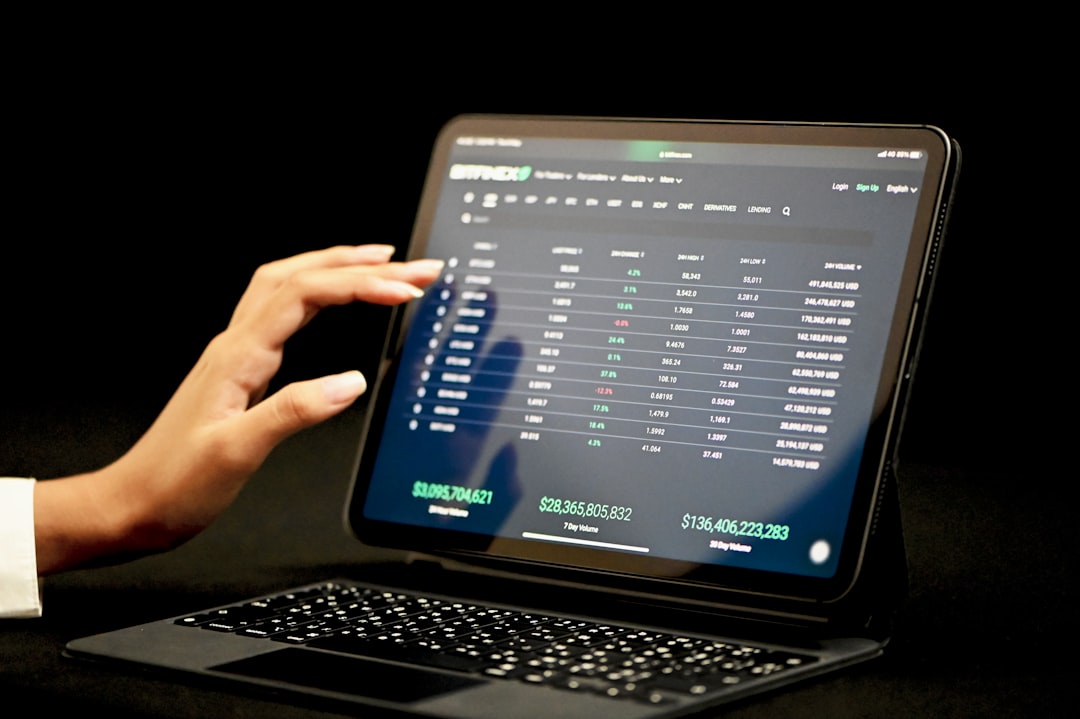
Prediction market platform Polymarket is defending its decision to allow users to bet on the Iran conflict, calling the feature "invaluable" for information gathering. Let me translate that from Silicon Valley speak: they're making money from human tragedy and dressing it up as civic engagement.
The platform, which surged in popularity during the 2024 election cycle, now hosts markets where users can wager on military strikes, casualty numbers, and geopolitical escalation. Polymarket argues these prediction markets aggregate information more efficiently than traditional analysis, giving the world real-time odds on conflict outcomes.
There's a kernel of truth buried in there. Prediction markets can be useful forecasting tools. Betting odds on elections often outperform polls. Markets price in information that experts miss. I get it.
But there's a difference between betting on who wins the Iowa caucuses and turning warfare into a casino game. When you create financial incentives around human suffering, you're not just predicting outcomes - you're potentially creating perverse incentives for bad actors to manipulate markets through violence.
The technology here is sophisticated. The market mechanisms work. The real-time information aggregation is genuinely impressive. The question is whether we should be building this at all.
I've seen this pattern before, both as a founder and a journalist. A startup builds something technically clever, then retrofits a social mission onto it when people question the ethics. Crypto exchanges weren't gambling dens, they were "democratizing finance." Surveillance tech wasn't creepy, it was "improving user experience."
Polymarket could restrict their platform to elections, economic indicators, sports - anything where the outcome doesn't involve people dying. They're choosing not to. That choice reveals what they actually value.
The market will decide whether this flies. My prediction: it won't age well.