

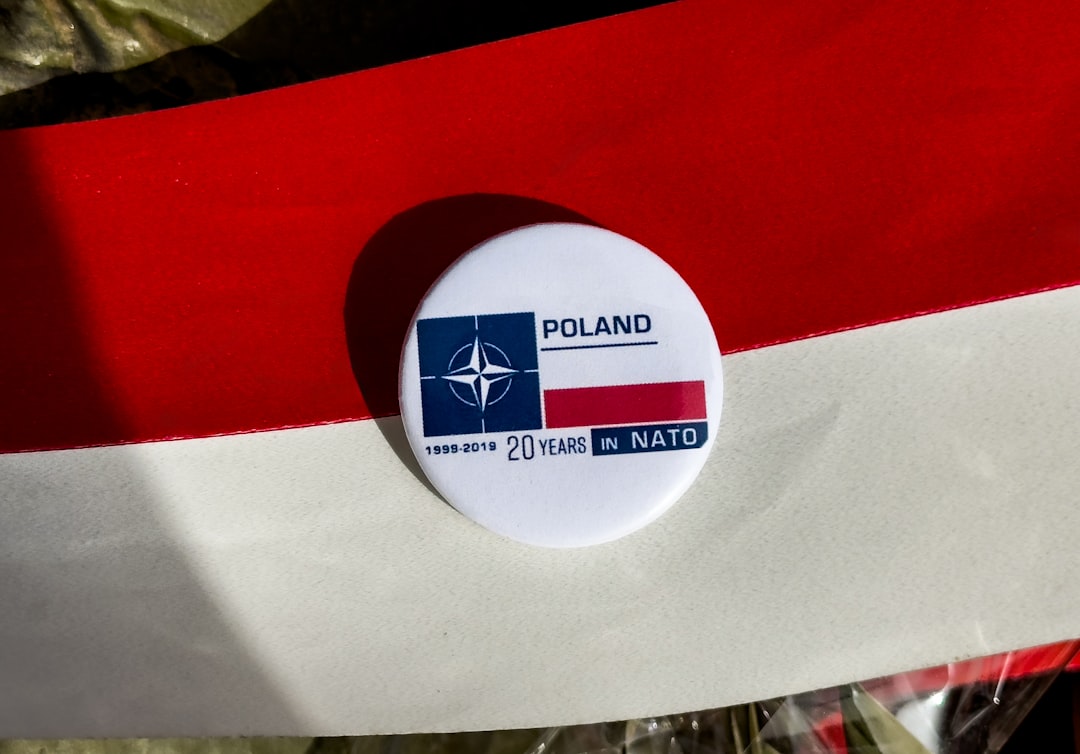
A majority of Polish citizens now view the United States as an unreliable ally, according to a new survey that underscores growing anxiety across Eastern Europe about American commitment to collective defense.
The SW Research poll, conducted January 27-28, found that 53.2 percent of Poles believe the US is no longer a trustworthy ally, compared to just 29.9 percent who maintain confidence in the transatlantic partnership. The erosion of trust cuts across most demographic groups, with distrust particularly pronounced among older Poles who lived through the Cold War era.
To understand today's headlines, we must look at yesterday's decisions. For decades, Poland has been among Washington's most steadfast European partners, deploying troops to Afghanistan and Iraq, hosting American military bases, and consistently meeting NATO's defense spending targets. The country's strategic location on the alliance's eastern flank has made it a cornerstone of Western security architecture.
Yet recent comments by President Donald Trump dismissing allied contributions in Afghanistan and Iraq have sparked outrage in Warsaw. Former Polish special forces commander Roman Polko responded forcefully, noting that 43 Polish soldiers died in Afghanistan. "We paid with blood for this alliance," Polko stated.
The survey's timing coincided with a series of controversial moves by the Trump administration that have rattled European capitals. Threats to seize Greenland by force, the extraordinary abduction of Venezuelan President Nicolás Maduro, and renewed questioning of NATO's mutual defense commitments have created what Polish officials privately describe as a crisis of confidence.
For Poland, the stakes could not be higher. The country hosts approximately 10,000 American troops—the largest US military presence in Eastern Europe—and has invested heavily in deepening defense cooperation with Washington. Polish defense spending has soared to over 4 percent of GDP, far exceeding the NATO target of 2 percent, largely to acquire American weapons systems and secure what Warsaw hoped would be an ironclad security guarantee.
That guarantee now feels less certain. Polish Foreign Minister Radosław Sikorski has carefully avoided direct criticism of the Trump administration, but other officials have been less diplomatic. "We cannot build our security on hope," one senior defense ministry official told TVP World on condition of anonymity. "We need certainty, and right now, certainty is in short supply."
The shift in Polish public opinion mirrors broader trends across NATO's eastern members. Estonia, Latvia, Lithuania, and Romania have all reported similar anxiety about American reliability, particularly as Russia maintains an aggressive posture following its invasion of Ukraine.
European leaders have responded by accelerating discussions about strategic autonomy—the concept that Europe must develop independent military capabilities rather than relying on American protection. French President Emmanuel Macron and German Chancellor Olaf Scholz have both emphasized the need for greater European defense integration, though significant obstacles remain.
For Poland, however, betting on European defense capacity remains fraught. Germany's military modernization has lagged for years, and France's focus has historically centered on operations in Africa and the Mediterranean rather than Eastern Europe. Polish officials worry that European alternatives cannot substitute for American military power, at least not in the near term.
The survey results suggest that ordinary Poles are reaching similar conclusions, albeit with mounting concern. The only demographic group maintaining majority trust in the US alliance was those with vocational education, at 44.8 percent. Even among the youngest respondents—those aged 18-24 who came of age in the post-Cold War era—distrust nearly matched trust, a striking departure from the previous generation's overwhelming pro-American sentiment.
As NATO prepares for a ministerial meeting next month, the question of American commitment to Europe will dominate discussions. For Poland, which has built its national security strategy around the transatlantic alliance, the erosion of confidence represents not merely a polling trend but a potential existential crisis.



