
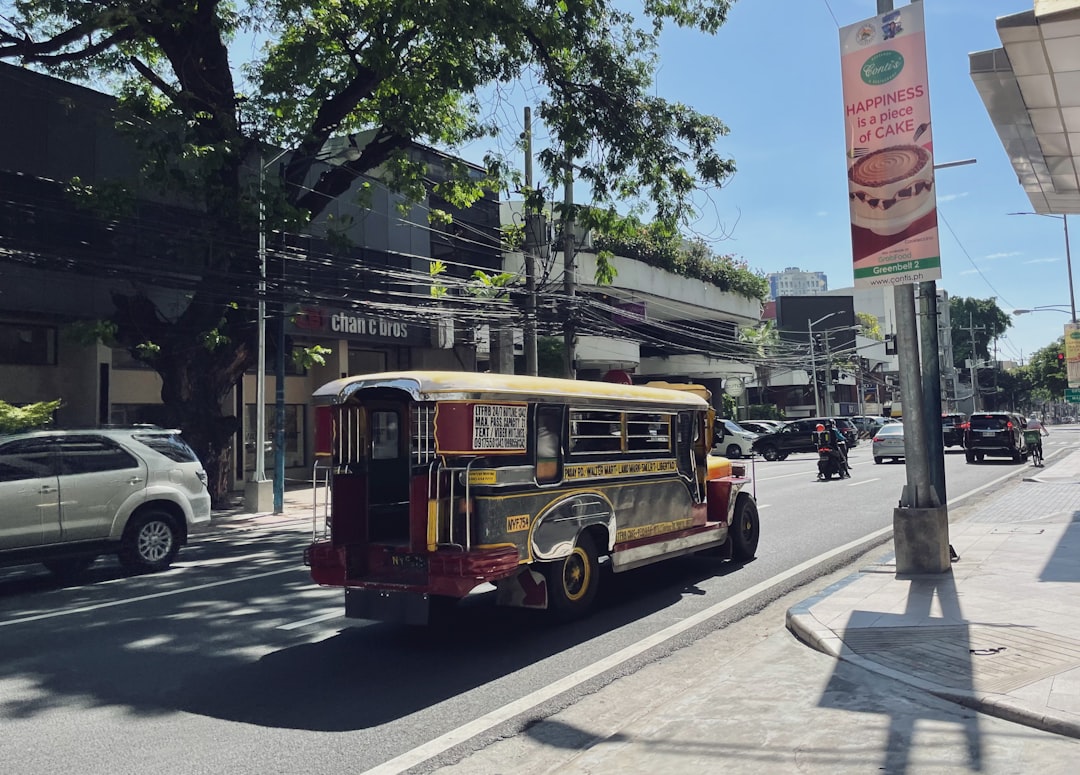
For Elmer Tano, a jeepney driver in Manila for three decades, Tuesday marked a watershed he never expected to see. Diesel prices in Metro Manila exceeded P100 per liter for the first time in history, slashing his daily take-home pay from P700 to just P300.
"Instead of earning P700, I'm bringing home P300 now," Tano told GMA Network, standing beside his brightly painted jeepney. "I skipped lunch just to have enough for my family tonight."
The milestone, confirmed by GMA Integrated News Research, reflects a global oil market shock reverberating through Southeast Asia's most vulnerable economies. But nowhere is the impact more visible than in the Philippines, where 200,000 jeepney drivers form the backbone of urban mass transit and operate on razor-thin margins that have now evaporated.
Jeepneys, the iconic elongated jeeps that ferry millions of Filipinos daily, typically consume 30-40 liters of diesel per day. At P100 per liter, fuel costs alone now exceed P3,000 daily, while drivers charge passengers just P13-15 per ride. The math no longer works.
"This is ASEAN's energy vulnerability laid bare," said Dr. Cielo Magno, an economist at the University of the Philippines, speaking to local media. "We're a net energy importer in a region where supply chains are more fragile than governments admit."
The price surge stems from multiple converging factors. Global crude oil prices have climbed above $90 per barrel amid production cuts by OPEC+ members and refining capacity constraints across Asia. The peso's depreciation - now trading near 59 to the dollar - has amplified import costs. And regional supply disruptions, including fuel shortages in Thailand and Vietnam, have tightened available supply across mainland .