
Manila — Anti-Money Laundering Council documents obtained by Bilyonaryo reveal ₱119.56 billion in transactions tied to Jonathan So, a businessman whose franchise empire allegedly masked a decade-long scheme to skim funds from flood-control projects that never materialized.
The AMLC findings, published February 4, trace a dramatic surge in large transactions beginning in 2021, precisely when Philippines ramped up infrastructure spending in response to catastrophic flooding that killed hundreds and displaced millions.
"Prior to 2021, the number of large transactions were relatively low," the AMLC report states. "But from 2021 to 2025, there was a dramatic surge in large transactions."
The agency flagged three Bulacan flood-control projects totaling ₱297 million as 'ghost' initiatives — contracts awarded, funds released, but no work performed. Investigators noted a telltale pattern: fund releases to So's corporate vehicle, One Frame, were "matched almost exactly" by purchases of manager's checks and rapid deposits into commercial accounts.
The Alleged Scheme
Former Department of Public Works and Highways engineers Brice Hernandez and Jaypee Mendoza provided sworn testimony detailing a six-step corruption model:
1. So offers DPWH officials a portion of project budgets in exchange for cooperation 2. District Engineer Henry Alcantara provides lists of upcoming projects 3. So presents lists to politicians to secure his role as "proponent" 4. The politician includes the project in the National Expenditure Program 5. So awards contracts to chosen builders 6. Facilitation fees — SOP in local parlance — are distributed among participants
The AMLC traced this pattern through three corporate shells. JC Premiere Business International, established in 2019, reported annual inflows of ₱4-6.5 billion yet declared ₱98 million in losses in 2022. Black Hardhat received substantial DPWH credits until fund releases abruptly ceased in 2024. One Frame, created in 2023, became the primary conduit for Bulacan ghost projects.
The Human Cost
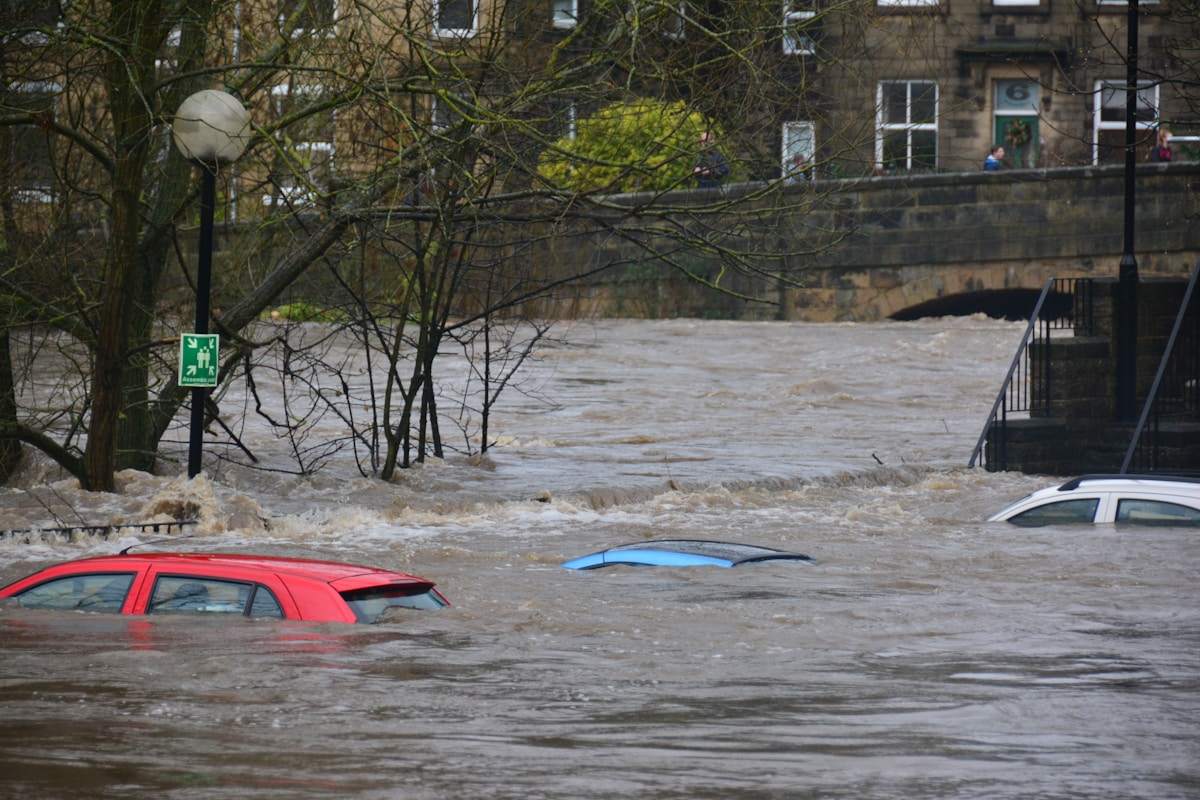
The alleged fraud carries consequences beyond ledgers. Bulacan province experienced severe flooding in 2020, 2022, and 2024, with inadequate drainage infrastructure contributing to economic losses estimated at ₱15 billion and dozens of flood-related deaths.
Meanwhile, AMLC investigators documented 56 bank accounts held by So's mother, described in filings as "an unemployed senior citizen with no clear source of income." A joint account controlled by family members received ₱104.985 million from One Frame and ₱1.937 billion from So's cousin.
The case illustrates a pattern endemic across Southeast Asia: infrastructure corruption that transforms disaster preparedness budgets into vehicles for elite enrichment. Ten countries, 700 million people, one region — and for the residents of flood-prone Bulacan, the difference between a functioning drainage system and a ghost contract can mean the difference between safety and catastrophe.