
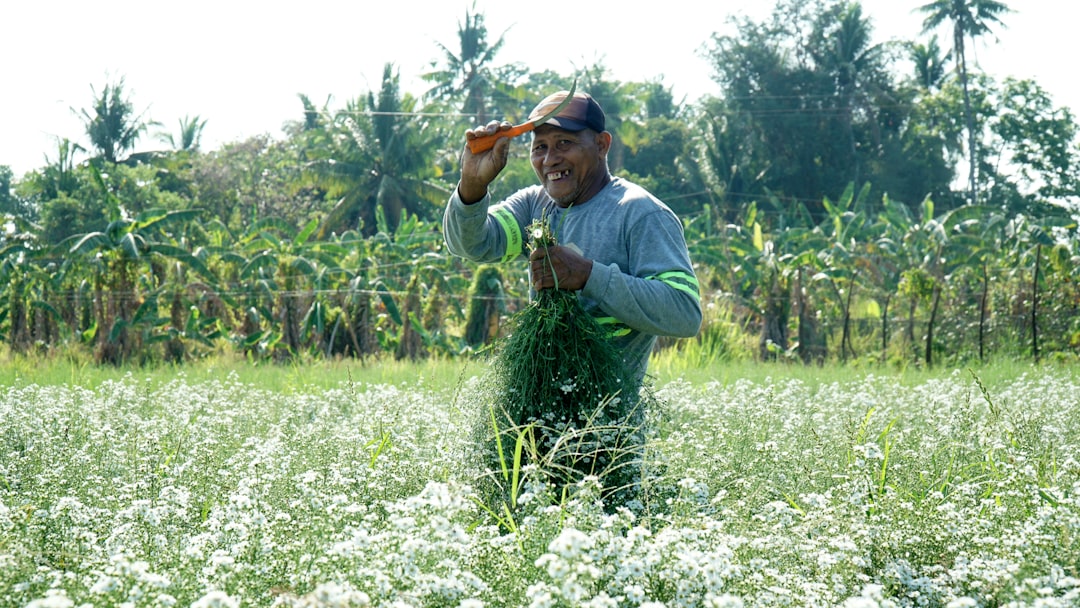
Farmers who traveled to Manila for a scheduled Senate agriculture hearing Tuesday arrived to find it canceled, a casualty of the political upheaval that saw the Philippine Senate reorganize its leadership and grant protective custody to an ICC-wanted senator the night before.
The abrupt cancellation left agricultural advocates and farming representatives who had made the journey from provinces across the archipelago with no platform to share their concerns. Chef Waya Araos-Wijangco, a prominent farmer advocate, captured the frustration: "The senators have shown us clearly who they represent: themselves, their dynasties, their ambitions, their interests."
Senator Kiko Pangilinan, who chaired the Committee on Agriculture before Monday's leadership coup stripped him of that position, apologized for the postponement. "The Senate reorganization is a temporary setback. It will not in any way dampen our resolve to fight for our farmers and fisherfolk and the agri sector," he wrote on social media.
But temporary setbacks compound when agriculture is already in crisis. Philippine farmers face mounting input costs, inadequate irrigation infrastructure, vulnerability to typhoons and drought, competition from cheaper imports, and a policy environment that has historically prioritized urban consumers over rural producers.
The canceled hearing was meant to address some of those structural problems. Instead, senators spent Monday evening orchestrating a supermajority realignment that installed Alan Peter Cayetano as Senate President, restructured committee assignments to favor pro-Duterte senators, and triggered a standoff with National Bureau of Investigation agents attempting to arrest Senator Bato dela Rosa.
The disconnect could hardly be more stark. While senators postured about institutional prerogatives and legislative immunity, the farmers who fund the country through their labor—and who depend on the Senate to pass policies that might make farming economically viable—sat in Manila with nowhere to go and no one to listen.
Philippine agriculture employs roughly 25 percent of the workforce but contributes less than 10 percent of GDP, a disparity that reflects decades of underinvestment and policy neglect. Rice self-sufficiency remains elusive despite it being a staple of every Filipino meal. Coconut farmers, who produce one of the country's historic export crops, often live in poverty. Sugar production faces boom-bust cycles driven by policy whiplash.
Recent controversies have only deepened the dysfunction. The Department of Agriculture faced corruption allegations over fertilizer subsidies. Rice import quotas became a political football, with consumer advocates demanding cheaper imports while farmers warn that flooding the market with foreign rice will destroy local production. Infrastructure spending that might improve farm-to-market roads or irrigation systems gets siphoned off or delayed.
Against that backdrop, a canceled hearing might seem minor. But it's symbolic of a larger failure: the Philippine political system's inability to prioritize governance when political theater offers more immediate rewards.
Pangilinan, who previously served as Secretary of Agriculture and Food, has been one of the Senate's more consistent voices on agricultural issues. His removal from the committee chairmanship as part of Monday's reorganization signals that agriculture policy will take a backseat to political consolidation. His replacement has not been announced, but the new pro-Duterte majority is unlikely to prioritize food security over protecting their coalition.
For Araos-Wijangco and the farmers who made the trip, the message is clear. The Senate doesn't represent them. It represents the dynasties that compete for control, the political ambitions that drive realignments, and the personal interests of senators who prioritize protecting a colleague from international arrest warrants over hearing from constituents about how to grow food sustainably.
The broader implications extend beyond one missed hearing. Philippine agriculture needs policy reform—on land tenure, on irrigation investment, on crop insurance, on market access. It needs a coherent strategy that acknowledges farming must be profitable if the country wants food security. It needs senators who treat agriculture as something more important than a committee assignment to be reshuffled when political winds shift.
Instead, it has a Senate that cancels agriculture hearings because it's too busy navigating political coups and ICC arrest warrants.
Pangilinan promises the reorganization won't dampen his resolve. That's admirable. But resolve without institutional power means little in a legislative body where committee chairs control agendas and supermajorities can block anything they want. The farmers who returned home Tuesday without being heard understand that better than most.
Ten countries, 700 million people, one region—and in the Philippines, a government that can't spare a day to listen to the people who feed the nation because it's too busy protecting a senator accused of crimes against humanity. The political dysfunction is almost perfect.