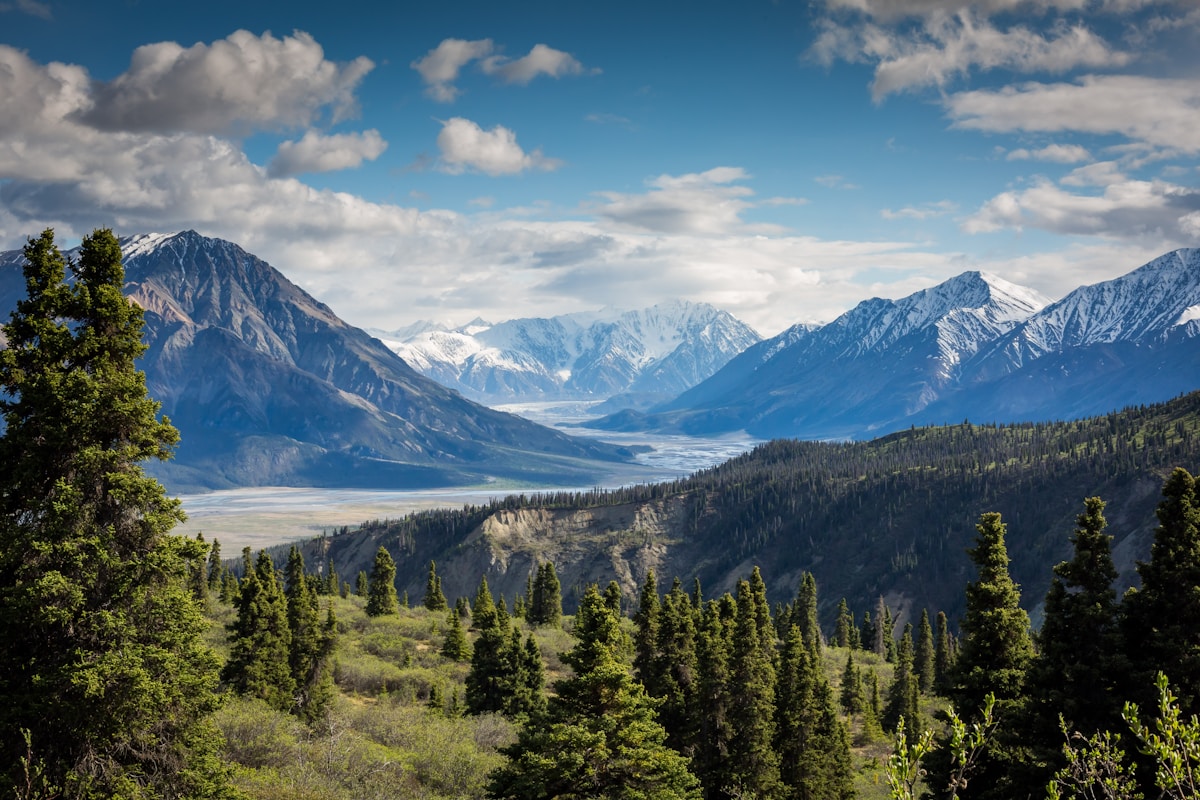
Peru has quietly implemented a new regulation that's pricing out budget backpackers from one of South America's most spectacular high-altitude treks. As of January 2026, the Huayhuash Circuit now requires certified guides—a change that's sending budget-conscious hikers scrambling for alternatives.
The news broke through traveler reports on Reddit's r/Shoestring community, where a group of experienced hikers studying in Cusco discovered their DIY trek plans were no longer viable. Guided tours now start at $700+ per person, compared to the previous independent approach that cost a fraction of that amount.
"We would really rather not use a guide—both for money reasons and because we don't want to have someone carrying our stuff and cooking for us," wrote one frustrated hiker planning a June trek. The group, already acclimatized from living at altitude in Cusco for four months, found themselves caught between their capabilities and new bureaucratic requirements.
The Huayhuash Trek, a 8-10 day circuit through the Cordillera Huayhuash mountain range, has long been considered one of the world's most stunning high-altitude hikes. Unlike the heavily touristed Inca Trail, it offered experienced hikers the freedom to trek independently through pristine mountain landscapes.
The guide requirement follows a growing trend across popular trekking destinations. Nepal implemented similar rules for solo trekkers in certain regions, and Indonesia requires guides for many national park treks. Officials cite safety concerns and community economic benefits, though critics argue these regulations primarily benefit tour operators while excluding budget travelers.
For hikers still determined to tackle Huayhuash, there may be options beyond expensive package tours. Reports from four years ago suggested significantly cheaper guides could be found in Huaraz, the gateway town to the trek, rather than booking through international operators. Whether this remains accurate in 2026 is unclear, and showing up without advance arrangements carries obvious risks.
Travelers seeking alternatives to Huayhuash have several options in Peru. The Santa Cruz Trek in the Cordillera Blanca remains available for independent hikers, offering spectacular Andean scenery over 3-4 days. The Ausangate Circuit near Cusco, while challenging, doesn't currently require guides. And the Salkantay Trek to Machu Picchu can still be done independently, though most travelers opt for organized groups.
The situation highlights a broader tension in adventure travel: balancing accessibility with sustainability and safety. While guide requirements do create local employment and potentially reduce rescue operations, they fundamentally change who can afford these experiences. For budget backpackers who've spent months learning mountaineering skills and building altitude acclimatization, mandatory guided tours feel like an expensive and unnecessary requirement.
The best advice for now: contact trek agencies directly in Huaraz upon arrival and inquire about "chill" guide options—someone who accompanies the group without the full porter, chef, and donkey entourage. Prices may be negotiable in person, particularly in shoulder season. And for truly budget-conscious hikers, it may be time to shift focus to the many incredible Peruvian treks that still welcome independent adventurers.