A detailed two-month backpacking route through South America is giving travelers a realistic blueprint for exploring Peru, Bolivia, and northern Chile—complete with logistics, highlights, and practical warnings.
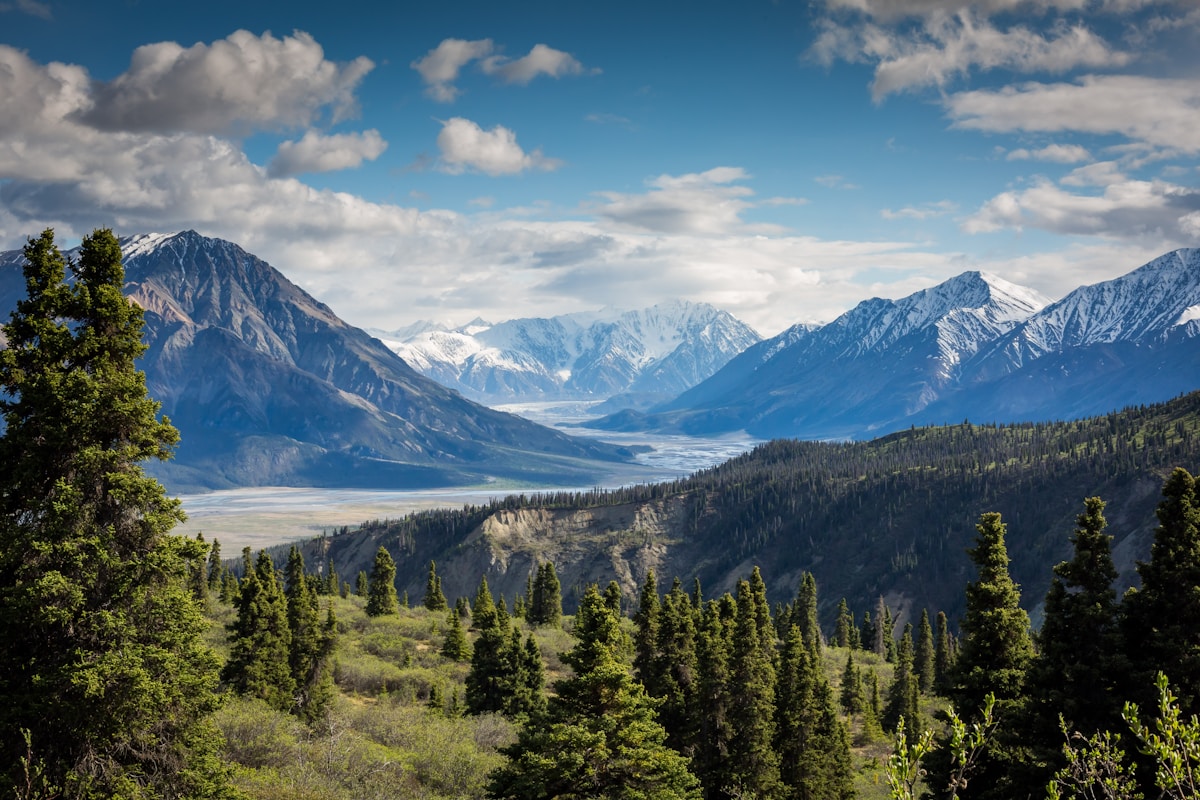
The route shared on r/backpacking covers some of the continent's most dramatic landscapes: from Machu Picchu to the Salar de Uyuni salt flats to the Atacama Desert, with multiple high-altitude treks.
The Route Breakdown
Peru - First Two Weeks: Lima → Cusco → Salkantay Trek to Machu Picchu → Sacred Valley → Rainbow Mountain → Lake Titicaca
Bolivia: Copacabana → La Paz → Salar de Uyuni
Northern Chile: San Pedro de Atacama → Valle de la Luna → Cerro Toco → Piedras Rojas y Lagunas Altiplánicas → Arica
Peru - Final Three Weeks: Tacna → Arequipa → Colca Canyon → Nazca Lines → Huacachina → Paracas & Ballestas Islands → Huaraz → Huayhuash Trek → Lima
The traveler flew only once—Lima to Cusco—using day and night buses for all other transportation.
Critical Altitude Advice
"If you're traveling to Cusco, take it easy the first couple of days and get used to the higher altitude," the guide warns. "Otherwise, you might experience altitude sickness, get headaches and ruin part of your trip."
This isn't overcautious advice. Cusco sits at 11,150 feet. Many travelers fly directly from sea level and immediately try to sightsee, which frequently results in debilitating headaches, nausea, and fatigue.
The Cordillera Huayhuash trek is highlighted as the trip's standout experience—but also its most challenging. The eight-day trek isn't beginner-friendly and requires proper acclimatization.
Cultural Experiences
The route emphasizes cultural immersion alongside natural highlights. Recommendations include learning basic Spanish phrases and spending a night on one of the Uros Islands on Lake Titicaca—the world's highest navigable lake—to learn about Quechua culture.
Practical Tips
Don't overpack. The guide recommends using local laundry shops rather than carrying excessive clothing.
Night buses save money but require selecting reputable companies. Safety and comfort vary dramatically between operators.
Many of the highlights are free or low-cost. The biggest expenses are organized treks and entrance fees to major sites like Machu Picchu.
Who This Route Works For
This itinerary suits travelers comfortable with: - Significant time at high altitude - Multi-day hiking with full packs - Basic Spanish or willingness to navigate language barriers - Simple accommodation and long bus journeys
It's not ideal for those seeking luxury, beach time, or avoiding physical challenges.
The Huayhuash Highlight
"The Cordillera Huayhuash trek was my favorite multi-day hike during my two-month backpacking trip," according to the detailed account. "If you're into hiking and don't suffer from altitude sickness, I highly recommend this trek."
The full guide provides detailed logistics, accommodation recommendations, and cost breakdowns for travelers planning similar routes.
For those seeking South America's dramatic landscapes without typical tourist crowds, this route delivers. Just respect the altitude, give yourself time to acclimatize, and prepare for some of the continent's most spectacular scenery.
The best travel isn't about the destination - it's about what you learn along the way. In the high Andes, you learn your physical limits quickly.