
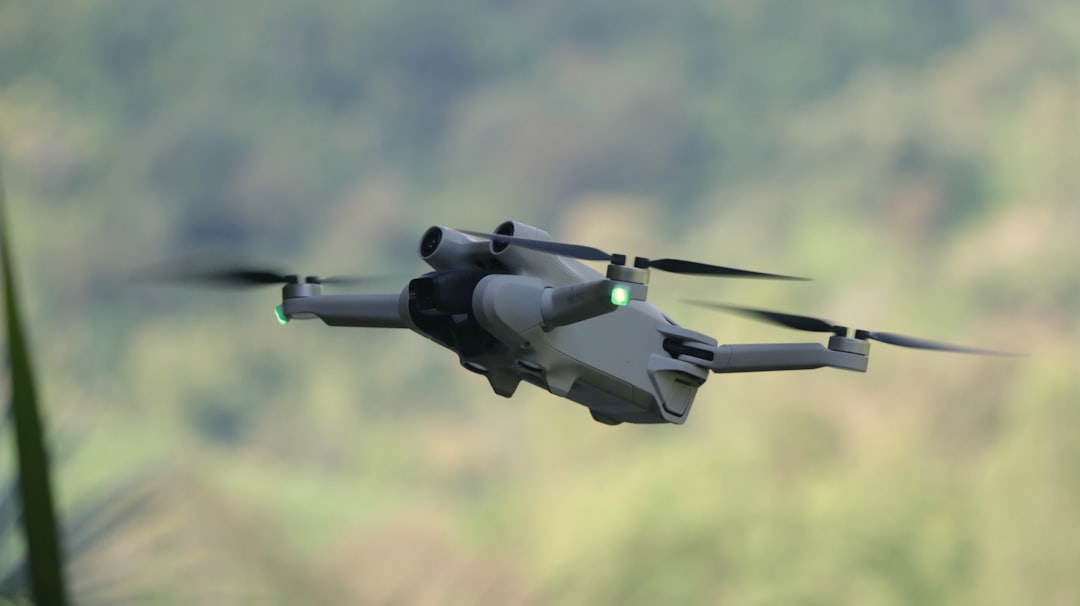
The United States Department of Defense has selected Ukrainian drone manufacturer F-Drones to supply unmanned systems to the Pentagon, marking a historic shift in Ukraine's transformation from aid recipient to defense technology exporter, according to reports from the New York Times.
The selection, which saw F-Drones chosen from dozens of international competitors, represents Pentagon validation of Ukrainian defense innovation forged in the crucible of active combat against Russian forces. The Kyiv-based company manufactures three primary systems: the F7 and F10 first-person-view (FPV) combat drones, and the LITAVR interceptor designed to counter Iranian-designed Shahed attack UAVs.
Industry analysts noted that F-Drones' F7 model was rated the most effective drone on the front lines in 2025, demonstrating combat-proven capabilities that traditional defense contractors cannot replicate in laboratory conditions. The company's rapid iteration cycle—driven by direct feedback from Ukrainian soldiers—has produced platforms optimized for electronic warfare environments, extreme weather conditions, and counter-drone operations.
The Pentagon contract signals broader recognition that Ukraine's defense industrial base has evolved from emergency production to global competitiveness. Ukrainian manufacturers have compressed development timelines that typically span years in Western defense procurement into months, producing cost-effective systems that have destroyed billions of dollars in Russian armor and infrastructure.
"This is not charity—this is competition," said defense industry sources familiar with the selection process. "F-Drones won because their systems outperform alternatives at a fraction of the cost. Pentagon evaluators saw what Ukrainian forces have demonstrated for three years: these platforms work in the world's most contested airspace."
In Ukraine, as across nations defending their sovereignty, resilience is not just survival—it's determination to build a better future. The F-Drones contract represents both immediate operational validation and long-term strategic positioning, as Kyiv seeks to establish itself as a defense technology hub integrated with NATO supply chains.