
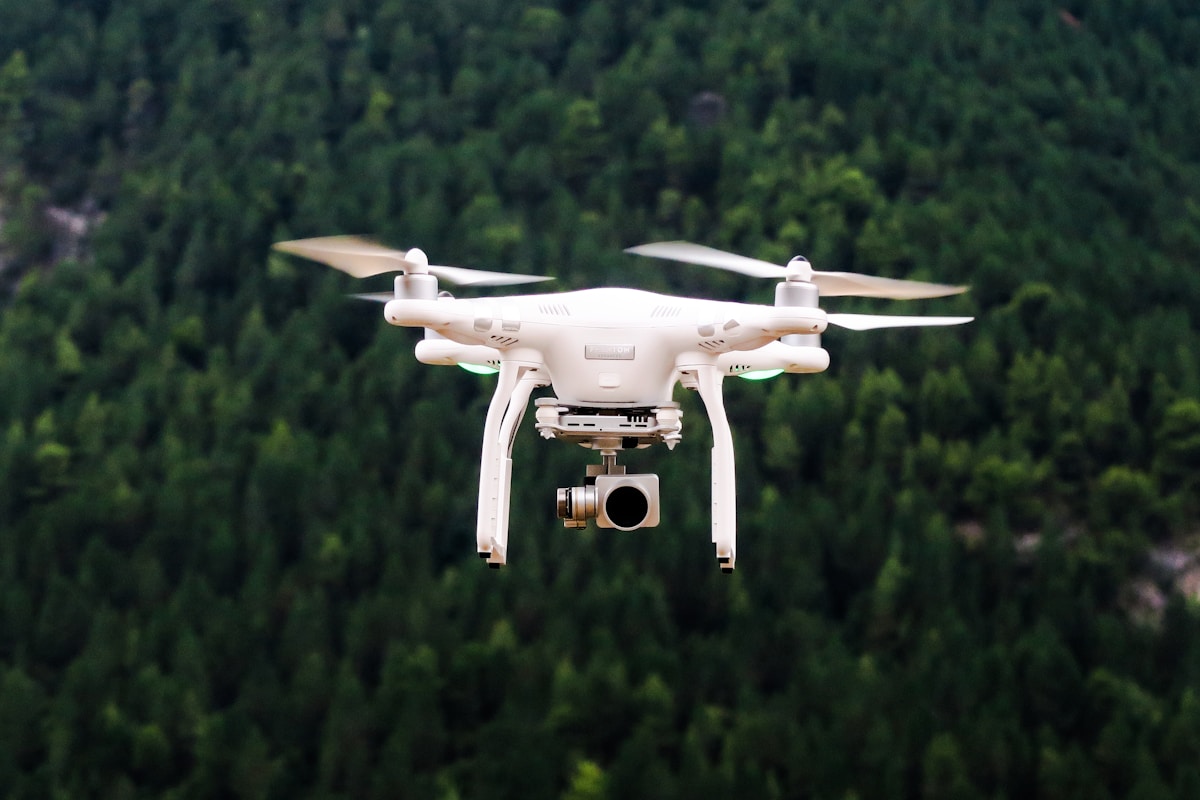
The Pentagon and potentially one or more Gulf states are in talks with Ukraine to purchase Ukrainian-made drone interceptors, according to a report in the Financial Times, as the Iran conflict exposes critical gaps in American air defense capabilities against cheap kamikaze drones.
The irony is unmistakable: after months of the Trump administration cutting military aid to Ukraine and publicly blaming President Volodymyr Zelenskyy for depleting US weapons stocks, American military officials now turn to Kyiv for technology developed on Ukrainian battlefields.
Ukrainian drone interceptors have proven to be among the most cost-effective methods for neutralizing the Iranian-designed Shahed kamikaze drones that Russia has deployed against Ukrainian cities for more than two years. The same drone technology is now being used by Iran against American positions and allied nations in the Middle East.
"Ukraine has become the world's leading laboratory for drone warfare, both offensive and defensive," said Mykhailo Fedorov, Ukraine's Minister of Digital Transformation, in recent remarks. "We've had no choice but to innovate. Now that innovation has value far beyond our borders."
The Ukrainian STING interceptor drone, developed by the "Wild Hornets" unit, has demonstrated consistent success in destroying Shahed drones during Russian attacks. Fox News inadvertently highlighted the technology's effectiveness this week when it broadcast footage of Ukrainian interceptor drones, mistakenly presenting them as American systems.
The incident underscores a broader truth often overlooked in Western media coverage: Ukraine is not merely a recipient of military aid but an active defense innovator whose battlefield experience provides lessons other nations desperately need.
For Ukraine, the potential sale represents valuable leverage and revenue at a moment when American military support has become unreliable. Reports indicate that Ukrainian F-16 fighters were denied air-to-air missiles for weeks as the Trump administration attempted to pressure Kyiv into accepting unfavorable peace terms with Russia.
"We've been fighting this threat for over two years while developing solutions on a fraction of the budget available to the Pentagon," said a Ukrainian defense industry official who requested anonymity to discuss sensitive negotiations. "Now they need what we've built."
The drone technology discussions come as Iran's missile and drone capabilities create urgent demands for air defense systems globally. Ukrainian interceptor drones cost a fraction of traditional air defense missiles while providing effective defense against small, low-flying kamikaze drones that larger systems struggle to target economically.
In Ukraine, as across nations defending their sovereignty, resilience is not just survival—it's determination to build a better future. The battlefield innovations born of necessity now position Ukraine as a crucial defense technology supplier, transforming the nation's role from aid recipient to strategic partner.
However, the potential benefits come with complications. Increased global demand for air defense systems—including Ukrainian-made interceptors—could make it more difficult for Ukraine to purchase needed equipment for its own defense, particularly if the Iran conflict escalates and continues for an extended period.
Still, Ukrainian officials view the development positively, emphasizing that demonstrating technological capability and battlefield effectiveness strengthens the nation's long-term security partnerships. "When the war ends, Ukraine will be a defense technology leader," said one official. "That's strategic value beyond any single weapons sale."
The Pentagon has not officially confirmed the negotiations, though military sources acknowledge ongoing discussions with multiple drone technology suppliers as threats evolve in the Middle East.