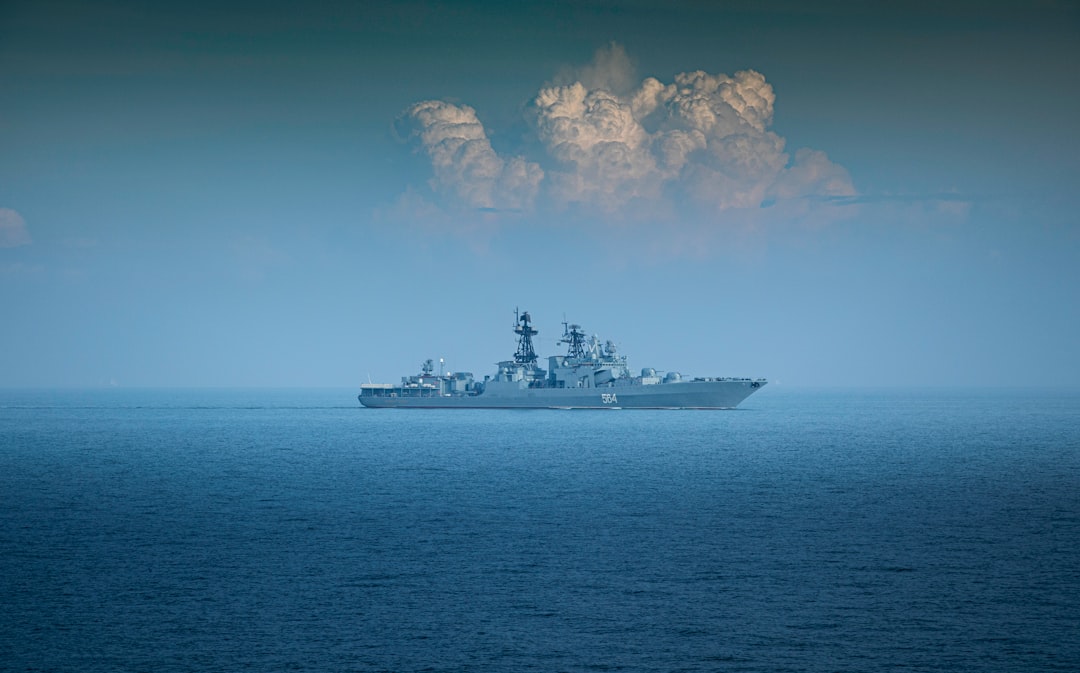
The United States military has quietly assembled the largest naval presence in the Caribbean outside the Middle East, positioning forces that could launch a military operation against Cuba within hours if President Donald Trump gives the final authorization, according to U.S. defense officials.
The military buildup follows months of unsuccessful economic pressure aimed at toppling the Communist government in Havana. The Pentagon's enhanced Caribbean posture represents the most serious threat of U.S. military action in Latin America in decades, raising alarm among regional allies and reviving memories of past intervention attempts.
To understand today's headlines, we must look at yesterday's decisions. The current crisis echoes the failed Bay of Pigs invasion of 1961, when Cuban exiles backed by the CIA attempted to overthrow Fidel Castro's government. That operation ended in humiliation for Washington and strengthened Castro's grip on power for another half-century.
According to Politico, which first reported the military positioning, Navy vessels and amphibious assault ships have been deployed throughout the region under the guise of routine operations and counter-narcotics missions. The buildup has occurred gradually over several months, avoiding the attention that a sudden deployment would generate.
Trump has repeatedly expressed frustration with the persistence of Cuba's Communist government, particularly after economic sanctions failed to produce the regime change he sought. In private discussions with military advisers, the president has asked whether a swift military operation could succeed where economic pressure has not, according to sources familiar with the conversations.
The military preparations come as Cuba faces its worst economic crisis since the collapse of the Soviet Union in the early 1990s. Widespread power outages, food shortages, and deteriorating infrastructure have triggered the largest wave of Cuban migration to the since the 1980 Mariel boatlift.