Defense Secretary Pete Hegseth confirmed the United States blockade on Iran is expanding worldwide, marking a dramatic escalation in tensions following recent military conflict in the region, according to Reuters. The move represents the most aggressive American posture toward Tehran in decades and raises immediate concerns about global oil markets and the potential for broader military confrontation.
To understand today's headlines, we must look at yesterday's decisions. The current crisis follows weeks of military exchanges between Iran and Israel, with American forces providing intelligence and defensive support to the Israeli military. The escalation has already disrupted energy supplies and triggered significant economic consequences across Europe, as German industrial output demonstrates the ripple effects of Middle Eastern instability.
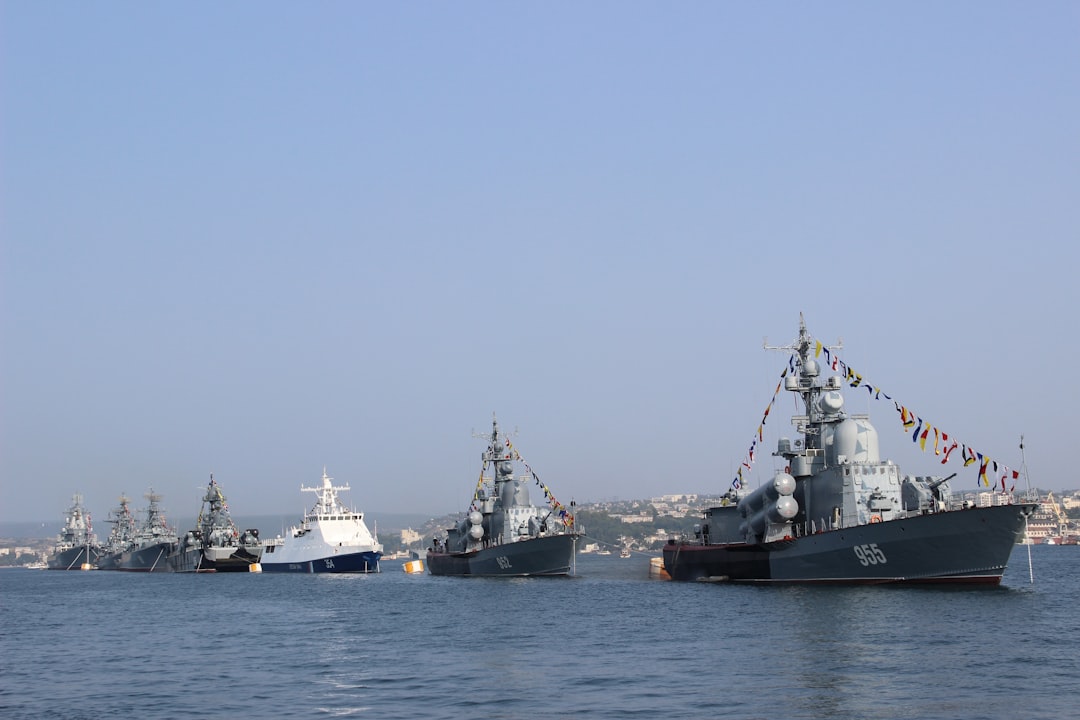
The blockade, which Hegseth described as "going global," will extend beyond the Persian Gulf to encompass international shipping routes where Iranian vessels operate. The Pentagon has not disclosed specific operational details, but defense analysts anticipate increased naval patrols in the Arabian Sea, Red Sea, and potentially the Mediterranean. Such operations would require coordination with allied navies and raise complex questions about international maritime law.
Oil prices have already surged nearly 73 percent year-to-date as markets anticipate supply disruptions. Iran exports approximately 1.5 million barrels per day, primarily to China and other Asian markets that have continued purchasing Iranian crude despite previous American sanctions. A comprehensive blockade would force these buyers to seek alternative suppliers, potentially straining global production capacity.
International response to the blockade announcement has been measured. European allies, while supporting pressure on Tehran, have expressed private concerns about economic fallout and the risk of military miscalculation. China and Russia, both of which maintain close economic ties with Iran, have condemned the American action as "illegal" and "provocative."
The blockade represents a significant escalation from previous maximum pressure campaigns. During the Trump administration's withdrawal from the Joint Comprehensive Plan of Action in 2018, Washington relied primarily on financial sanctions rather than physical interdiction of shipping. The shift to active naval blockade suggests the current administration believes diplomatic and economic measures have proven insufficient.
Hegseth indicated Iran still has "a chance to make a good deal," suggesting the blockade may be intended partly as coercive diplomacy rather than a permanent strategic posture. However, Iranian officials have historically responded to American pressure with defiance rather than concessions, raising questions about the policy's ultimate objectives and timeline.