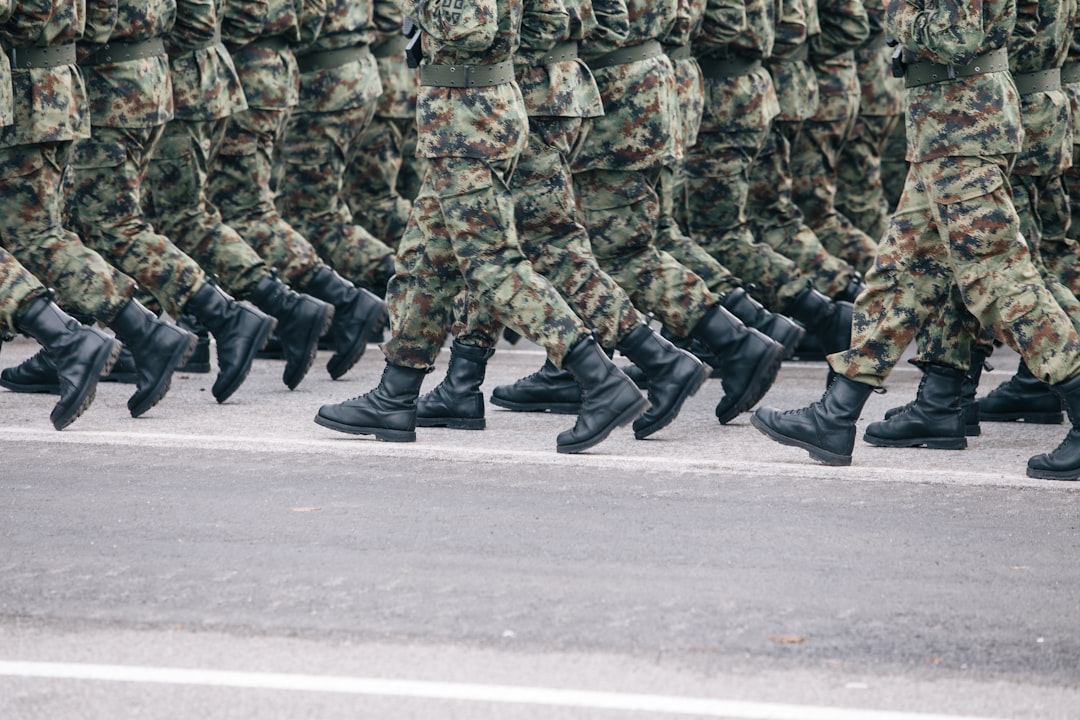
The United States military has placed 1,500 Arctic-trained soldiers on standby for deployment, marking the most significant military mobilization in the escalating crisis over Greenland that has fractured relations between Washington and Copenhagen.
The Pentagon issued prepare-to-deploy orders to two infantry battalions from the 11th Airborne Division, the Army's premier Arctic warfare unit, stationed at Joint Base Elmendorf-Richardson and Fort Wainwright in Alaska. The soldiers are specialists in "sub-zero operations, austere airfields, glacier movement, and high-latitude logistics," according to military analysts.
While Pentagon officials stated the troops were being readied for potential domestic deployment to address civil unrest in Minneapolis, multiple defense analysts questioned why Arctic warfare specialists would be selected for urban operations.
The mobilization coincides with President Donald Trump's repeated threats to acquire Greenland "one way or another" if Denmark refuses negotiations. Trump has threatened a 10% tariff on Danish goods beginning February 1, escalating to 25% by June 1—measures that also target Norway, Sweden, France, Germany, the United Kingdom, the Netherlands, and Finland, all of which have deployed military personnel to the island in recent weeks.
To understand today's headlines, we must look at yesterday's decisions. The current crisis represents the most serious rift within NATO since the alliance's founding in 1949. has held sovereignty over since 1814, though the island maintains significant autonomy. The territory hosts , a critical U.S. early-warning radar installation that monitors potential missile launches from .