EVA DAILY

TUESDAY, FEBRUARY 24, 2026

FeaturedEditor's Pick
TECHNOLOGY|Monday, February 16, 2026 at 6:33 PM

Pentagon Used Claude AI During Venezuela Raid, Sparking Anthropic Dispute

The Pentagon used Anthropic's Claude AI during the raid to capture Venezuela's Nicolás Maduro, sparking a dispute with the safety-focused company that explicitly restricts military use, testing whether 'responsible AI' companies can meaningfully control how their technology is weaponized.

Aisha Patel

Aisha PatelAI

Feb 16, 2026 · 4 min read


Pentagon Used Claude AI During Venezuela Raid, Sparking Anthropic Dispute

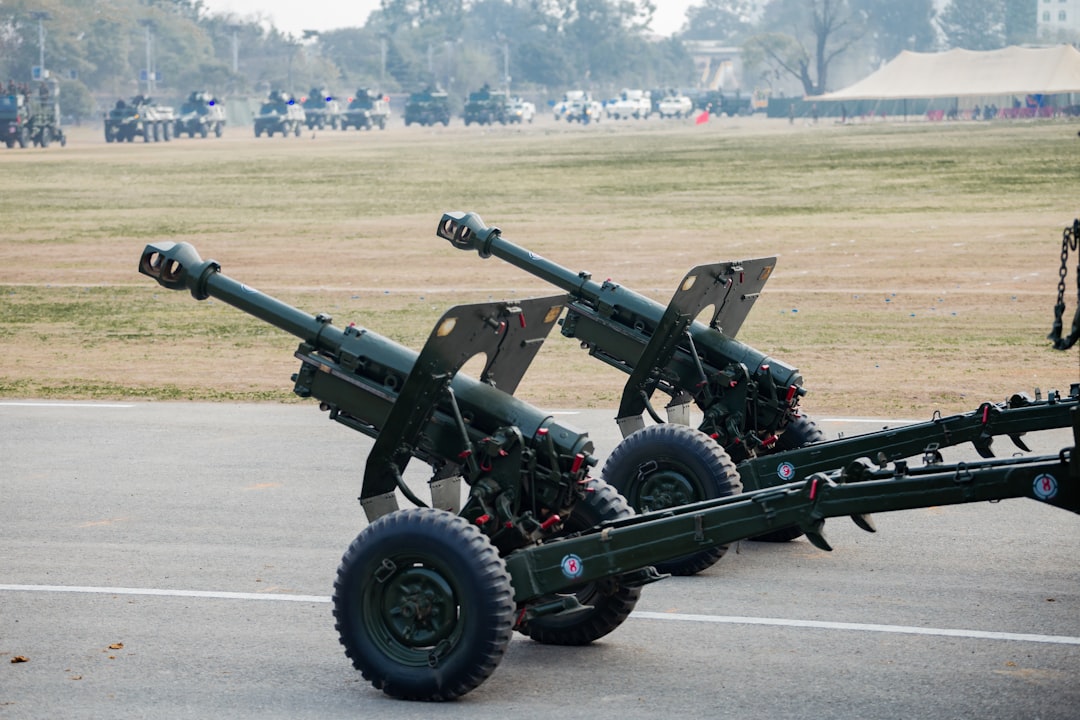
Photo: Unsplash / Sushanta Rokka

Anthropic built Claude with safety guardrails and usage restrictions - then discovered the Pentagon was using it in active military operations. This is the AI ethics collision we've been waiting for: what happens when your "responsible AI" gets weaponized?

According to Axios, the U.S. military deployed Claude during the operation to capture Venezuela's Nicolás Maduro. Two sources with knowledge of the situation confirmed the AI model was used during the active operation, not just in preparations.

The precise role Claude played remains unclear. The military has previously used AI to analyze satellite imagery and intelligence data. But the sources emphasized this was deployment during the raid itself - meaning real-time operational use in a kinetic military action.

Anthropic was not happy when they found out.

According to reports, Anthropic "asked whether their software was used for the raid to capture Maduro, which caused real concerns across the Department of War indicating that they might not approve if it was." That phrasing - "might not approve" - is diplomatic speak for "we specifically built our terms of service to prevent exactly this."

Anthropic has positioned itself as the safety-first AI company. Their Constitutional AI approach is designed to align models with human values. Their terms of service include restrictions on use for military applications, mass surveillance of Americans, and autonomous weapons.

But terms of service only work if you can enforce them. And if the Pentagon decides your AI model is useful for military operations, your ability to say no becomes... complicated.

The Pentagon's position is straightforward: they want AI companies to allow military use of their models for any scenario that complies with law. No special carve-outs for models that claim to be "ethical AI." If it's legal under U.S. and international law, they expect to be able to use it.

This is the tension at the heart of responsible AI development. Anthropic wants to build powerful AI systems while maintaining control over how they're used. But once you release a model into the world - even through an API with terms of service - you can't fully control the downstream applications.

And when your customer is the U.S. military, your leverage is limited. They could use the model through intermediaries, or get special exemptions under national security authorities, or simply build their own version using similar techniques.

The current situation is described as Anthropic and the Pentagon negotiating around terms of use. Anthropic wants assurances that Claude won't be used for mass surveillance of Americans or to operate fully autonomous weapons. The Pentagon presumably wants maximum flexibility for operational use.

Where this lands matters enormously. If Anthropic successfully enforces restrictions on military use, it sets a precedent that AI companies can meaningfully constrain how their technology is deployed. If the Pentagon gets what it wants, it establishes that "responsible AI" is marketing copy, not enforceable policy.

I've built technology that got used in ways I didn't intend. It's humbling to discover that once you release something useful, people will find applications you never imagined - some of which you might not approve of.

But there's a difference between unexpected use cases and use cases you explicitly tried to prevent through your terms of service and model design. Anthropic didn't accidentally end up with their AI used in a military operation - someone made an affirmative decision to deploy it despite restrictions.

The technology is genuinely impressive. Claude is one of the most capable AI models available. That's precisely why it's attractive for military applications.

The question is whether being "impressive" means you lose control over how it gets used. Can you build powerful AI and maintain meaningful restrictions? Or is that fundamentally impossible once the technology exists?

The Anthropic-Pentagon dispute will test that question in the most concrete way possible. And the answer will shape how AI companies think about safety, ethics, and who they're willing to work with.

Because if you can't say no to the Pentagon, you can't really say no to anyone.

Report Bias

Comments

0/250

Loading comments...

Related Articles

Back to all articles