
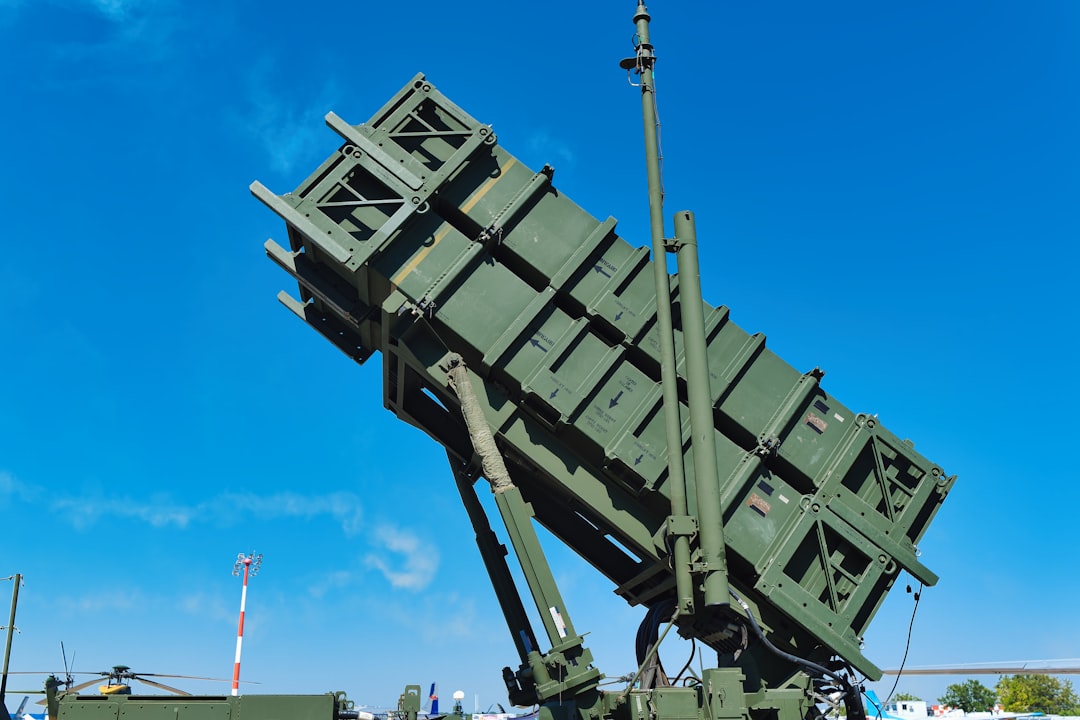
A Reuters investigation has concluded that the devastating explosion at Mahazza, Bahrain earlier this month was likely caused by a US-operated Patriot missile, not an Iranian drone as claimed by American and Bahraini officials—raising serious questions about the evidentiary basis for escalating military operations against Iran.
The March 10 blast, which killed seven people and injured dozens more, was immediately attributed by Washington and Manama to an Iranian drone strike. The incident became a cornerstone justification for expanded US military operations in the Gulf. Yet neither government has provided evidence that an Iranian drone was involved, according to the investigation.
Multiple weapons experts who analyzed debris imagery and blast patterns told Reuters the damage is consistent with a Patriot air defense interceptor malfunction rather than an incoming drone strike. The investigation found fragments bearing markings consistent with US-manufactured PAC-3 missiles, which are operated exclusively by American forces at the Bahrain base where the incident occurred.
This isn't the first time Patriot systems have been implicated in friendly-fire incidents. In this region, today's headline is yesterday's history repeating—during the 2003 Iraq invasion, Patriot batteries shot down two coalition aircraft and caused multiple ground casualties through errant launches.
The evidentiary gap is particularly significant given the incident's role in justifying Operation Epic Fury's expansion. When questioned about the evidence, Pentagon spokesperson Admiral James Stavridis stated only that the US "stands by its assessment" but declined to provide supporting intelligence.
Bahraini officials similarly deflected inquiries. Crown Prince Salman bin Hamad Al Khalifa visited the blast site and blamed , but the kingdom's Defense Ministry has not released forensic findings or drone wreckage—standard procedure when attributing attacks to foreign adversaries.