
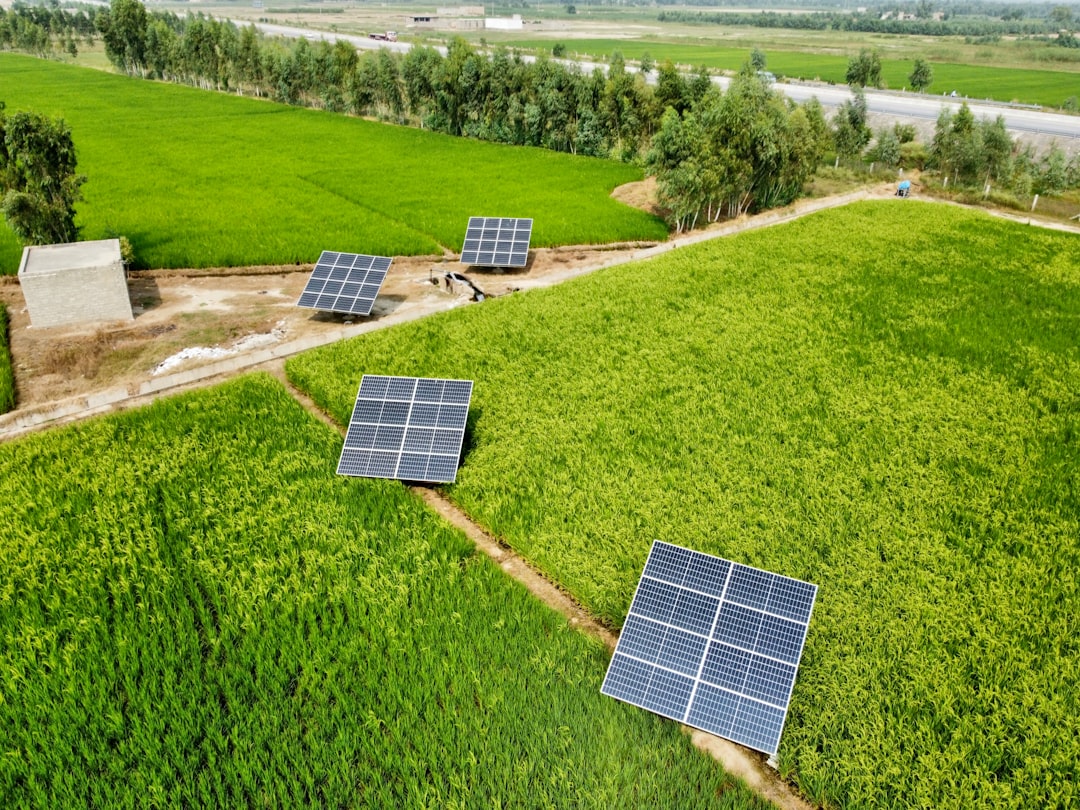
From rooftops in Karachi to small shops in Lahore, Pakistan is experiencing a solar revolution driven not by government policy but by economic desperation.
As electricity prices soared and grid failures became routine, millions of Pakistanis turned to solar panels as their only reliable power source, transforming the country's energy landscape in less than two years.
"Solar isn't a choice anymore - it's survival," Ahmed Hassan, a shopkeeper in Lahore, explained to reporters. His small electronics shop now runs entirely on a rooftop solar system that cost him Rs. 350,000 ($1,225) but saves him Rs. 15,000 monthly on electricity bills.
The economics are brutal and simple. Pakistan's electricity tariffs have increased 155% since 2021, reaching Rs. 50 per unit ($0.17) for many consumers - among the highest rates in South Asia relative to income. Meanwhile, solar panel prices have dropped 40% due to Chinese manufacturing scale and Pakistani rupee devaluation making imports cheaper.
A typical 5-kilowatt home solar system, enough to power most middle-class households, now costs Rs. 500,000 to 700,000 ($1,750-$2,450). That's still 8-10 months of average household income, but financing schemes have emerged. Many families pool savings or borrow from relatives to escape the grid.
"We were getting 8-10 hours of load shedding daily last summer," said Fatima Khan, a Islamabad resident who installed panels in March 2026. "The electricity bill was Rs. 25,000 in peak summer months. Now we pay Rs. 3,000 and have power 24/7. The system will pay for itself in two years."
The scale of adoption is staggering. Industry estimates suggest Pakistan installed 3,000 megawatts of rooftop solar capacity in 2025 alone - more than the country's entire grid added in new generation. That's enough solar to power 1.5 million homes.