
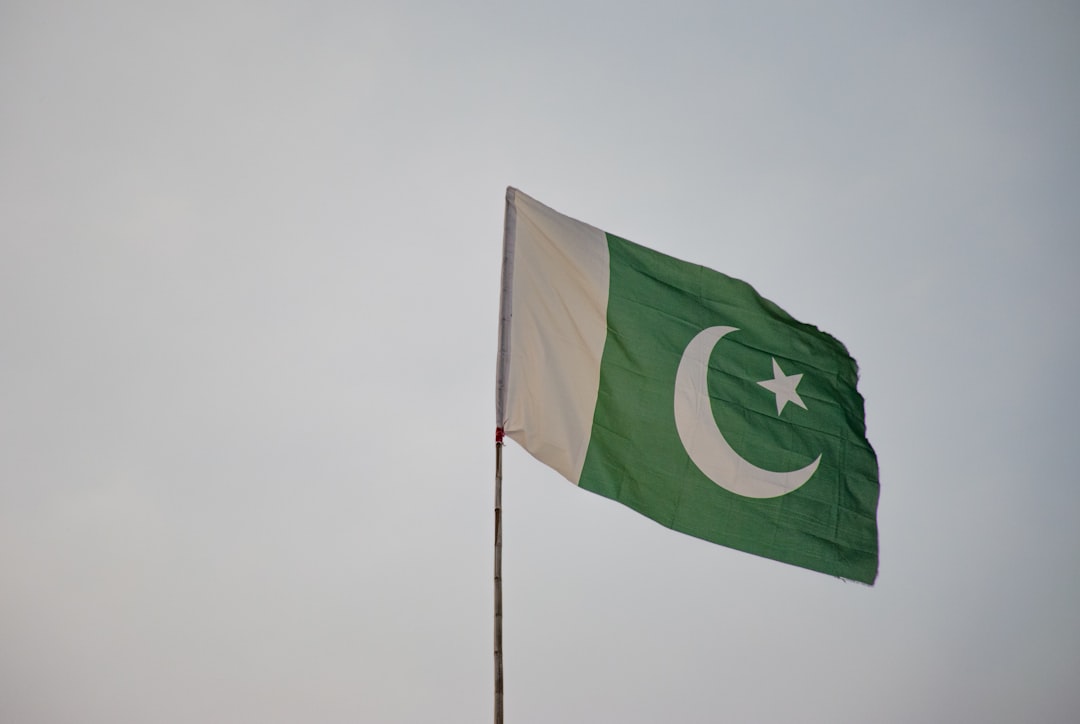
Islamabad has emerged as the unlikely diplomatic powerhouse in the world's most dangerous crisis, with Pakistan taking the lead in mediating peace negotiations between the United States, Israel, and Iran.
The announcement, confirmed by Pakistani officials on March 24, marks a stunning reversal for a nation more often associated with regional instability than international peacemaking. For Pakistan's 240 million citizens, it's a moment of unexpected national pride—and potentially, economic salvation.
From Crisis to Credibility
"I could never in my dreams imagine that we would lead the peace efforts for the biggest crisis the world faces today," wrote one Pakistani citizen on social media, capturing the disbelief rippling through the country. Both President Donald Trump and Iranian officials have publicly acknowledged Pakistan's role, with Trump reposting Pakistani Prime Minister Shehbaz Sharif's statement on the talks.
The mediation comes as Iran and the United States teeter on the brink of full-scale war, with oil prices surging past $111 per barrel and global markets in freefall. Pakistan, strategically positioned between Iran and Afghanistan, shares an 900-kilometer border with Iran and has maintained diplomatic channels with both Tehran and Washington even as relations between the two powers collapsed.
The Stakes for Pakistan
For Pakistan, the diplomatic gambit carries enormous risks and rewards. The country faces its own economic crisis—inflation exceeding 25 percent, foreign reserves barely covering two months of imports, and an $3 billion IMF bailout keeping the government afloat. Success in brokering peace could unlock international goodwill, investment, and legitimacy for a government struggling with political turmoil and former Prime Minister 's imprisonment.