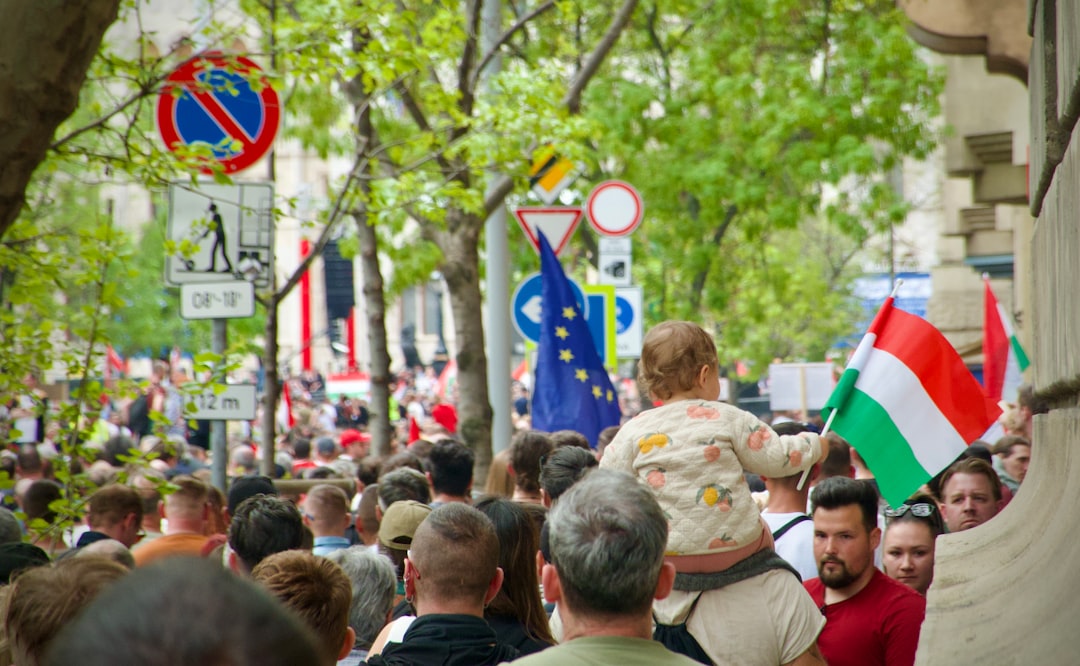
Hungarian Prime Minister Viktor Orbán was met with sustained booing and jeers at a campaign rally in the opposition stronghold of Győr on Wednesday, marking one of the most hostile public receptions the long-serving leader has faced in his 14 years in power.
The incident, captured on video and widely shared on social media, showed Orbán visibly losing his composure as protesters drowned out his speech, eventually lashing out at demonstrators by accusing them of "pushing Ukraine's cart"—a reference to his claim that opposition parties are more loyal to Kyiv than to Hungary.
"These people are not Hungarian patriots," Orbán shouted over the jeers, according to multiple media reports. "They want Hungary to go to war, to sacrifice Hungarian lives for foreign interests."
The confrontation comes as Hungary prepares for parliamentary elections in April, with Orbán's Fidesz party facing its most serious challenge in years from a united opposition coalition. Polls suggest Fidesz maintains a lead, but the margin has narrowed significantly in recent months amid economic difficulties and European Union pressure over democratic backsliding.
To understand today's headlines, we must look at yesterday's decisions. Orbán has systematically consolidated power since 2010, rewriting the constitution, capturing independent media, and restructuring electoral boundaries to favor his party. His government's close ties to Moscow and obstruction of EU support for Ukraine have isolated Hungary within the European bloc.
The Győr incident reflects growing frustration with Orbán's governance. An independent documentary released last week presented evidence of what it described as by Fidesz operatives, including threats to withdraw state benefits from opposition supporters and monitoring of voting behavior through local party networks.