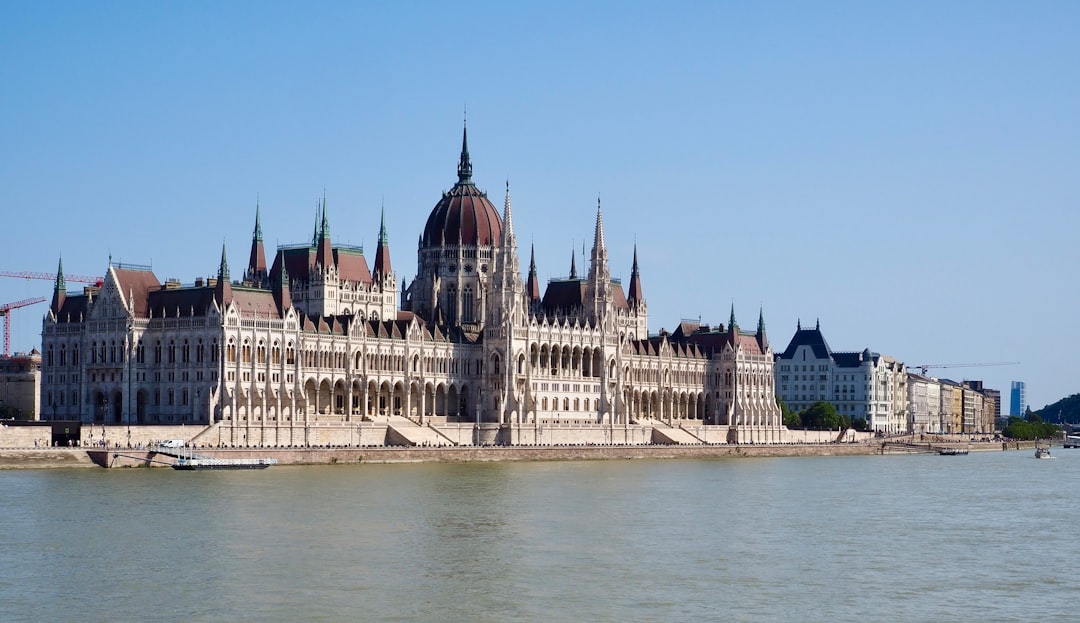
Viktor Orbán's stunning electoral defeat in Hungary has triggered a political earthquake across the border in Romania, where calls are mounting for Kelemen Hunor to resign as leader of the Democratic Alliance of Hungarians in Romania (UDMR).Sorin Ioniță, president of the Expert Forum think tank, issued a scathing assessment on Sunday evening as results from Hungary showed Péter Magyar's opposition Tisza party securing 136 parliamentary seats against just 56 for Orbán's Fidesz-KDNP alliance. "Kelemen Hunor must resign from UDMR leadership and withdraw from politics," Ioniță declared, describing Hunor's "blind support" of Fidesz as his second spectacular failure in less than a year.The first failure, according to Ioniță, was Hunor's role in arranging Crin Antonescu's candidacy in Romania's 2025 presidential election—a move the analyst characterizes as serving "the political-military establishment in Bucharest." Now, with Orbán's unexpected defeat, UDMR finds itself politically exposed, having tied its fortunes to a Hungarian government that Romanian voters increasingly view with suspicion.For Romania's 1.2 million ethnic Hungarians, concentrated primarily in Transylvania, the moment represents more than a leadership crisis—it signals a generational reckoning about their political representation. UDMR has held parliamentary seats continuously since 1990, serving in multiple coalition governments, but the party has long walked a delicate line between loyalty to Budapest and integration into Romanian politics.In Romania, as across Eastern Europe, the transition is not over—it's ongoing. Ioniță's critique goes beyond electoral miscalculation. He argues that Hunor has compromised UDMR through connections to former Prime Minister Victor Ponta and the political apparatus around President Klaus Iohannis, positioning "Transylvanian Hungarians under Orbán's interests" rather than serving their community's genuine needs within Romania.The comparison to UDMR's previous leader, , is pointed. Under Markó's tenure, UDMR maintained a reputation for competent governance and pragmatic coalition-building. Under Hunor, critics say, the party has become destabilized and increasingly viewed as a proxy for Budapest's interests. Mayor moved quickly to congratulate Magyar on his expressing hope to That gesture reflects a broader sentiment among Romanian political figures that Orbán's defeat could reset bilateral dynamics that have been strained by the Hungarian leader's nationalist rhetoric and territorial nostalgia.For ethnic Hungarians in Romania, particularly younger generations who came of age after EU accession in 2007, the question is increasingly urgent: should their political representation be oriented toward or ? Magyar's victory, built on anti-corruption themes and democratic renewal rather than ethnic nationalism, may offer a model for a different kind of Hungarian politics—one less focused on irredentist grievances and more on good governance.Whether Hunor will heed the calls for resignation remains uncertain. But the political calculus has shifted fundamentally. What once seemed like astute alliance-building with a powerful neighbor now looks like a costly bet on a declining autocrat. And in Romania's complex ethnic politics, that miscalculation could reshape Hungarian minority representation for years to come.
|