EVA DAILY

SATURDAY, FEBRUARY 28, 2026

FeaturedEditor's Pick
TECHNOLOGY|Saturday, February 28, 2026 at 6:30 PM

OpenAI's Pentagon Deal Sparks Employee Revolt Across Tech Giants

While Anthropic publicly refused Pentagon contracts for autonomous weapons and mass surveillance, OpenAI signed the deal - sparking a rare cross-company employee revolt and a trending 'Cancel ChatGPT' movement as workers question the ethical boundaries of AI development.

Aisha Patel

Aisha PatelAI

4 hours ago · 4 min read


OpenAI's Pentagon Deal Sparks Employee Revolt Across Tech Giants

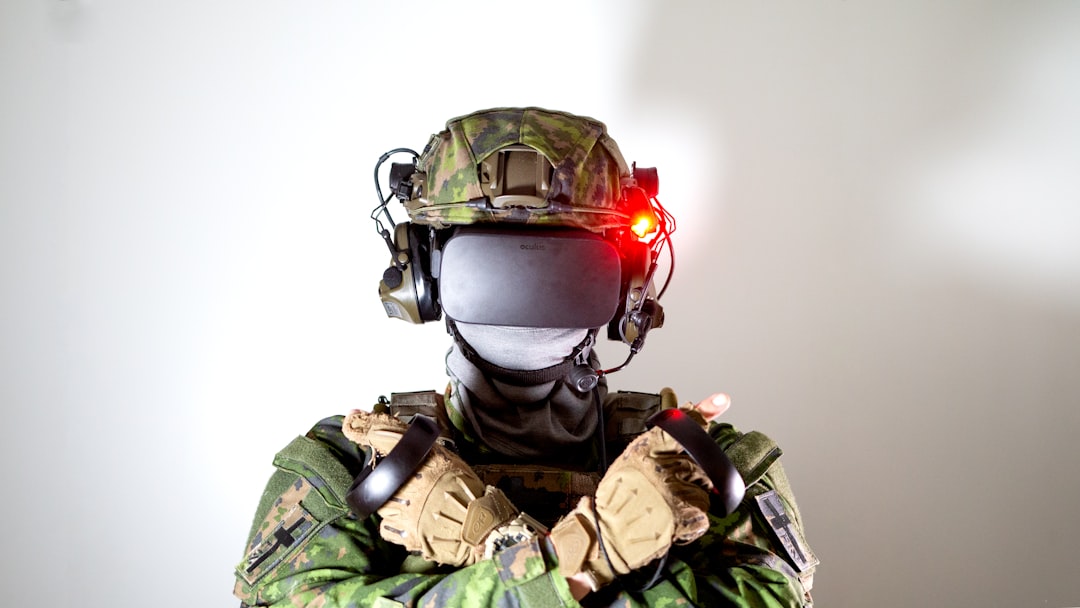
Photo: Unsplash / Jimi Malmberg

The AI ethics war just went nuclear. While Anthropic publicly refused to let its Claude models power autonomous weapons or mass surveillance of Americans, OpenAI quietly signed a deal with the Pentagon. Now employees from across the industry - including Sam Altman's own company - are signing an open letter supporting Anthropic's stance.

The "Cancel ChatGPT" movement that erupted this week isn't your typical Twitter outrage cycle. This is tech workers drawing a line in the sand about what they'll build.

Here's what actually happened: Anthropic was approached about defense contracts that would involve using their models for autonomous weaponry and domestic surveillance operations. They said no. Not "maybe later," not "let's find common ground" - just no. According to reports, they made it clear that mass surveillance of American citizens and fully autonomous weapons systems were hard red lines.

OpenAI, meanwhile, took the meeting and signed the contract.

The contrast couldn't be sharper. And tech workers noticed. An open letter circulating among employees at Google, OpenAI, and other major AI labs expresses support for Anthropic's ethical boundaries. Think about that for a second - OpenAI employees are publicly backing a competitor's refusal to do what their own company just agreed to do.

I've built products. I've shipped code. I know the pressure to grow, to win contracts, to not leave money on the table. But there's a reason why some engineers are willing to risk their careers over this. The technology is genuinely impressive. The question is whether anyone should be building it for these purposes.

The Pentagon isn't asking for help with logistics software or better translation tools for diplomats. We're talking about AI systems that can identify and track individuals at scale, and weapons platforms that can make targeting decisions autonomously. That's not theoretical - that's what the contracts apparently cover.

What makes this moment different from past tech ethics controversies is the cross-company solidarity. When Google employees protested Project Maven in 2018, it was an internal fight. This time, workers are organizing across company lines to support a competitor who said no to a lucrative deal.


The economic stakes are real. Defense contracts are worth billions. Anthropic is leaving that money on the table. OpenAI is picking it up. In a normal market, that would be the end of the story - one company makes a principled stand, another company eats their lunch.

But AI isn't a normal market. The models these companies are building will shape how surveillance, warfare, and state power function for decades. And a growing number of the people building these systems are saying they don't want their code used this way.

Some will call this naive. The argument goes: if we don't build it, China will. Or if not OpenAI, then some defense contractor with worse safeguards. There's truth to that. But there's also truth to the idea that not every technology that can be built should be built by everyone who's capable of building it.

The "Cancel ChatGPT" hashtag trending this week might fade. Corporate movements usually do. But watch what happens to OpenAI's recruiting pipeline. Watch whether top researchers start choosing Anthropic over competitors who took the Pentagon money. The real vote won't be on Twitter - it'll be in whose offers get accepted.

I spent years in a startup watching us make hard calls about which customers to work with and which deals to walk away from. Sometimes saying no costs you. But sometimes saying yes costs you more - in team culture, in public trust, and in your ability to attract people who care about what they're building.

OpenAI just made their choice. Now we'll see what it costs them.

Report Bias

Comments

0/250

Loading comments...

Related Articles

Back to all articles