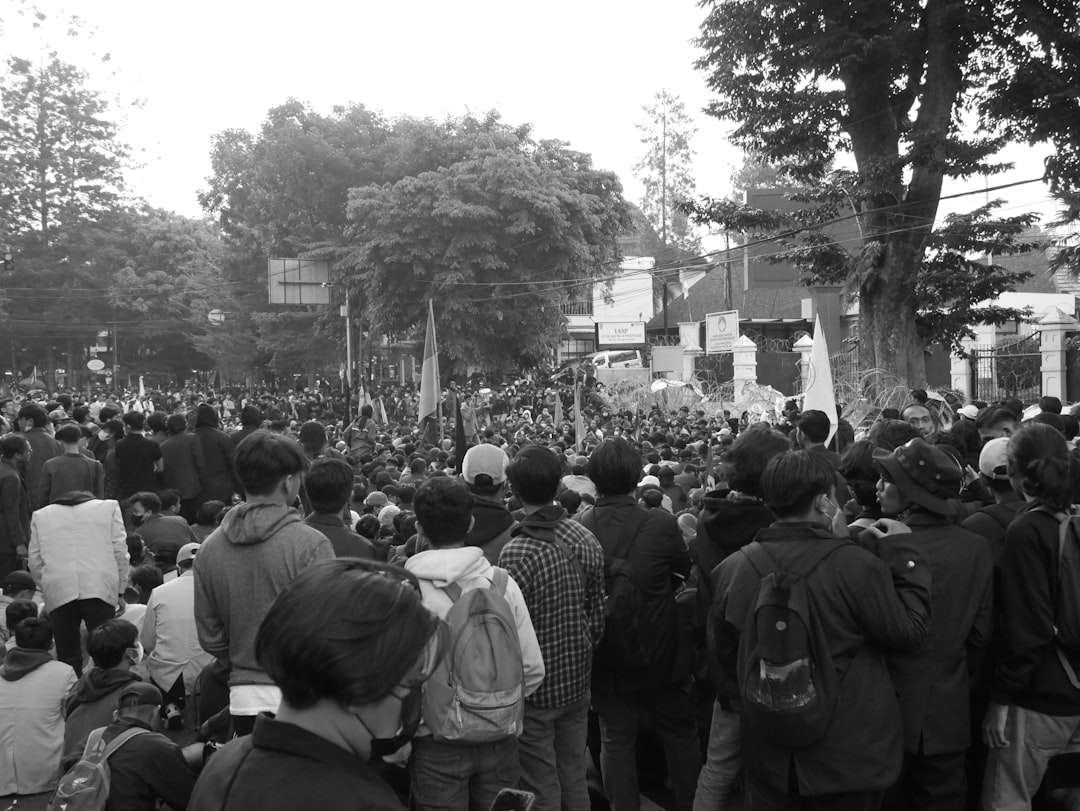
The #QuitGPT protest outside OpenAI's offices wasn't just about one Pentagon contract. It was about what the company has become.
OpenAI started with a mission: develop artificial intelligence that benefits humanity. They structured as a nonprofit specifically to avoid the pressures that push companies toward harm. Then they took Microsoft's money, built the most powerful AI systems in the world, and started signing defense contracts.
The employees protesting aren't naive about dual-use technology. Many of them are the engineers actually building these systems. They understand that the same AI that writes code or summarizes documents can also be used for military applications. What they're protesting is the gap between the company's public mission and its actual behavior.
First-hand accounts from the protest reveal deeper discontent than just the Pentagon deal. Employees describe a company that increasingly prioritizes growth and revenue over the safety commitments it once championed. Leadership that makes decisions behind closed doors and expects engineers to implement them without question.
This is the tension at the heart of frontier AI development. These systems are powerful enough to matter. Companies building them face enormous pressure to monetize, to move fast, to win the race. And the biggest customer in the world is the U.S. military.
OpenAI says defense work is necessary to ensure American AI capabilities don't fall behind. That working with the Pentagon is more responsible than refusing. That they have safeguards and ethics guidelines.
The engineers walking out say that's rationalization. That once you're optimizing for defense contracts, the mission has changed no matter what the website says. That "AI for humanity" and "AI for the Pentagon" are fundamentally different products.
The real question is whether engineers at the frontier of AI development have any leverage to shape how their work gets used. Based on this protest, at least some of them are willing to find out.