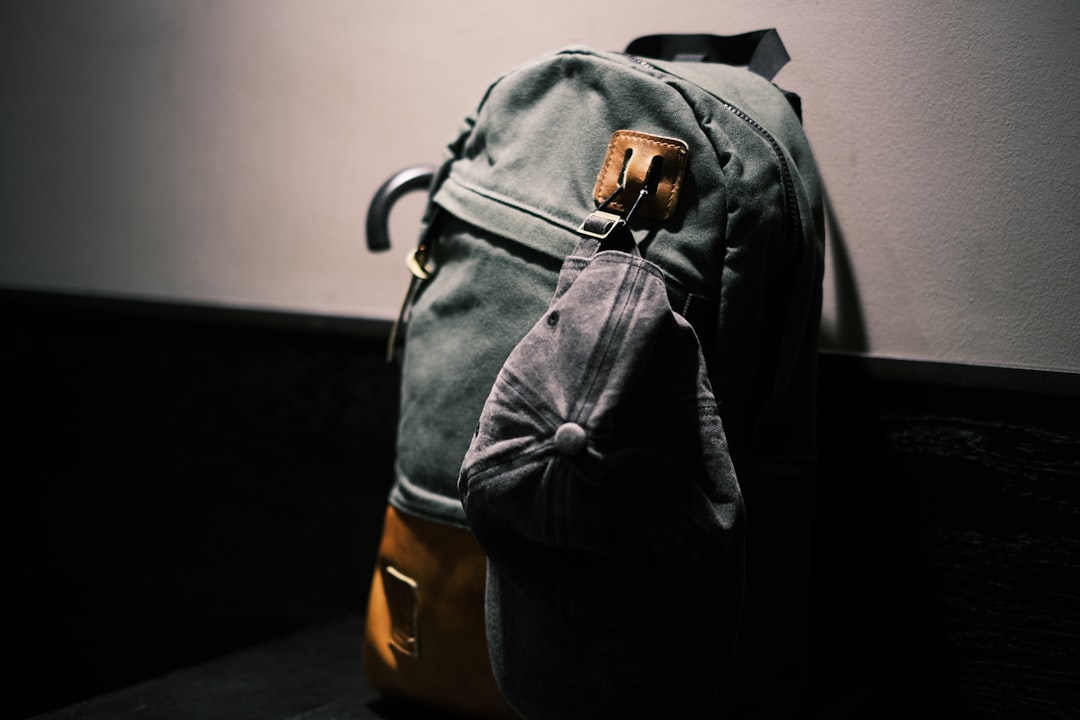
A traveler heading to Japan for ten days with a 16L backpack—roughly the size of a school daypack—plus a 16L packable secondary bag has reignited the eternal onebag debate: is extreme minimalism liberating or just limiting?
The packing list clocked in at just under 6kg, comfortably below ZipAir's 7kg carry-on limit: jeans, collared shirt, socks, shoes, security money belt, and puffy jacket worn on the plane. The 16L primary bag contained the rest, with room left for a packable 16L secondary bag reserved for clothes purchased in Japan.
The traveler noted: "If I weren't buying clothes, I'd have one more shirt, one more pair of drawers, and an extra pair of socks. They'd still fit, tho."
The onebag community split on whether this represents smart packing or self-imposed hardship. Proponents emphasized mobility benefits: never checking bags, moving quickly through stations, fitting into small accommodation spaces, and maintaining constant awareness of belongings. In Japan specifically, where travelers frequently change cities and navigate stairs in older buildings, minimal luggage simplifies logistics considerably.
Skeptics questioned laundry realities. Ten days with essentially three days of clothing means frequent washing—manageable in hostels or Airbnbs with access to machines, more challenging in traditional hotels. Japan's coin laundries are ubiquitous but require time and planning. Hand-washing works for some items but not jeans.
The Japan context adds complexity. April weather ranges from cool mornings to warm afternoons, suggesting layers rather than bulk. But Japan's culture values neat appearance—showing up to nice restaurants or temples in the same worn outfit repeatedly creates self-consciousness some travelers prefer to avoid.
The strategy of planning to buy clothes locally is either brilliant or defeats onebag principles, depending on philosophy. It acknowledges Japan's excellent shopping, supports local economy, and provides souvenirs with utility. It also means carrying a near-empty packable bag outbound and returns with more than you left with—arguably not true onebag methodology.
The 16L size hits diminishing returns where each item cut significantly impacts comfort. Going from 45L to 30L removes excess and forces intentionality. Going from 30L to 16L often means eliminating practical items: proper toiletries, backup shoes, a book, an extra layer, small comforts that make travel sustainable beyond Instagram posts.
Experienced onebagging proponents suggest 20-25L as the sweet spot for week-plus trips: small enough to avoid checking bags and maintain mobility, large enough for reasonable clothing rotation, basic toiletries, and one luxury item that makes travel feel less like an endurance test.
The packing list's puffy jacket choice shows smart thinking—compresses small, provides warmth, doubles as pillow. The security money belt adds peace of mind without bulk. But the missing items raise questions: no rain jacket in April Japan? No comfortable walking-around-the-hotel shoes beyond the daily pair?
For Japan specifically, the equation shifts compared to tropical beach destinations. Tokyo, Kyoto, and Osaka reward looking presentable. Temples, upscale restaurants, and traditional experiences carry subtle dress codes. Showing up to kaiseki dinner in your only collared shirt (potentially wrinkled from being packed) creates different dynamics than beach hopping in Thailand.
The broader lesson: onebag isn't a competitive sport. The goal is travel that aligns with your priorities—whether that's mobility, comfort, style, or social media minimalism cred. A 16L bag works brilliantly for some travelers and some trips. For most people on most trips, it creates unnecessary constraints that detract from the experience.
Pack for the trip you want, not the packing list you want to post.