
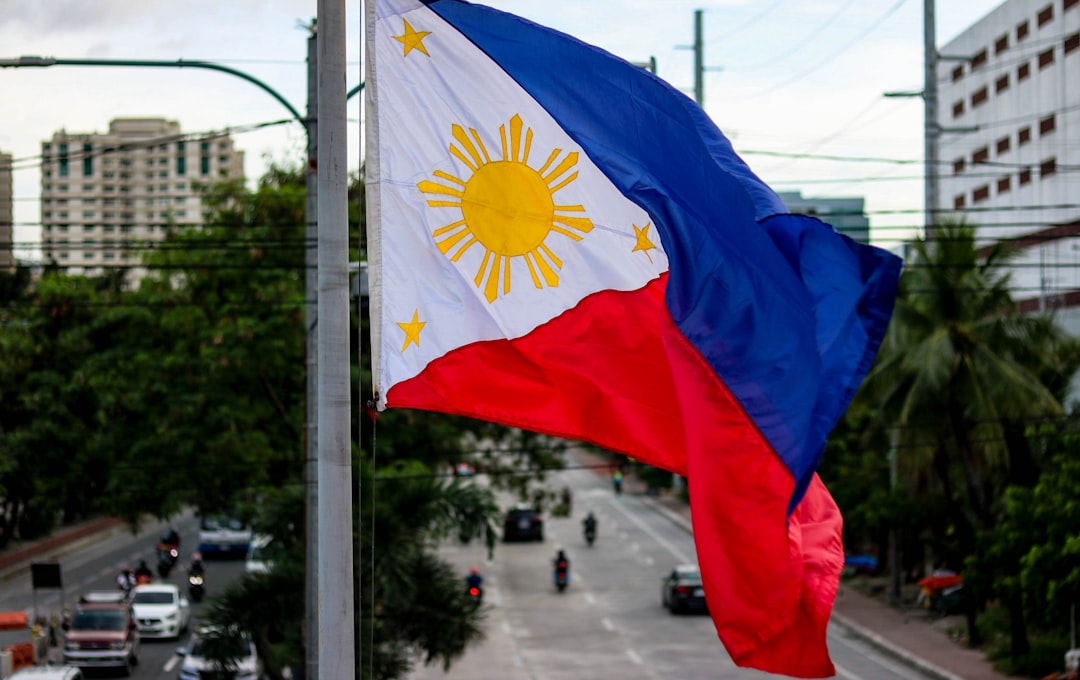
One year ago today, on March 11, 2025, former Philippines President Rodrigo Duterte was arrested and transferred to the International Criminal Court in The Hague, marking a watershed moment for international law in Southeast Asia and fundamentally reshaping the region's calculations about accountability and sovereignty.
The arrest, which followed a day of high drama and tension as Philippine authorities executed an ICC warrant at Duterte's residence in Davao City, made him the first former head of state from Southeast Asia to face international prosecution. He stands accused of crimes against humanity for his administration's drug war, which killed an estimated 12,000 to 30,000 people between 2016 and 2022.
The anniversary has prompted reflection across the region about the precedent Duterte's arrest set. For human rights advocates, it demonstrated that even leaders from countries that never joined the ICC – the Philippines withdrew from the court in 2019 – could eventually face accountability. For governments across ASEAN, it raised uncomfortable questions about sovereignty and the reach of international law.
"This changed the diplomatic calculus for every leader in the region," said Maria Ressa, the Nobel Peace Prize laureate and journalist who documented Duterte's drug war. "It established that there are lines that, once crossed, cannot be uncrossed through political maneuvering or withdrawal from treaties."
The Marcos Jr. administration, which took office in 2022 promising a break from Duterte's confrontational style, ultimately cooperated with the arrest warrant, though only after months of legal battles and intense international pressure. That decision effectively ended the between the and political dynasties.