
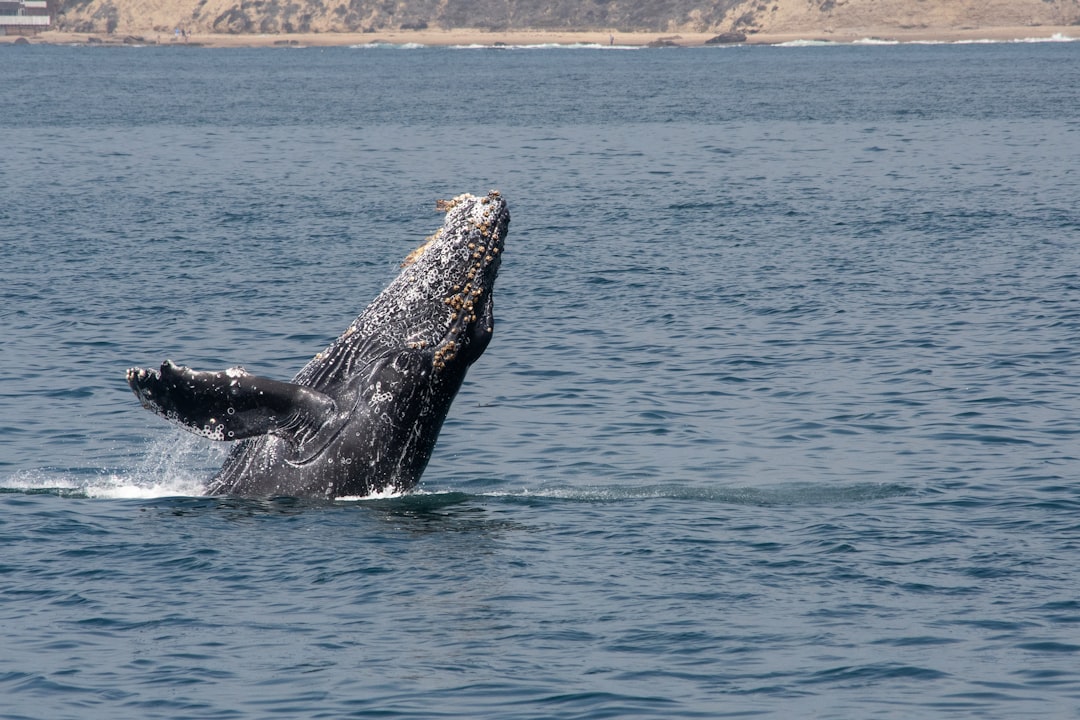
A half-century-old recording of humpback whale songs—rediscovered in archival tapes from the 1970s—has provided scientists with an unprecedented acoustic baseline for understanding how ocean noise pollution has transformed the marine soundscape across generations.
The historic recording, analyzed in new research published by The Guardian, captures humpback vocalizations off the coast of Bermuda in 1971, years before commercial shipping intensified and human-generated ocean noise became the pervasive phenomenon it is today. By comparing these archival sounds to contemporary recordings, researchers have documented how whales have altered their vocal patterns—likely in response to the acoustic assault of propellers, sonar, and industrial activity.
Dr. Michelle Fournet, a marine bioacoustician at Cornell University, explained that whale songs serve complex social functions—from mate attraction to territory establishment to group coordination. The archival recordings reveal that humpbacks once sang at lower frequencies and with more varied patterns than their modern descendants. Today's whales produce louder, higher-pitched calls—adaptations that help their voices carry through the cacophony of human noise but may come at significant energetic and social costs.
The phenomenon, known as the Lombard effect, occurs across species forced to communicate in noisy environments—humans raising voices in crowded rooms, birds singing louder near highways. For whales, whose songs can travel hundreds of miles through quiet oceans, the shift represents a fundamental change in how they experience and navigate their world. It's as if the ocean's acoustic transparency—a feature whales evolved to exploit—has been clouded by industrial fog.
Researchers noted that the 1971 recordings capture not just whale songs but the ambient soundscape of a quieter ocean. The background hiss and natural sounds—breaking waves, shrimp colonies, distant storms—create an acoustic environment markedly different from today's shipping-lane oceans, where low-frequency engine rumbles mask natural cues whales depend on for survival.
The discovery carries implications for conservation policy. Current regulations on ocean noise focus primarily on acute impacts—preventing sonar exercises near breeding grounds or seasonal shipping restrictions in critical habitats. But the archival comparison suggests chronic noise pollution has already fundamentally altered whale communication over mere decades. Effective protection may require not just reducing noise at sensitive times but establishing quieter baseline conditions that allow natural acoustic behaviors to recover.